 By admin
 In our fast-paced world, many individuals experience persistent stress, accumulated bodily tension, and occasional discomfort that can gradually diminish overall well-being. These pervasive sensations often lead to feelings of exhaustion and restlessness, prompting a search for straightforward, natural methods to unwind without complex regimens. Foot reflexology emerges as an ancient, hands-on practice, centering on specific areas of the feet believed to correspond with various parts of the body. It offers a profoundly relaxing pathway to self-care and holistic attention.
Imagine if understanding a simple foot map could empower you to discover new avenues for supporting your complete sense of well-being. Continue reading to delve into the intricacies of the foot reflexology map and explore how this practice is integrated into everyday self-care routines worldwide.
What Exactly Is Foot Reflexology?
Foot reflexology is a complementary health practice with deep roots in ancient healing traditions, notably including principles from Traditional Chinese Medicine and early Egyptian therapeutic methods. Practitioners utilize their thumbs, fingers, or specialized tools to apply gentle yet firm pressure to distinct points on the feet.
The fundamental concept behind this practice posits that these specific points, often referred to as “reflex zones,” are energetically linked to various organs, glands, and intricate systems throughout the body. The stimulation of these zones is believed to foster deep relaxation, alleviate tension, and encourage the body’s innate capacity for balance and self-healing. While the precise physiological mechanisms are still subjects of ongoing scientific exploration, a significant number of people consistently report experiencing profound calmness and increased comfort after reflexology sessions.
Over recent decades, research trends have highlighted a growing interest in this non-invasive approach to wellness. Furthermore, a fascinating aspect of reflexology is that while different charts and interpretations may feature minor variations, the core anatomical layout and the general correspondence of body parts to the feet remain remarkably consistent across most versions, making it a universally recognized system.
Deciphering the Foot Reflexology Map
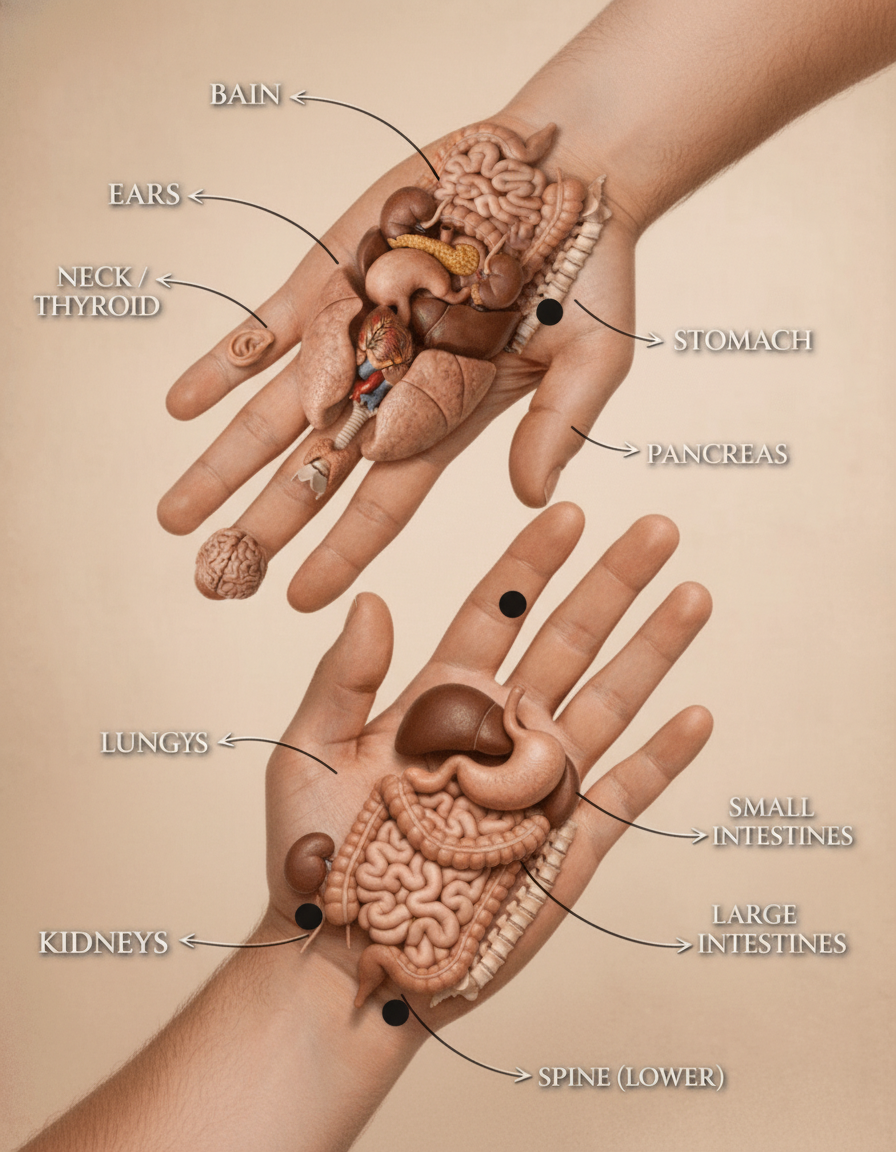
A standard foot reflexology map serves as an intricate blueprint, essentially mirroring the entire human body across the soles, tops, and sides of the feet. Generally, the toes are understood to represent the head and neck region, while the heel typically corresponds to the lower back and pelvic area. Intriguingly, the left foot often reflects the left side of the body, and the right foot mirrors the right side, with certain organs (such as the heart) predominantly mapped to one specific foot.
Here’s a breakdown of some common corresponding reflex zones you’ll find on most foot reflexology maps:
- Toes: These areas are intricately connected to the head, brain, eyes, ears, and sinus passages, making them key points for relieving head-related tension.
- Ball of the Foot: This expansive zone is typically associated with the chest area, including the lungs, heart, shoulders, and the upper back, offering avenues for respiratory and upper body relief.
- Arch of the Foot: Corresponding to the abdominal region, the arch is linked to vital digestive organs such as the stomach, pancreas, liver, and intestines, crucial for digestive harmony.
- Heel: The heel area relates to the lower back, the sciatic nerve, the pelvis, and the reproductive organs, often targeted for relief from lower body discomfort.
- Inner Edge: This section frequently maps to the spinal column, from the neck to the tailbone, offering a pathway to spinal alignment and relaxation.
- Outer Edge: The outer edge is generally linked to the body’s joints, arms, and legs, making it relevant for limb mobility and comfort.
Beyond these primary zones, many detailed charts also pinpoint the thyroid/neck area near the base of the big toe and reflex points for the kidneys/intestines towards the mid-arch. These visual guides are invaluable tools, assisting individuals in accurately locating specific areas during self-massage or professional reflexology sessions.
Experience the Potential Benefits of Foot Reflexology
Many individuals are drawn to foot reflexology primarily for its profound relaxing effects. Extensive anecdotal evidence and various studies suggest that engaging with reflexology can significantly foster a sense of calm, contribute to improved sleep quality, and promote overall relaxation throughout the body. Some research indicates noticeable positive shifts in stress levels and enhanced comfort following sessions, especially when integrated with other holistic wellness practices.
For example, specific studies conducted on post-surgical recovery have observed improved rest and reduced discomfort among participants who received reflexology. However, it’s important to note that the multifaceted benefits often stem from a synergistic combination of focused, therapeutic touch, intentional deep breathing exercises, and the invaluable dedicated “me time” that reflexology sessions provide.
Integrating a Foot Reflexology Map into Your Daily Routine
You don’t need to be a certified expert to begin exploring the advantages of foot reflexology. Here’s a straightforward, step-by-step guide for incorporating basic self-care into your home routine:
- Prepare Your Space: Find a quiet, comfortable spot where you can relax. Remove your socks and any constrictive footwear.
- Warm Up Your Feet: Gently rub your feet together or use a warm, damp towel to prepare the skin and muscles for massage.
- Consult Your Map: Refer to a foot reflexology chart to identify the specific areas you wish to target, based on your current concerns or desired effects.
- Apply Pressure: Using your thumb or fingertips, apply steady, circular pressure to the chosen reflex points. Begin with a light touch and gradually increase the pressure to a comfortable level.
- Mindful Duration: Dedicate approximately 1–2 minutes to each point, remembering to breathe deeply and consciously throughout the process.
- Conclude Gently: Finish your session with light, sweeping strokes across the entire foot to soothe and integrate the experience.
For enhanced results and a deeper sense of well-being, consider focusing on specific key reflex points tailored to common concerns.
Targeted Reflex Points for Common Concerns
Here’s a concise list of popular reflex zones that many people choose to focus on for specific benefits:
- For Head Tension Relief: Gently apply pressure to the tips of your toes, stimulating the reflex points connected to the head and brain.
- For Chest and Respiratory Comfort: Work the ball of the foot using circular motions, targeting areas associated with the lungs and chest.
- For Digestive Support: Focus on the arch area with slow, consistent pressure to stimulate reflex zones linked to the stomach, intestines, and other digestive organs.
- For Back Relaxation: Slide your thumb or fingers along the inner edge of the foot, which corresponds to the entire spinal column, promoting spinal ease.
- For Overall Calmness and Stress Reduction: Massage the solar plexus point, located just below the ball of the foot, to encourage profound relaxation and balance.
Always prioritize your comfort and listen to your body’s signals. If you experience any discomfort or pain, immediately ease up on the pressure or discontinue the massage. Foot reflexology is a gentle practice intended to promote relaxation and well-being.