 By admin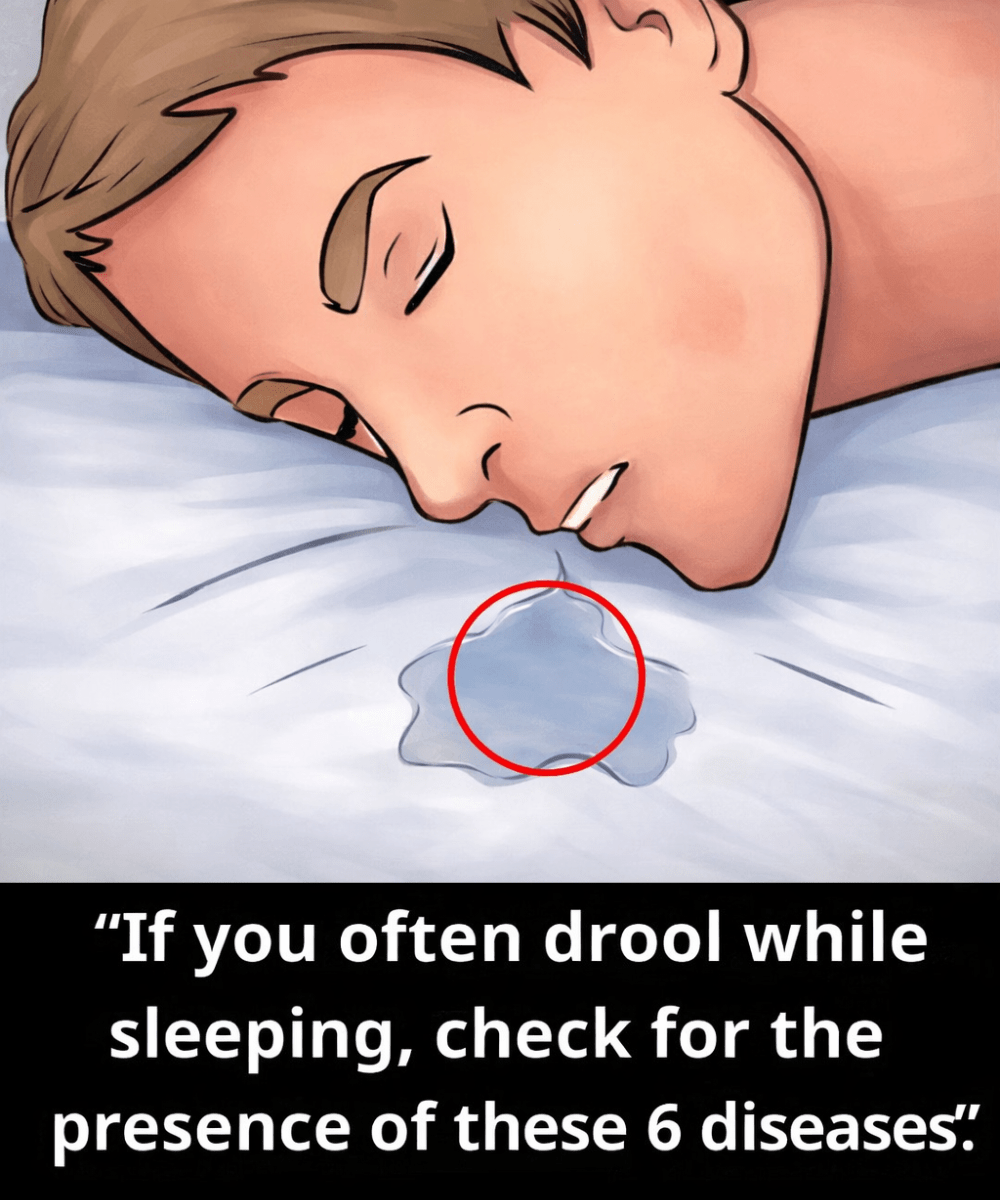
Waking up with a damp pillow feels frustrating and even a little embarrassing. You might worry that it’s a sign something is off with your body, and the constant wet spot can disrupt your morning routine and leave you feeling less rested. The truth is, occasional drooling during sleep is common and usually harmless—but it can also hint at deeper issues affecting your sleep quality or overall well-being. Stick with me, because by the end of this article, you’ll discover practical steps that can help you wake up with a dry pillow and better energy.

The Most Common Reason: Sleeping With Your Mouth Open
The simplest explanation for nighttime drooling is gravity combined with mouth breathing.
When you sleep on your side or stomach, saliva naturally pools and escapes if your mouth is open. This becomes even more likely when nasal congestion forces you to breathe through your mouth—whether from seasonal allergies, a cold, or chronic sinus issues.
Research shows that up to 40% of adults experience some degree of nasal congestion at night, according to studies on sleep-disordered breathing. That congestion blocks airflow through the nose, so your body switches to mouth breathing as a backup. The result? Excess saliva slips out while you’re unconscious and unable to swallow it.
But here’s the good news: many people notice a big improvement simply by changing sleep position.

Medications That Can Trigger Excess Saliva
You might be surprised to learn that certain medications can increase saliva production as a side effect.
Common culprits include:
- Some antibiotics
- Sedatives and sleep aids
- Antipsychotic medications
- Even over-the-counter pain relievers like ibuprofen in higher doses
These drugs can stimulate salivary glands or relax muscles that normally keep saliva contained. If you’ve recently started a new medication and noticed more drooling, it’s worth mentioning to your doctor—they may adjust the dose or suggest an alternative.
Never stop medication on your own, though. Always consult your healthcare provider first.
When Nighttime Drooling Points to a Bigger Issue
In most cases, drooling is benign. But when it happens frequently and comes with other symptoms, it can signal an underlying condition worth investigating.
Sleep Apnea: A Common Culprit
Obstructive sleep apnea (OSA) causes repeated pauses in breathing during sleep, often leading to loud snoring and mouth breathing.
People with untreated sleep apnea frequently drool because their airway collapses, forcing open-mouth breathing. Studies estimate that up to 22% of men and 17% of women may have moderate to severe sleep apnea, many undiagnosed.
Morning fatigue, headaches, and waking up gasping are classic red flags. If you experience these alongside drooling, consider talking to a doctor about a sleep study.
GERD and Acid Reflux
Gastroesophageal reflux disease (GERD) can also trigger excess saliva at night.
When stomach acid flows back into the esophagus, your body produces more saliva as a natural protective response to neutralize the acid. This extra saliva can pool and escape while you sleep.
Common signs include heartburn, a sour taste in the mouth, or throat irritation upon waking.

Nasal and Throat Structural Issues
Conditions like a deviated septum, enlarged tonsils, or chronic sinusitis can block nasal passages year-round, forcing habitual mouth breathing.
Over time, this pattern leads to more drooling and poorer sleep quality. An ear, nose, and throat (ENT) specialist can evaluate whether structural correction might help.
Lesser-Known Causes You Might Not Expect
Some triggers for nighttime drooling are less obvious but still important to recognize.
- Dental or gum problems: Infections or inflammation can increase saliva flow.
- Pregnancy: Hormonal changes sometimes cause excessive salivation (known as ptyalism), especially in the first trimester.
- Nutritional deficiencies: Low levels of certain vitamins, such as B12, have been linked to increased saliva production in some studies.
- Neurological conditions: Rarely, disorders affecting muscle control (like Parkinson’s disease) can contribute.
If drooling started suddenly or feels excessive, a basic check-up can help rule out these factors.

How to Reduce Nighttime Drooling: Practical Steps You Can Take Today
You don’t have to accept wet pillows as inevitable. Here are evidence-based strategies that often make a noticeable difference:
- Switch to back sleeping – Use a supportive pillow that keeps your head slightly elevated and discourages rolling onto your side.
- Clear nasal passages before bed – Try a saline rinse, humidifier, or over-the-counter decongestant (if appropriate for you).
- Avoid heavy meals close to bedtime – Large or greasy dinners can worsen reflux and increase saliva.
- Stay hydrated during the day – Paradoxically, good daytime hydration helps regulate saliva production at night.
- Elevate your head – Sleeping with the head of your bed raised 6–8 inches can reduce both reflux and congestion.
- Consider a mouth guard or mandibular device – These can help keep your jaw slightly forward and airway open, especially if mild apnea or teeth grinding is involved.
For persistent cases, treatments like CPAP machines (for apnea) or Botox injections into salivary glands may be options—discuss these with a specialist.
Frequently Asked Questions
Is it normal to drool while sleeping?
Yes, occasional drooling is completely normal and affects many adults. It only becomes concerning when it’s frequent, excessive, or accompanied by other symptoms.
When should I see a doctor about drooling?
Seek medical advice if drooling occurs alongside loud snoring, daytime fatigue, chronic heartburn, difficulty swallowing, or non-refreshing sleep. These could indicate sleep apnea, GERD, or another treatable condition.
Does sleeping position always cause drooling?
Not always, but side or stomach sleeping significantly increases the likelihood, especially when combined with mouth breathing.
Final Thoughts
Drooling during sleep might feel awkward, but it’s often your body’s way of signaling something simple—like congestion or sleep position—that can be easily addressed. By paying attention and making small adjustments, many people wake up drier, more rested, and with better overall health.
Listen to what your body is telling you. A dry pillow could be the first step toward deeper, more restorative sleep.
Disclaimer: This article is for informational purposes only and is not intended to diagnose or treat any medical condition. Always consult a qualified healthcare professional for personalized medical advice.
(Word count: 1,248)