 By admin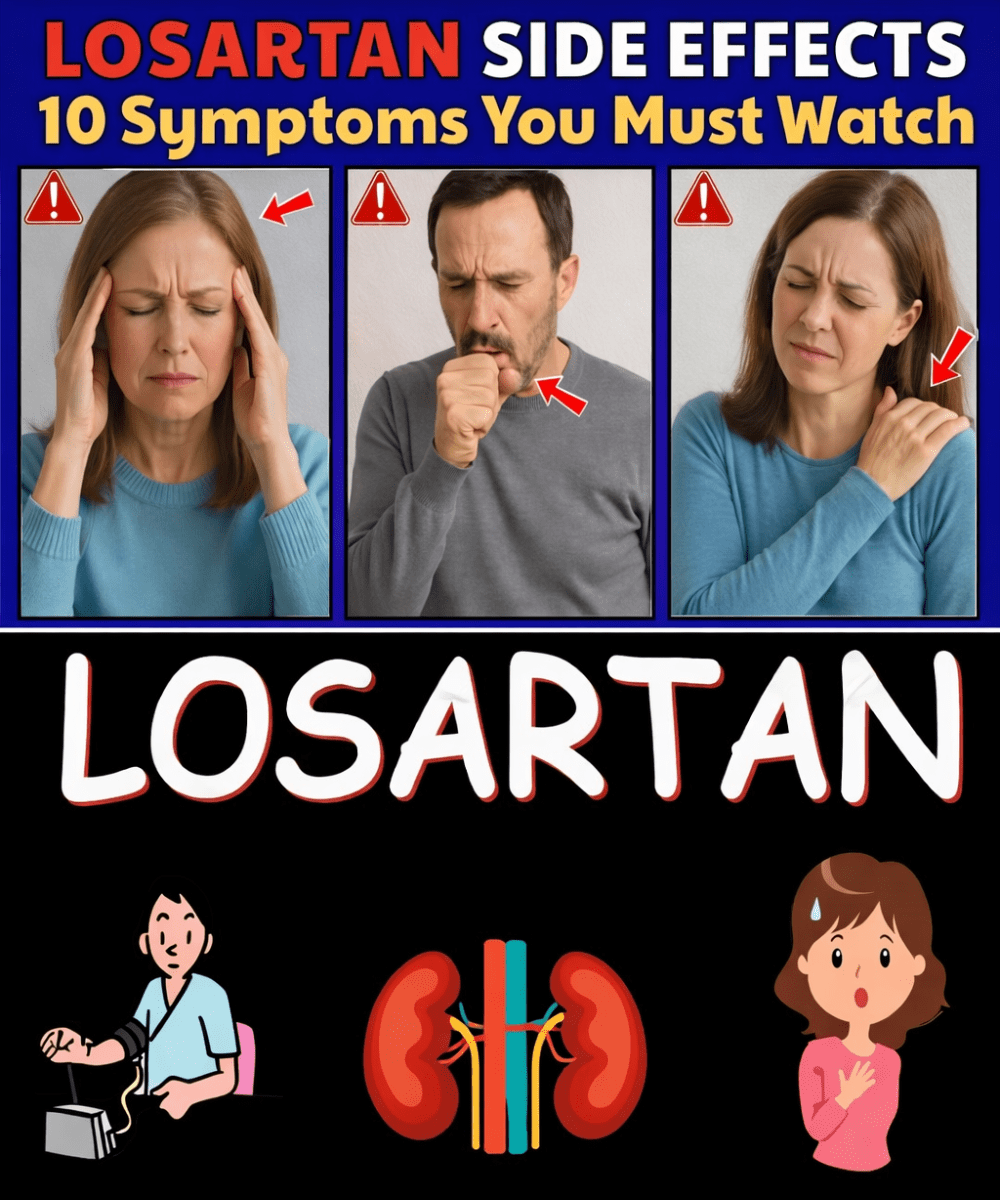
You rely on Losartan every day to keep your high blood pressure under control, trusting it to protect your heart and kidneys without much thought. But for some people, this routine medication brings unexpected changes that start small—like a bit of dizziness or unusual tiredness—yet can quickly signal something more concerning if ignored. These subtle shifts aren’t just random; they could point to your body reacting in ways that need attention, and overlooking them might lead to bigger health challenges down the line.
The good news? Spotting these signs early often makes all the difference, empowering you to talk with your doctor and stay ahead. But that’s not all—keep reading to uncover the full list of potential serious side effects, backed by what medical experts and studies have observed, and discover practical steps that could help you manage them safely.

Why Paying Attention to Losartan Side Effects Matters
Losartan belongs to a class of drugs called angiotensin II receptor blockers (ARBs), which help relax blood vessels to lower blood pressure. Millions use it effectively, but like any medication, it can cause side effects in some people.
Research from sources like the Mayo Clinic and FDA highlights that while most side effects are mild, certain ones can become serious if not addressed. Ignoring them might affect your kidneys, electrolyte balance, or even lead to emergency situations. The key is awareness—many people feel better simply by monitoring and discussing changes with their healthcare provider.
But hold on… some of these effects are rarer than others, yet their impact can be significant. Let’s break them down one by one, starting with some of the more commonly reported concerns.
The 13 Serious Side Effects of Losartan You Should Watch For
Medical guidelines and studies note these potential reactions. They’re not common for everyone, but knowing them helps you stay proactive.
13. Dizziness and Lightheadedness
That sudden woozy feeling when you stand up can catch you off guard, almost like the room is spinning briefly. Many users report this, often because Losartan lowers blood pressure effectively—sometimes a bit too much.
Studies show this is one of the most frequent complaints, especially early on. It might increase fall risks, particularly in older adults. If it persists, it could signal your dose needs adjustment.
12. Fatigue and Unusual Tiredness
Feeling drained even after a good night’s sleep? This unexplained exhaustion can creep in, making daily tasks feel harder.
Evidence links it to how Losartan affects blood flow and electrolytes in some cases. You might brush it off as stress, but tracking it could reveal patterns worth discussing.

11. Muscle Weakness or Cramps
Your legs feeling unusually heavy or cramping more than usual? This can stem from shifts in potassium levels, as Losartan influences how your body handles this mineral.
Research indicates muscle issues in a subset of users, potentially tied to electrolyte changes.
10. Nasal Congestion or Upper Respiratory Issues
A stuffy nose or frequent colds that linger longer than expected—these are among the commonly noted effects in clinical trials.
While often mild, they can feel frustrating and disrupt your routine.
9. Back Pain
That nagging ache in your lower back might not seem related at first, but it’s reported by some on Losartan.
Studies list it as a possible side effect, though it usually resolves or becomes manageable.
8. Persistent Headache
Headaches that don’t quite go away with your usual remedies can be bothersome.
This is seen in some users, potentially as your body adjusts to changed blood pressure.
7. Stomach Upset or Nausea
Queasiness after taking your dose, or general digestive discomfort—these gastrointestinal tweaks happen for some.
Medical sources note they often improve over time but warrant mention if ongoing.
6. Changes in Kidney Function
A subtle shift, like less urine output or swelling in your legs, could hint at kidney strain.
Losartan actually protects kidneys in many with diabetes or hypertension, but in vulnerable people (like those with existing issues), studies show it can sometimes worsen function. Regular checks catch this early.
5. Swelling (Angioedema)
Sudden puffiness in your face, lips, throat, or limbs—this rare but serious reaction needs immediate attention, as it can affect breathing.
Reports tie it to ARBs like Losartan, though it’s uncommon. Seek emergency care if it occurs.

4. Severely Low Blood Pressure (Hypotension)
A dramatic drop causing fainting or severe dizziness, especially when standing.
This can happen if dehydrated or on other meds, per expert insights.
3. Irregular Heartbeat or Chest Pain
Feeling your heart skip beats or a tightness in your chest—always take this seriously to rule out issues.
Though rare, electrolyte shifts might contribute.
2. High Potassium Levels (Hyperkalemia)
Symptoms like weakness, tingling, or heart rhythm changes—Losartan can raise potassium, risking complications.
Blood tests monitor this, especially if you have kidney concerns or take certain supplements.
1. Risks During Pregnancy (Fetal Toxicity)
The most critical warning: Losartan carries an FDA black box warning for pregnancy. It can cause serious harm or even death to an unborn baby, especially in the second or third trimester.
If pregnant or planning, discuss alternatives immediately—discontinue as soon as pregnancy is detected.
There you have it—the countdown reveals why vigilance matters. But here’s the encouraging part: most people tolerate Losartan well, and serious effects are less common.
Common vs. Serious Side Effects: A Quick Comparison
To make it clearer, here’s a table breaking down the differences based on frequency and management from reliable sources like Drugs.com and Mayo Clinic:
| Aspect | Common Side Effects | Serious Side Effects |
|---|---|---|
| Frequency | Affect 1-10% of users (e.g., dizziness, nasal congestion) | Rare, but can impact health significantly |
| Examples | Headache, fatigue, back pain | High potassium, kidney changes, angioedema, low blood pressure |
| Management | Often improve on their own or with simple adjustments | Require prompt medical attention or monitoring |
| Impact | Usually temporary discomfort | Potential for longer-term issues if ignored |
This highlights why distinguishing them helps you respond appropriately.
Safe Steps to Monitor Losartan Side Effects
You don’t have to worry excessively—here are actionable tips to stay on top of things:
- Track your symptoms daily in a simple journal → note any new dizziness, swelling, or tiredness.
- Get regular blood tests → as your doctor recommends, to check potassium and kidney function.
- Stay hydrated and eat balanced meals → avoid high-potassium foods or salt substitutes unless advised.
- Measure your blood pressure at home → weekly, to spot unusual drops.
- Avoid NSAIDs (like ibuprofen) without guidance → they can interact and strain kidneys.
These habits, supported by studies on safe ARB use, can help catch issues early.
Real-Life Insights and When to Act
Many users share stories of noticing a side effect, talking to their doctor, and feeling better with tweaks—like a dose change or added monitoring. Preparation like this turns potential worries into manageable ones.
If you experience severe symptoms (e.g., swelling affecting breathing, chest pain, or fainting), seek emergency help right away. For milder but persistent ones, schedule a provider visit soon.
Frequently Asked Questions (FAQ)
How long do Losartan side effects typically last?
Many common ones, like dizziness, improve within a few weeks as your body adjusts. Persistent or worsening symptoms deserve a doctor’s check.
Can I stop taking Losartan if I notice side effects?
No—never stop abruptly without guidance, as it could spike your blood pressure. Discuss alternatives with your healthcare provider.
Is Losartan safe for long-term use?
For most, yes, with monitoring. Studies show benefits outweigh risks for many managing hypertension or kidney protection.
Final Thoughts: Take Control of Your Health
Awareness of these 13 potential serious side effects— from dizziness to the critical pregnancy risks—empowers you to use Losartan confidently while staying safe. By monitoring and communicating openly with your doctor, you can minimize risks and maximize benefits.
You’re already taking a positive step by reading this—now, consider sharing any concerns at your next appointment.
This article is for informational purposes only and is not a substitute for professional medical advice. Always consult your healthcare provider for personalized guidance, especially if you experience any symptoms or have concerns about your medication.
(Word count: approximately 1,350)