 By admin
 Optimizing Your Plate: Essential Proteins for Kidney Health and Those to Moderate
Our kidneys are silent, hardworking organs, often overlooked until subtle signs emerge – perhaps persistent fatigue or changes in urinary patterns. These indicators can signal that your kidneys are under strain, especially if your daily diet includes habits that unknowingly add stress over time. It can be frustrating to realize that seemingly simple choices, like your protein sources, might be contributing to discomfort without your awareness. However, there’s good news: gaining a clear understanding of which proteins actively support kidney function and which might contribute to unnecessary workload empowers you to make small yet impactful dietary adjustments for enhanced well-being.
The Intricate Link Between Protein and Kidney Function
Proteins are fundamental macronutrients, serving as essential building blocks for countless bodily functions, from muscle repair to immune system support. Yet, when it comes to kidney health, the type and quantity of protein consumed are critical. Your kidneys play a vital role in filtering waste products from your blood, including the nitrogenous byproducts generated during protein metabolism. An imbalanced protein intake can overwhelm these crucial organs.
Reputable organizations like the National Kidney Foundation consistently emphasize that a balanced protein intake is key to supporting overall health without overtaxing the kidneys. For instance, numerous studies indicate that individuals consuming moderate protein levels tend to exhibit better kidney function. Furthermore, the *source* of your protein significantly impacts how your kidneys process it. Animal-derived proteins, frequently found in red meats, can produce a higher acidic load that the kidneys must work harder to neutralize and excrete.
Powering Your Kidneys: Proteins That Promote Wellness
Let’s explore the protein sources that research suggests are gentler on your kidneys and actively contribute to their health. Plant-based options often stand out in this category, primarily due to their accompanying fiber, antioxidants, and beneficial nutrients that aid digestion and minimize waste accumulation.
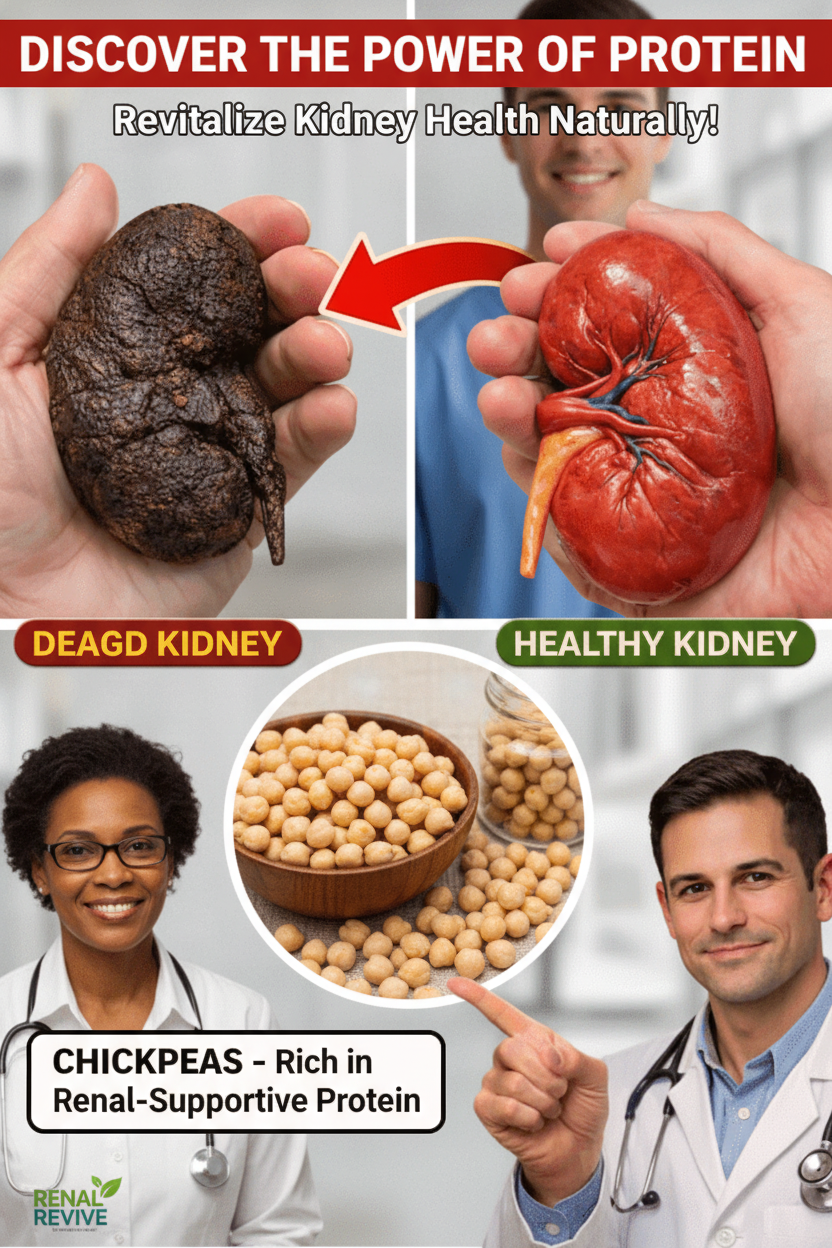
- Chickpeas (Garbanzo Beans): A true nutritional powerhouse, chickpeas deliver approximately 7 grams of protein per half-cup serving, alongside vital minerals like potassium and magnesium, which are crucial for maintaining fluid balance. Studies, including those published in the *Journal of Renal Nutrition*, consistently link plant proteins, such as those found in chickpeas, to a lower risk of kidney strain compared to animal sources. Their versatility is another advantage – enjoy them roasted as a snack, blended into hummus, or added to salads and stews.
- Lentils: Another legume champion, lentils provide a wealth of protein and dietary fiber. This high fiber content is beneficial for managing blood sugar levels, which indirectly supports kidney health by reducing the risk of complications associated with metabolic imbalances.
Incorporating a variety of plant-based proteins into your diet can offer a broad spectrum of benefits for your kidneys and overall health.
Proteins to Approach with Caution for Kidney Care
Conversely, certain protein sources, when consumed in large quantities regularly, can demand more intensive work from your kidneys. Understanding these can help you make more informed dietary choices.
- Red and Processed Meats: Red meats, such as beef and pork, contain specific compounds that can elevate the body’s acid load. According to research cited in the *American Journal of Kidney Diseases*, excessive intake of these proteins has been associated with higher urinary acid excretion, which may pose a challenge to kidney function for some individuals over time. Processed meats, including bacon, sausages, and deli meats, present an additional concern due to their typically high sodium content and various preservatives, which can lead to fluid retention and place extra pressure on the kidneys.
- Dairy Proteins: Proteins derived from dairy products like cheese and milk are generally fine in moderation. However, for individuals sensitive to lactose or those who consume large amounts, dairy might contribute to inflammation. The key principle here is balance and mindful portion control, rather than complete elimination for most people.
Integrating Kidney-Friendly Proteins into Your Daily Diet
Making smarter protein choices for your kidneys doesn’t have to be complicated or overwhelming. Start by gradually incorporating more plant-based options into your meals throughout the week. Here’s a simple, step-by-step guide to help you begin:
- Assess Your Current Intake: For one week, track your protein sources using a food app or a simple journal. This exercise helps you identify patterns, such as an over-reliance on red meat or processed foods.
- Embrace Plant-Based Diversity: Actively seek to add legumes like chickpeas, lentils, beans, or tofu to your salads, soups, and main dishes. Aim for at least two plant-based meals per day to start.
- Practice Portion Control: When consuming animal proteins, keep servings to approximately 3-4 ounces, which is roughly the size of a deck of cards. This helps manage the workload on your kidneys.
- Prioritize Hydration: Adequate water intake is crucial. Water assists your kidneys in efficiently flushing out metabolic waste products, so ensure you pair your protein-rich meals with plenty of fluids.
This balanced and diverse approach to protein consumption, as supported by insights from publications like *Harvard Health Publishing*, contributes significantly to long-term kidney wellness and overall health. By consciously choosing proteins that nurture rather than challenge your kidneys, you’re making a profound investment in a healthier, more vibrant future. Start making these small, impactful changes today!