 By admin
 The Silent Decline: Understanding Sarcopenia and Practical Strategies to Preserve Muscle Strength as You Age
As we navigate the journey of life, many changes occur within our bodies. One significant, yet often underestimated, transformation is sarcopenia – the gradual and progressive loss of skeletal muscle mass, strength, and overall function. While a natural component of the aging process, its acceleration typically begins around age 60, profoundly impacting an individual’s quality of life.
This age-related muscle decline isn’t merely about losing physical prowess; it critically impairs mobility, compromises balance, and erodes independence. Consequently, it elevates the risk of serious health concerns such as falls, increases susceptibility to frailty, and contributes to metabolic complications. Globally, sarcopenia affects a substantial portion of the elderly population, with prevalence rates estimated between 10-16% in older adults, soaring to 30-50% among those over 80 (though figures can vary based on diagnostic criteria and demographics).
While the complete reversal of sarcopenia remains a challenge, compelling evidence from extensive research (including studies published in journals like Physiological Reviews and insights from Harvard Health) consistently highlights that consistent, proactive habits can dramatically slow its progression and effectively preserve vital muscle strength. The most impactful strategies revolve around a combination of targeted resistance training and sufficient protein intake.
Understanding the Mechanisms Behind Age-Related Muscle Loss
The intricate process of muscle degradation with age, specifically sarcopenia, stems from a confluence of interconnected biological and lifestyle factors. These key mechanisms collectively contribute to the progressive decline in muscle mass and function:
- Diminished Muscle Protein Synthesis: As we age, our muscles become less responsive to anabolic stimuli, such as protein intake and exercise. This “anabolic resistance” means the body struggles to repair and build new muscle tissue as efficiently as it once did.
- Neuromuscular Junction Degeneration: A critical factor is the gradual loss or denervation of motor neurons – the nerve cells that transmit signals from the brain to the muscles. Fewer nerve signals lead to muscle fiber atrophy and reduced control.
- Hormonal Fluctuations: Significant shifts in hormone levels play a role. A decrease in vital hormones like testosterone, growth hormone, and insulin-like growth factor 1 (IGF-1) directly impacts muscle maintenance and growth.
- Chronic Inflammation and Oxidative Stress: The body experiences a persistent, low-grade inflammatory state often termed “inflammaging.” This chronic inflammation, coupled with increased oxidative stress, generates free radicals that damage muscle cells and impair their ability to function.
- Mitochondrial Dysfunction: Mitochondria, the “powerhouses” of our cells, become less efficient with age. This decline in cellular energy production directly compromises muscle performance and overall vitality.
- Sedentary Lifestyle and Inactivity: A lack of regular physical activity is a major accelerator of muscle loss. Muscles that aren’t consistently challenged will naturally weaken and atrophy over time.
- Suboptimal Nutritional Intake: Insufficient consumption of essential nutrients, particularly protein and certain vitamins (like Vitamin D), deprives muscles of the building blocks and cofactors needed for repair and growth.
While this process subtly begins around the age of 30, with an estimated 3-8% muscle mass loss per decade, it dramatically accelerates once individuals reach their 60s and 70s.
Empowering Habits: Strategies to Preserve Muscle Strength and Combat Sarcopenia
While the biological clock cannot be stopped, its effects on muscle health can be significantly mitigated through consistent, proactive lifestyle choices. The most robust scientific evidence consistently points to a synergistic approach: combining regular resistance training with a diet rich in protein. Beyond these core pillars, several other daily habits offer crucial support in the fight against age-related muscle loss.
1. Prioritize Resistance Training (The Cornerstone of Muscle Preservation)
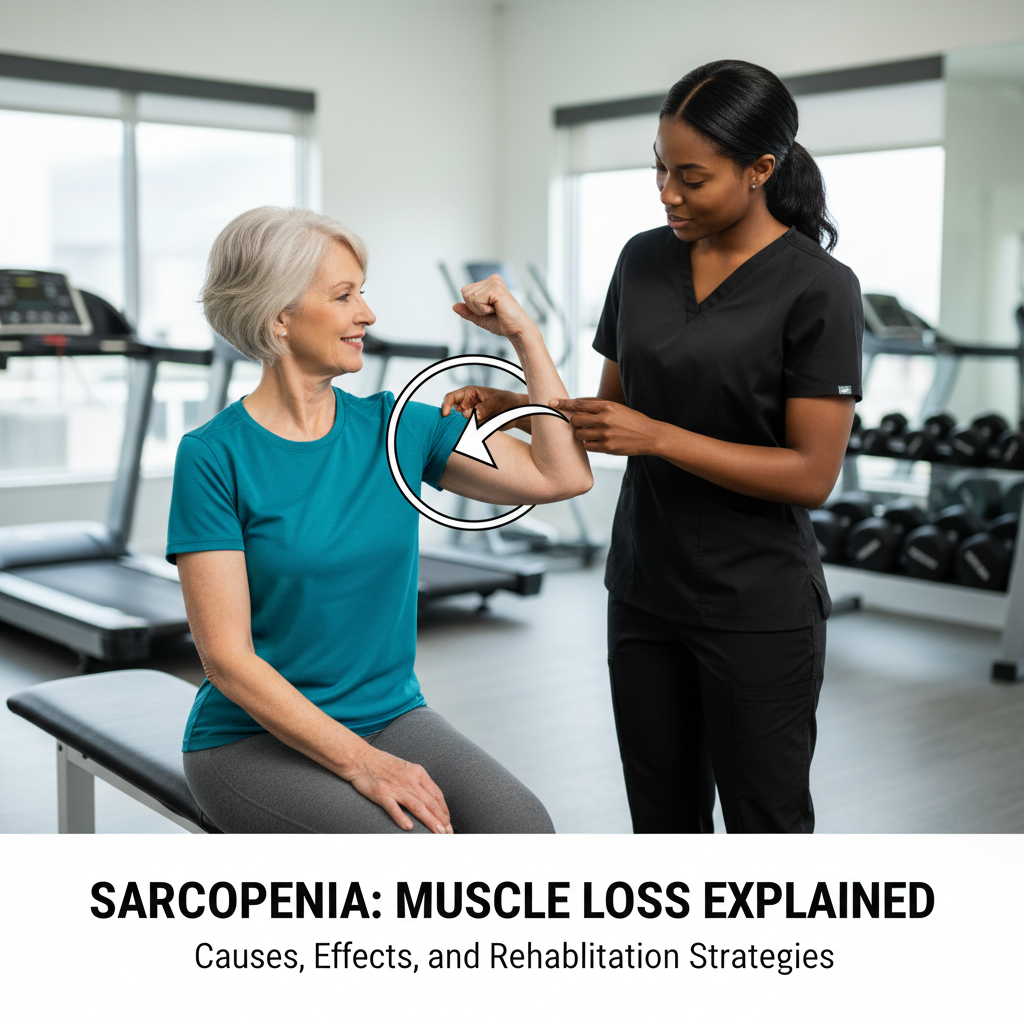
Considered the single most effective intervention, strength training directly challenges muscles, prompting them to grow stronger and larger. Engaging in 2-3 sessions per week, incorporating activities like lifting weights, using resistance bands, or performing bodyweight exercises (e.g., squats, lunges, push-ups), has been shown to not only halt but often reverse muscle loss, even in individuals well into their 80s. Start with light resistance and gradually increase intensity as strength improves.
2. Ensure Ample Protein Intake
Protein is the fundamental building block of muscle. To effectively counteract sarcopenia, experts recommend consuming approximately 1.2-1.6 grams of protein per kilogram of body weight daily, ideally spread across all meals. Higher protein consumption is directly linked to better muscle mass preservation, with the amino acid leucine being particularly vital for muscle protein synthesis. Excellent sources include lean meats, fish, eggs, dairy products, legumes, and nuts.
3. Embrace Daily Physical Activity and Walking
Beyond structured workouts, incorporating at least 30 minutes of moderate-intensity activity, such as brisk walking, into your daily routine is invaluable. Regular movement helps maintain overall physical function, improves circulation, and provides a foundational level of activity that slows muscle atrophy.
4. Optimize Vitamin D Levels
Vitamin D plays a crucial role in muscle function and strength, yet deficiency is remarkably common, especially in older adults. Spending time in sunlight aids natural vitamin D production, but supplementation is often necessary if levels are low. Consult a healthcare professional to check your levels and determine appropriate supplementation.
5. Manage Stress and Prioritize Quality Sleep
Chronic stress elevates cortisol levels, a hormone that can contribute to muscle breakdown. Aim for 7-9 hours of quality sleep per night, as this is when the body undertakes crucial repair and recovery processes. Effective stress management techniques also support overall physiological balance.
6. Stay Adequately Hydrated
Water is essential for countless bodily functions, including optimal muscle performance and nutrient transport. Ensuring consistent hydration throughout the day supports muscle health and overall vitality.
7. Maintain a Balanced, Nutrient-Rich Diet
Beyond protein, a diet rich in diverse fruits, vegetables, and whole grains provides essential vitamins, minerals, and antioxidants. Antioxidants, found abundantly in berries and leafy greens, help combat inflammation and oxidative stress, protecting muscle tissue from damage.
Conclusion: Take Proactive Steps to Safeguard Your Muscle Health
The journey of age-related muscle loss, or sarcopenia, is a complex one, beginning subtly in early adulthood and gaining significant momentum after the age of 60. It’s driven by a combination of inherent biological changes and the pervasive impact of inactivity. However, the message is clear and empowering: you possess the ability to significantly influence this trajectory.
By consistently integrating evidence-backed strategies – particularly regular resistance training and a robust protein-rich diet – you can effectively counteract muscle decline, preserve vital strength, and maintain your independence and quality of life for years to come. Don’t wait; the best time to start investing in your muscle health is today.
Always remember to consult with a healthcare professional or a certified fitness expert before beginning any new exercise regimen or making significant dietary changes, especially if you have underlying health conditions. They can help tailor a personalized plan that is safe and effective for your individual needs.
Disclaimer: This article is intended for informational purposes only and does not constitute medical advice. Always consult with a qualified healthcare provider for any health concerns or before making any decisions related to your health or treatment. Individual results may vary.