 By admin
 Uterine Health Matters: 12 Critical Warning Signs You Shouldn’t Ignore
Central to women’s reproductive well-being, the uterus performs vital functions from regulating menstrual cycles to supporting pregnancy. However, various conditions, including common issues like uterine fibroids, polyps, endometriosis, adenomyosis, or more serious concerns such as endometrial cancer, can manifest symptoms. These crucial indicators are unfortunately often misattributed to typical menstrual discomfort, hormonal fluctuations, or the natural aging process. While many uterine conditions are benign, any persistent or concerning signs—particularly for women over 40 or those in post-menopause—mandate timely medical assessment.
Important Note: It’s crucial to understand that these symptoms can stem from numerous factors, including hormonal imbalances, infections, or other health issues. This article is for informational purposes only; self-diagnosis is not recommended. Always consult a qualified gynecologist for a comprehensive evaluation, which may involve diagnostic tests such as ultrasound or biopsy. Drawing insights from reputable sources like the Mayo Clinic, Cleveland Clinic, and ACOG, we present 12 frequently overlooked indicators that may signal underlying uterine health concerns.
Recognizing the Signs: 12 Key Indicators of Uterine Concerns
1. Abnormal Vaginal Bleeding
Any deviation from your usual menstrual pattern warrants attention. This includes unusually heavy or prolonged periods (menorrhagia), bleeding or spotting between menstrual cycles (intermenstrual bleeding), or any vaginal bleeding occurring after menopause. These irregularities can be significant indicators of various uterine or hormonal issues.
2. Persistent Pelvic Pain or Pressure
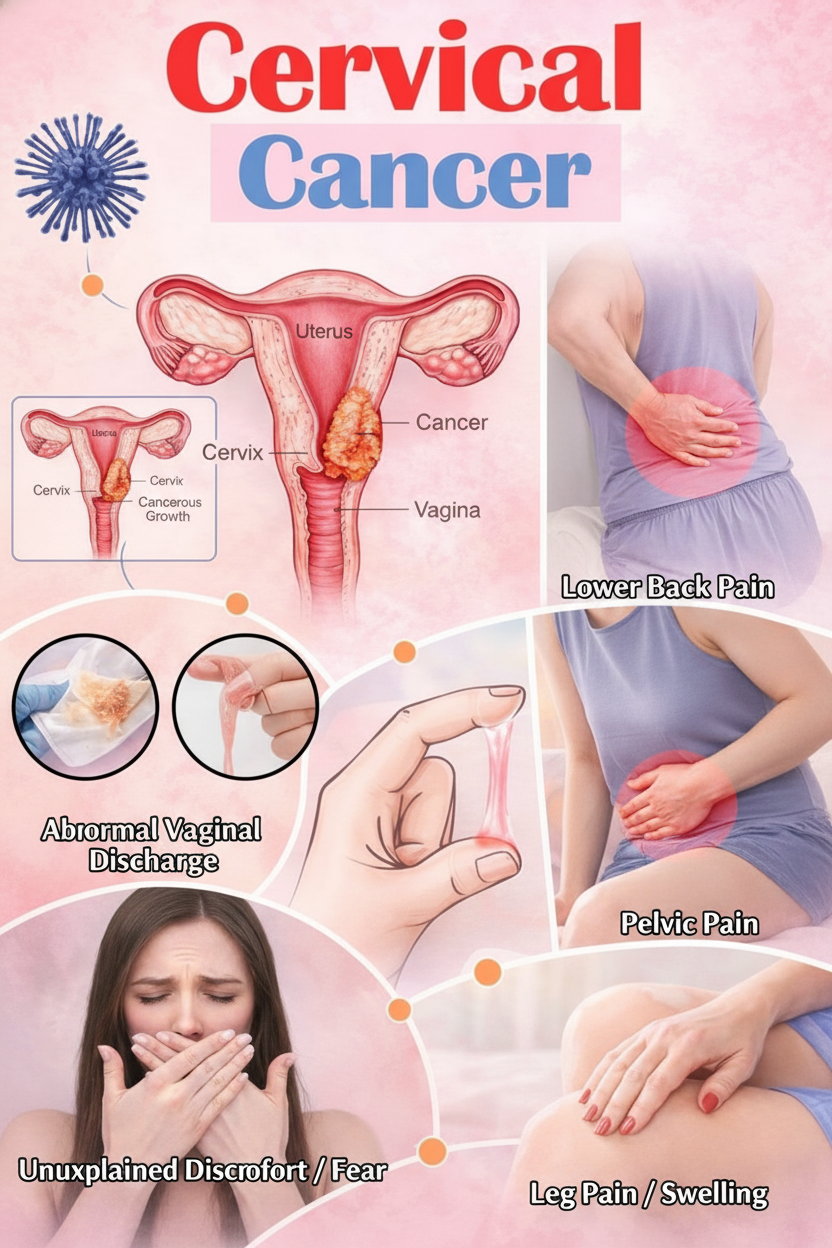
Experiencing chronic discomfort in the lower abdomen, a constant feeling of pelvic heaviness or fullness, or pain during sexual intercourse (dyspareunia) should not be dismissed. This type of persistent pelvic sensation can signal conditions affecting the uterus or surrounding organs.
3. Unexplained Bloating or Abdominal Swelling
If you notice a persistent feeling of abdominal fullness, distension, or a visible enlargement of your abdomen that isn’t related to diet or typical digestive issues, it could be a sign of uterine enlargement or other gynecological conditions.
4. Frequent or Urgent Urination
An increased need to urinate frequently or a sudden, strong urge to go, especially if accompanied by a feeling of incomplete emptying, may indicate that an enlarged uterus or uterine growths are putting pressure on your bladder.
5. Worsening Menstrual Pain (Dysmenorrhea)
While some discomfort during menstruation is common, a significant increase in the severity of menstrual cramps (dysmenorrhea) that disrupts daily life, or new onset of severe pain, can be a warning sign. This is particularly true if the pain intensifies over time or doesn’t respond to typical pain relief.
6. Chronic Lower Back Pain
A dull, persistent ache in your lower back, especially if it feels like it radiates from your pelvic region and isn’t attributable to muscle strain or injury, might be linked to uterine issues. Uterine conditions can sometimes cause referred pain in the back.
7. Constipation or Unexplained Bowel Changes
Difficult or infrequent bowel movements, or other noticeable changes in bowel habits, can occur if an enlarged uterus or uterine masses are pressing against the rectum. This mechanical pressure can interfere with normal bowel function.
8. Unexplained Weight Fluctuations
Significant and unexplained changes in weight, either gaining or losing, can sometimes be associated with hormonal imbalances related to uterine health or conditions causing fluid retention. While many factors influence weight, sudden shifts warrant investigation.
9. Persistent Fatigue or Anemia Symptoms
Chronic and severe fatigue that doesn’t improve with rest, alongside symptoms like pallor, dizziness, or shortness of breath, can be indicative of anemia. This is often a direct consequence of heavy or prolonged uterine bleeding, leading to iron deficiency.
10. Painful Bowel Movements, Especially During Menstruation
Experiencing pain during bowel movements, particularly when it intensifies around your menstrual period, is a notable symptom. This can often be a key indicator of conditions like endometriosis, where uterine-like tissue grows outside the uterus.
11. Infertility or Recurrent Miscarriages
Difficulties conceiving, or experiencing multiple miscarriages, can sometimes point to underlying structural abnormalities within the uterus, such as fibroids, polyps, or congenital uterine anomalies, which can impact fertility and pregnancy viability.
12. Unusual Vaginal Discharge
Any significant changes in the color, consistency, or odor of your vaginal discharge, especially if accompanied by itching, burning, or pelvic pain, could indicate an infection, polyps, or other gynecological issues requiring medical attention.
Understanding Your Symptoms: When to Seek Professional Guidance
While many of these symptoms can have benign explanations, certain characteristics should prompt immediate consultation with a healthcare provider. Here’s a quick guide focusing on key indicators:
Abnormal Vaginal Bleeding
- Common Causes: Uterine fibroids, polyps, hormonal imbalances, infection, or, in some cases, endometrial cancer.
- When to Worry: Any bleeding occurring after menopause, persistent bleeding or spotting between menstrual cycles, or excessively heavy and prolonged periods that significantly impact daily life, causing fatigue or anemia.
Persistent Pelvic Pain or Pressure
- Common Causes: Endometriosis, uterine fibroids, adenomyosis, pelvic inflammatory disease, or ovarian cysts.
- When to Worry: If the pain is chronic, severe, progressively worsening, or significantly interferes with your daily activities, sleep, or quality of life.
Unexplained Bloating or Abdominal Swelling
- Common Causes: Uterine fibroids, adenomyosis, ovarian cysts, or gastrointestinal issues.
- When to Worry: If it’s persistent, progressively worsening, not relieved by dietary changes, or accompanied by other concerning symptoms like unexplained weight loss or changes in bowel habits.
Frequent or Urgent Urination
- Common Causes: Large uterine fibroids pressing on the bladder, urinary tract infection, or overactive bladder syndrome.
- When to Worry: If it’s a new symptom, severe, painful, or if it significantly disrupts your sleep or daily routine, potentially indicating considerable pressure on the bladder.
Worsening Painful Periods (Dysmenorrhea)
- Common Causes: Endometriosis, adenomyosis, or uterine fibroids.
- When to Worry: If menstrual pain becomes debilitating, doesn’t respond to typical pain relief, significantly worsens over time or with age, or if new onset severe pain develops.
Chronic Lower Back Pain
- Common Causes: Uterine fibroids, endometriosis, adenomyosis, or musculoskeletal issues.
- When to Worry: If the pain is persistent, dull, radiates from the pelvic region, or is accompanied by other gynecological symptoms, and cannot be attributed to typical back strain.
Proactive Steps for Your Uterine Health
Taking an active role in monitoring your body is paramount. Here’s what you can do:
- Monitor and Document: Keep a detailed record of your symptoms, noting their frequency, intensity, and any triggers or alleviating factors. A symptom tracking app or a simple journal can be invaluable.
- Regular Gynecological Check-ups: Schedule and attend your annual gynecological examinations. These routine visits are crucial for preventive care and early detection of potential issues.
- Diagnostic Imaging: If symptoms are present, your gynecologist may recommend further tests, such as a pelvic ultrasound, to visualize the uterus and surrounding structures.
- Seek Early Medical Care: Do not delay seeking professional medical advice for persistent or concerning symptoms. Early diagnosis and intervention significantly improve treatment outcomes and overall prognosis for most uterine conditions.
Listen to Your Body: Empowering Your Uterine Health
Your body often provides subtle cues when something isn’t quite right. The 12 warning signs discussed—ranging from abnormal bleeding and persistent pelvic pain to unexplained fatigue—are vital indicators that could point to various uterine concerns, from common conditions like fibroids and endometriosis to more serious underlying issues. While many of these conditions are benign, it is crucial not to dismiss persistent or worsening changes.
Empower yourself through awareness and proactive health management. Always consult a qualified gynecologist if you experience any of these symptoms. Early detection and professional guidance are key to maintaining optimal uterine health and overall well-being.
Disclaimer: This article is intended for informational purposes only and does not constitute medical advice. It is not a substitute for professional diagnosis or treatment. Always seek the advice of a qualified healthcare provider for any health concerns or before making any decisions related to your health or treatment. Individual results and experiences may vary.