 By admin
 2 Raw Garlic Cloves Daily: Realistic Health Benefits and What to Expect
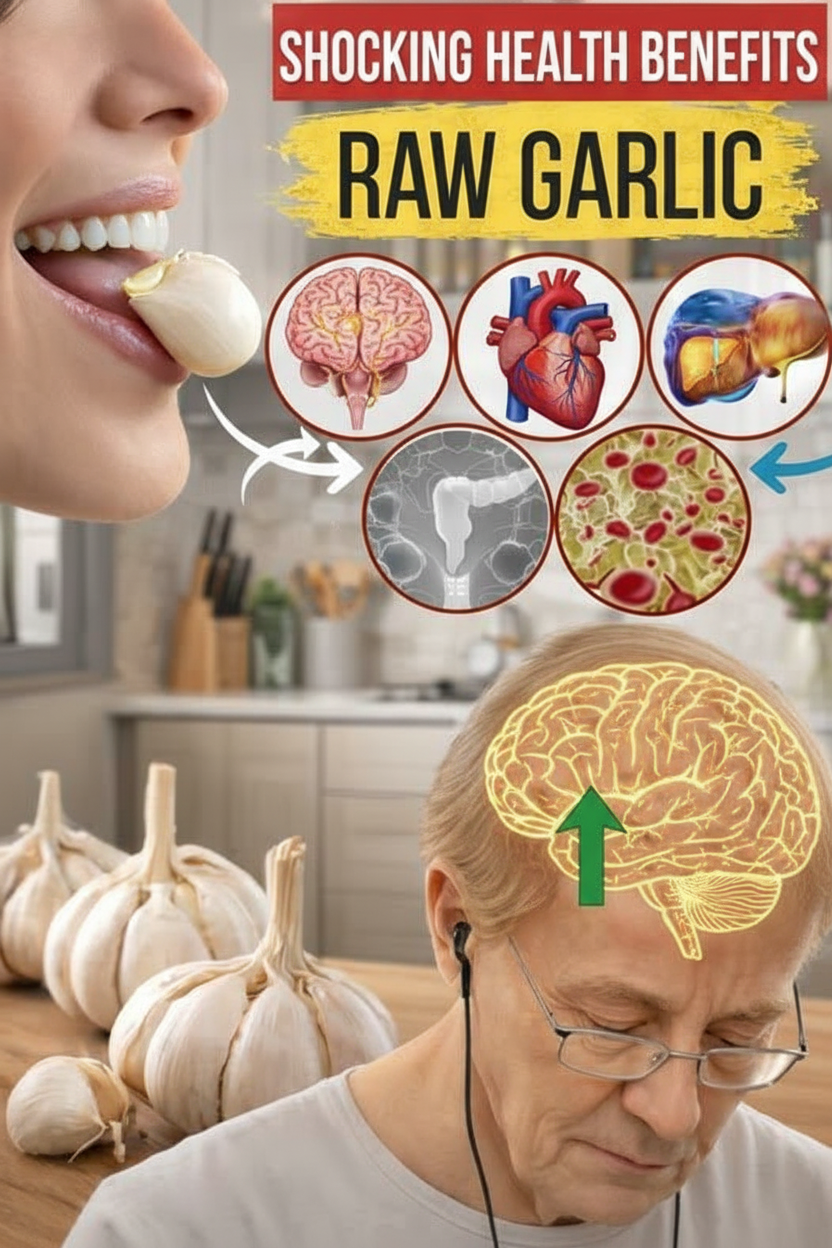
For centuries, garlic has been revered not just as a culinary staple but also for its profound medicinal properties. When consumed raw, this pungent bulb unleashes powerful sulfur compounds, most notably allicin, which is activated when cloves are crushed, chopped, or chewed. The practice of eating two raw garlic cloves daily, approximately 6 grams, is a time-honored tradition in many cultures, believed to offer support for immunity, cardiovascular well-being, and the body’s natural inflammatory response.
While numerous individuals attest to feeling more vibrant or robust through this daily ritual, it’s crucial to approach its purported benefits with a realistic perspective. Scientific backing for these claims predominantly stems from smaller studies and observational data, indicating that any positive effects are typically mild, gradual, and not universally guaranteed. Expect subtle improvements rather than dramatic, overnight transformations; individual outcomes can vary significantly based on one’s overall health and lifestyle. Consuming garlic in its raw state ensures maximum allicin potency, as heat can diminish this crucial compound, though it may also lead to digestive discomfort for some. Below, we delve into a realistic overview of 10 potential health benefits, supported by current evidence.
Exploring the Potential Health Advantages of Daily Raw Garlic
Integrating two raw garlic cloves into your daily routine may offer a spectrum of health benefits, primarily attributed to its bioactive compounds. Here’s a closer look at what you can realistically expect:
- Enhanced Immune System Support: Regular consumption of raw garlic is often linked to a bolstered immune response. While not a cure-all, evidence from studies, including Cochrane reviews, suggests it might help reduce the frequency and severity of common colds, potentially leading to shorter illness durations. The impact is generally moderate, contributing to fewer or milder cold episodes.
- Potent Antioxidant Power: Garlic is rich in antioxidants that actively combat oxidative stress within the body. These compounds protect cells from damage caused by free radicals, supporting overall cellular health and function. Laboratory studies show strong antioxidant activity, translating to general protection for your cells.
- Cardiovascular Health Promotion: Incorporating raw garlic daily may contribute to modest improvements in heart health. Meta-analyses indicate a mild reduction in both blood pressure and cholesterol levels, offering subtle but positive support for your cardiovascular system.
- Natural Anti-Inflammatory Properties: Garlic possesses anti-inflammatory qualities that can help mitigate inflammation throughout the body. Preliminary human and animal studies suggest it may reduce inflammatory markers like C-reactive protein (CRP), contributing to a balanced inflammatory response.
- Support for Digestive Balance: Traditionally, garlic has been used for its antimicrobial properties, which can aid in maintaining a healthy gut microbiome. While not a dramatic solution, it may offer mild relief from issues like bloating and promote overall digestive comfort.
- Modest Blood Sugar Regulation: Some small studies indicate that raw garlic might play a role in mildly improving insulin sensitivity, thus contributing to better blood sugar management. This effect is subtle and should complement, not replace, other diabetes management strategies.
- Improved Oral Hygiene: Garlic’s antibacterial properties extend to oral health, helping to kill harmful bacteria in the mouth. While perhaps counterintuitive given its strong smell, compounds like eugenol contribute to a cleaner oral environment and can indirectly lead to fresher breath by tackling bacterial causes.
- Potential Reduction in Cancer Risk: Observational population studies have suggested a correlation between higher garlic consumption and a lower incidence of certain types of cancer. It’s important to note that these are population-based findings indicating an association, not direct causation, and more research is needed to establish definitive links.
- Enhanced Circulation and Warmth: Anecdotal reports and preliminary research suggest that garlic acts as a vasodilator, potentially improving blood flow and contributing to a feeling of warmth in the extremities. This mild circulatory effect can be a pleasant, indirect benefit.
- Boost in General Vitality: Beyond specific ailments, the rich array of nutrients, vitamins, and antioxidants in raw garlic collectively supports overall well-being. This indirect contribution to vitality can manifest as increased energy and a greater sense of resilience.
Maximizing Benefits and Ensuring Safe Daily Consumption
To harness the potential benefits of raw garlic while minimizing discomfort, consider these practical tips for integrating it into your daily routine:
- Optimal Preparation: To activate allicin, the key beneficial compound, it’s essential to crush or chop your garlic cloves. After preparation, allow the garlic to sit for approximately 5-10 minutes before consumption. This “breathing” period facilitates the enzymatic reaction that forms allicin.
- Consume with Food: To significantly reduce the likelihood of stomach upset, heartburn, or digestive irritation, always consume raw garlic alongside or mixed into a meal. Integrating it into salads, dressings, or sauces can make it more palatable and easier on your digestive system.
- Recommended Dosage: Sticking to 1 to 2 raw garlic cloves daily is generally considered a safe and effective dose for most adults. If the potent taste is a challenge, mixing chopped garlic with a teaspoon of honey can help mask its intensity.
Potential Side Effects and Important Precautions
While generally safe for most individuals in moderate amounts, daily raw garlic consumption does come with potential side effects and certain contraindications. Awareness of these is crucial for safe integration:
- Common Side Effects: The most frequently reported side effects include persistent bad breath, heartburn, flatulence, and nausea. These symptoms can be more pronounced when garlic is consumed raw due to its higher potency.
- Specific Health Risks: Individuals on blood-thinning medications (anticoagulants) should exercise caution, as garlic can enhance anti-clotting effects, increasing the risk of bleeding. Similarly, those with low blood pressure or low blood sugar levels should monitor their condition closely, as garlic may further reduce these. It can also cause general gastrointestinal irritation in sensitive individuals.
- Situations to Avoid or Use Caution: High doses of garlic are generally not recommended during pregnancy. Furthermore, it is strongly advised to discontinue garlic consumption at least two weeks prior to any scheduled surgery, due to its potential impact on blood clotting.
- Professional Medical Advice: Always consult with a healthcare professional or doctor before starting a daily garlic regimen, especially if you have pre-existing medical conditions, are taking any medications, or are pregnant or breastfeeding.
Conclusion: A Flavorful Addition for Gradual Wellness Support
In summary, incorporating two raw garlic cloves into your daily diet presents a traditional and mildly promising approach to enhance overall wellness. The potent allicin and rich antioxidant content contribute to subtle support for your immune system, cardiovascular health, and the body’s natural inflammatory processes. While it’s a flavorful and beneficial habit when consumed crushed with meals, it’s vital to remember that raw garlic is not a miraculous cure-all for “incredible unknown” ailments. Its effects are typically gradual and supportive, rather than dramatic.
For personalized health advice and to ensure it aligns with your individual health profile, particularly if you have underlying conditions or are on medication, seeking professional medical guidance remains paramount.
Disclaimer: This article is intended for informational purposes only and should not be considered medical advice. The evidence for some benefits is limited, and individual results may vary. Always consult with a qualified healthcare professional before making any decisions related to your health or starting new dietary supplements.