 By admin
 Are You Sabotaging Your Health? 5 Common Hydration Mistakes to Avoid
While most of us acknowledge the vital role of proper hydration for overall well-being, it’s remarkably easy to overlook how our daily water intake habits subtly impact our energy levels, physical comfort, and long-term health. Seemingly minor missteps – such as delaying fluid consumption or opting for the wrong beverages – can accumulate over time, placing undue stress on our bodily systems without us even realizing it. The encouraging news is that practical, simple adjustments can lead to significant improvements. By the end of this article, you’ll be equipped with actionable strategies to optimize your hydration and bolster your comprehensive health.
The 5 Most Common Hydration Mistakes People Make
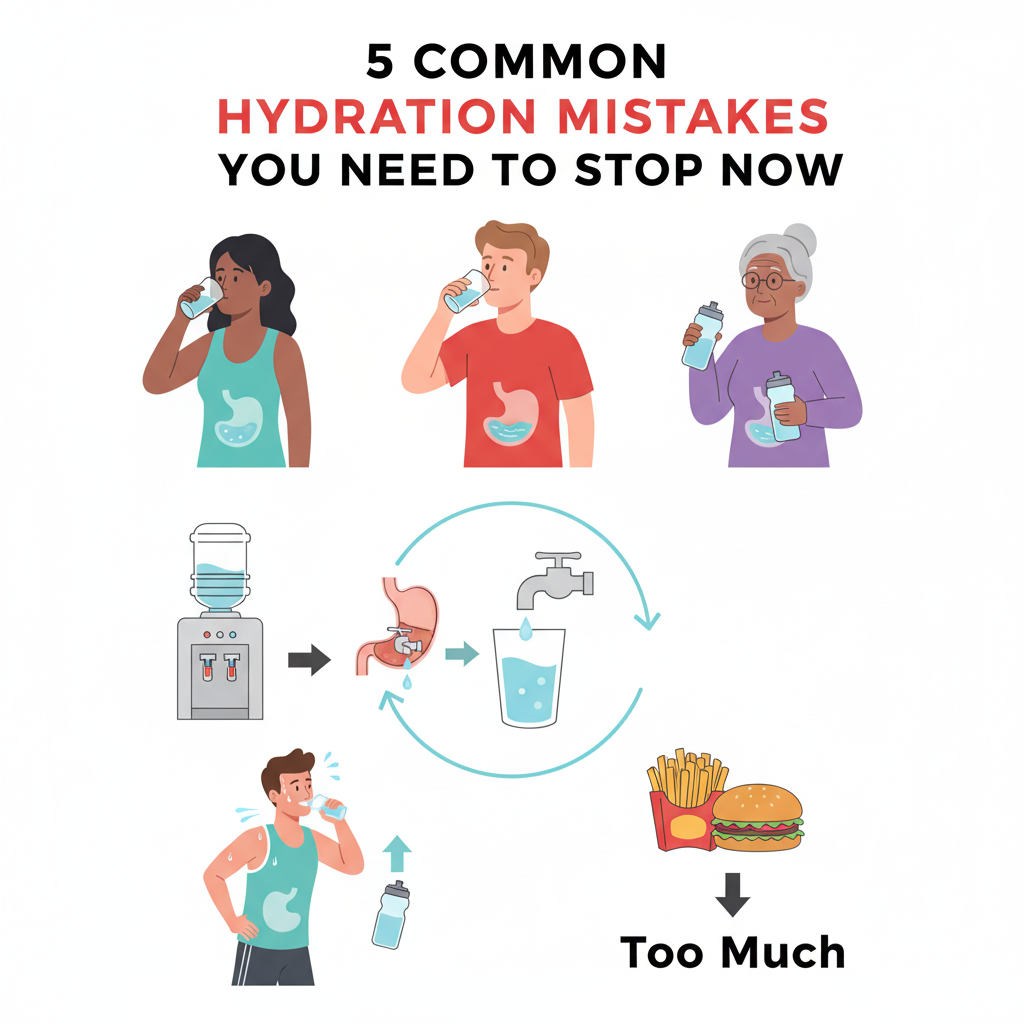
It’s often surprising to discover how well-intentioned hydration habits can inadvertently work against us. Here are five frequent errors consistently highlighted by health experts and scientific research, along with a clear explanation of their implications for your kidneys, cardiovascular system, and general vitality.
1. Waiting Until You’re Really Thirsty to Drink Water
Thirst serves as your body’s alarm system, indicating a fluid deficit. However, by the time you experience a strong sensation of thirst, you may already be experiencing mild dehydration. Research, including insights from the Mayo Clinic, demonstrates that even slight dehydration compels the kidneys to work harder to concentrate urine, potentially increasing the risk of conditions like kidney stones over an extended period. This habit is prevalent because the demands of a busy day often lead us to disregard subtle physiological cues. Yet, consistently delaying hydration can manifest as fatigue, persistent headaches, and diminished cognitive focus – issues that impact our daily lives more profoundly than we might realize.
2. Gulping Down Too Much Water Right After Intense Exercise
After a strenuous workout, the urge to rapidly consume a large volume of water feels entirely natural. Nevertheless, ingesting excessive amounts of fluid too quickly – particularly without accompanying electrolytes – can dangerously dilute sodium levels in the blood, a condition known as hyponatremia. Symptoms can range from general tiredness and dizziness to, in severe and rarer instances, confusion or more critical neurological effects. Studies on exercise-associated hyponatremia underscore the critical importance of balanced fluid intake, as overdoing it places significant strain on the body’s delicate electrolyte balance and can adversely affect heart function.
3. Replacing Plain Water with Sugary Drinks
While sodas, sweetened fruit juices, or energy drinks might offer a momentary sensation of thirst relief, their added sugar content significantly increases the workload on your kidneys as they endeavor to filter out excess glucose. Over time, regular consumption of these beverages has been epidemiologically linked to elevated risks of metabolic conditions such as type 2 diabetes and gout. These sugary options offer minimal nutritional benefits while contributing empty calories and fructose, which can indirectly compromise cardiovascular health and promote systemic inflammation.
4. Drinking a Lot of Water Close to Bedtime
Enjoying a large glass of water before bed might seem innocuous, but it frequently results in multiple nocturnal bathroom visits (nocturia), disrupting crucial deep sleep cycles. Compromised sleep quality can exacerbate bodily stress, and chronic sleep interruptions may indirectly affect kidney function by hindering overall physiological recovery. Many individuals report experiencing more restful sleep by moderating their fluid intake in the evening, thereby allowing the body to maintain its natural overnight rhythms.
5. Skipping Water When It’s Cold or You’re in Air Conditioning
In cooler climates or perpetually dry indoor environments, our natural thirst signals often diminish – despite the body continuously losing moisture through respiration and skin evaporation. Cold, dry air intensifies respiratory water loss, and air conditioning further compounds this effect, leading to unnoticed dehydration that strains the body’s fluid balance. This phenomenon is particularly common during winter months. However, maintaining consistent hydration supports sustained energy levels and prevents subtle, yet cumulative, stress on the heart and kidneys.
Here’s a quick comparison of these common mistakes and their potential impacts:
| Mistake | Common Trigger | Potential Effects |
|---|---|---|
| Waiting for thirst | Busy schedule, ignoring cues | Fatigue, increased kidney workload, reduced focus |
| Overdrinking post-exercise | Intense physical activity | Electrolyte imbalance, dizziness, hyponatremia risk |
| Choosing sugary drinks | Convenience, taste preference | Added strain on kidneys, metabolic risks, inflammation |
| Late-night large intake | Evening habits, pre-bed routine | Disrupted sleep, frequent urination (nocturia) |
| Ignoring in cold/dry conditions | Reduced thirst sensation | Unnoticed fluid loss, low energy, subtle organ strain |
Understanding these pitfalls is a crucial first step, but knowing how to adjust your habits is where genuine, lasting change truly begins.
How to Drink Water the Right Way for Better Health
The truth is, achieving optimal hydration doesn’t necessitate complex rules or stringent regimens. It’s fundamentally about cultivating consistent, mindful habits, often endorsed by reputable health authorities like the Mayo Clinic. Here are practical, actionable steps you can integrate into your daily routine starting today:
- Sip Consistently Throughout the Day: Instead of consuming large volumes sporadically, aim to drink small amounts of fluids steadily. Target approximately 11-15 cups (roughly 2.7-3.7 liters) of total fluids daily – this includes water, other beverages, and water-rich foods. Don’t wait for thirst; make regular sipping a habit.
- Strategize Your Exercise Hydration: Prepare your body for physical activity by drinking about 16-20 ounces (approximately 500 ml) of water 2-3 hours before your workout. During exercise, sip 4-6 ounces every 15-20 minutes, and replenish fluids post-activity, considering electrolyte-enhanced options if your workout was particularly intense or prolonged.
- Prioritize Plain Water: Make water your primary beverage choice. Consciously reduce or eliminate sugary drinks like sodas, sweetened juices, and energy drinks, which contribute to dehydration and metabolic strain rather than effective hydration.
- Moderate Evening Fluid Intake: To prevent sleep disruptions, gradually reduce your water intake in the hours leading up to bedtime. Aim to have your last significant drink at least 2-3 hours before you plan to sleep, allowing your body time to process fluids.
- Stay Hydrated Year-Round, Regardless of Temperature: Be mindful of your fluid intake even when you don’t feel overtly thirsty, especially in air-conditioned environments, during air travel, or in cold, dry weather. Keep a water bottle handy as a visual reminder to sip regularly.
- Listen to Your Body’s Subtle Cues: Beyond thirst, pay attention to other indicators of hydration status, such as urine color (aim for pale yellow), energy levels, and cognitive clarity. Proactive hydration is always better than reactive rehydration.