 By admin
 Nocturia in Seniors: Understanding Frequent Nighttime Urination and Effective Management Strategies
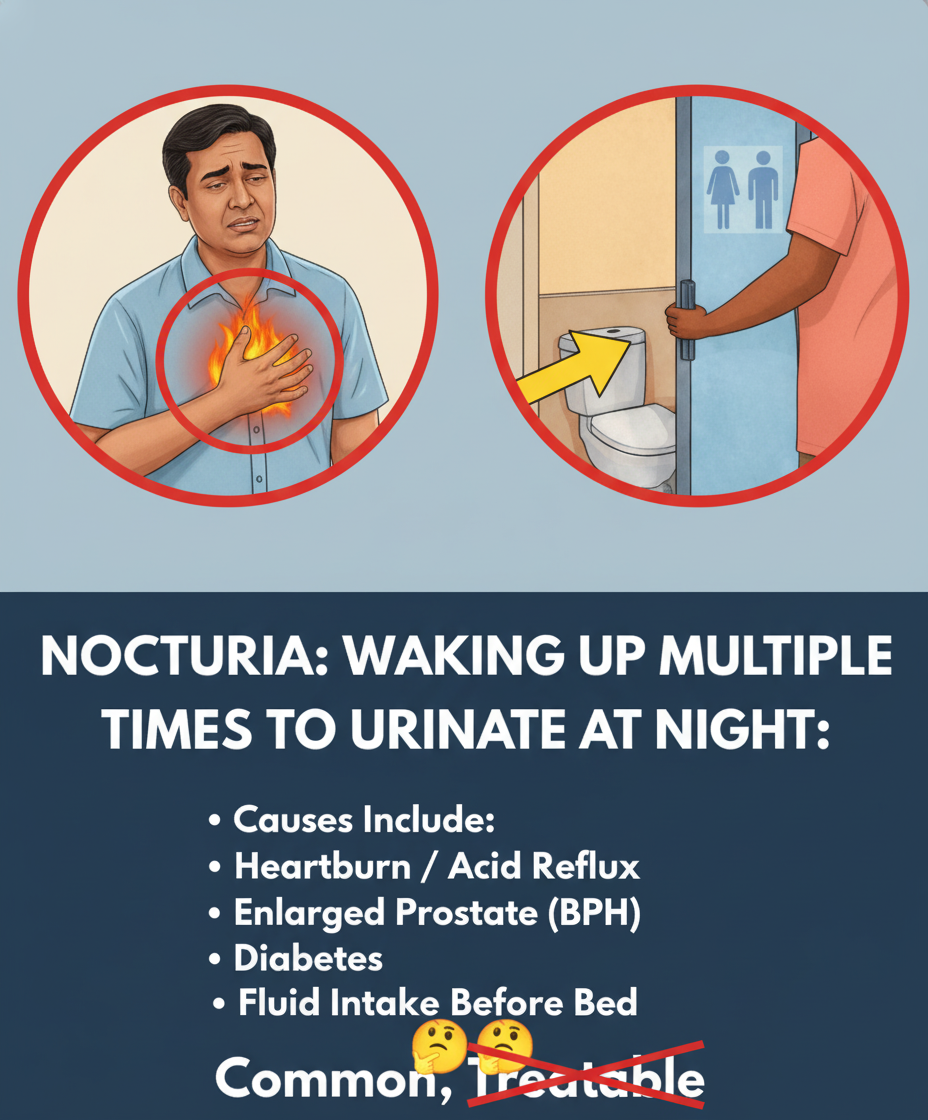
Waking up multiple times throughout the night with a compelling need to urinate can leave you feeling utterly drained and irritable the following day. This fragmented sleep, medically known as nocturia, profoundly impacts concentration, mood, and energy levels, making even routine tasks seem daunting. The added anxiety about whether this is a normal part of aging or indicative of a more serious health concern only compounds the stress. However, many underlying causes of nocturia are quite manageable through simple lifestyle adjustments or appropriate medical intervention. Continue reading to explore the common reasons behind frequent nighttime urination and discover practical steps that can foster more restful sleep, alongside a simple yet effective tool for tracking your patterns.
What Exactly Is Nocturia?
Nocturia is characterized by waking one or more times nightly specifically to urinate, a phenomenon that becomes increasingly prevalent with advancing age. It can be disheartening when what should be peaceful nights become fragmented, diminishing your daily vitality. Research indicates that nocturia is particularly common after the age of 50, often attributed to changes in bladder function, hormonal balance, or sleep architecture. While occasional episodes are considered typical, consistent nightly awakenings warrant closer attention. Crucially, understanding the specific triggers is the first step toward relief. Nocturia is distinct from daytime urinary frequency; it specifically refers to nighttime interruptions that compromise sleep quality. The repetitive cycle of waking and struggling to fall back asleep can significantly heighten feelings of fatigue and exhaustion. Studies have linked it to a variety of factors, but it’s important to recognize the substantial role lifestyle plays.
Lifestyle Factors Contributing to Nocturia
Late-evening fluid consumption is a primary driver of nocturia, as liquids like water, tea, or even alcoholic beverages rapidly fill the bladder overnight. That seemingly harmless drink before bed can quickly escalate into an urgent need to urinate, robbing you of precious sleep. Health experts widely recommend limiting fluid intake several hours before bedtime, with many individuals noticing swift improvements. But the story doesn’t end there; the quality of your sleep is also intimately connected. Poor sleep patterns can amplify your awareness of minor bladder signals, causing them to fully awaken you. Conditions like stress, anxiety, or undiagnosed sleep apnea can fragment your rest, making the impact of nocturia feel far worse. The cumulative exhaustion from these broken sleep cycles adds considerable emotional strain. Research consistently highlights this detrimental feedback loop, and awareness is key to breaking it.
Age-Related Physiological Changes and Nocturia
A significant age-related factor contributing to nocturia is the diminished production of vasopressin, also known as antidiuretic hormone (ADH). As we age, the kidneys become less efficient at concentrating urine during periods of rest due to lower levels of this crucial hormone, leading to a greater volume of urine produced at night. Feeling as though nocturia is an inevitable consequence of aging can be discouraging, but studies confirm it’s common yet often manageable. Fluid redistribution at night also plays a role in nocturia, particularly when fluid that has accumulated in the legs during the day (due to gravity or circulatory issues) re-enters the bloodstream upon lying down. This increases kidney activity and urine production, elevating the risk of nocturia. Concerns about circulation, and in some cases, its link to heart health, can add another layer of worry.
Overview of Nocturia Causes
Often, nocturia results from a combination of multiple overlapping factors. While this complexity can initially feel overwhelming, breaking it down into individual components can be helpful. Here’s a summary of common contributors:
| Cause Category | Description | Potential Impact on Nocturia |
|---|---|---|
| Lifestyle | Late-evening fluid intake, especially diuretics like caffeine/alcohol | Directly increases bladder filling overnight |
| Sleep Issues | Disrupted sleep patterns (e.g., insomnia, sleep apnea) | Heightened perception of bladder signals, poor sleep quality |
| Hormonal | Decreased Antidiuretic Hormone (ADH) production with age | Leads to increased nighttime urine volume |
| Circulatory | Daytime fluid retention (edema) and overnight redistribution | Increases kidney workload and urine output during sleep |
| Bladder/Prostate | Overactive bladder, weakened pelvic floor, or prostate enlargement | Frequent, urgent urges or incomplete bladder emptying |
Research consistently shows that nocturia is frequently multifactorial, involving several of these elements simultaneously.
Specific Considerations for Women with Nocturia
Women may experience nocturia due to various factors, including changes in pelvic floor strength, hormonal shifts associated with menopause, or an overactive bladder (OAB). Declining estrogen levels during menopause can affect the tissues surrounding the bladder and urethra, increasing urgency and disrupting sleep. The added frustration can significantly impact overall well-being. Incorporating pelvic floor strengthening exercises, such as Kegels, often proves beneficial in improving bladder control and reducing nocturia episodes.
Specific Considerations for Men with Nocturia
For men over the age of 50, an enlarged prostate, medically termed benign prostatic hyperplasia (BPH), is a common cause of nocturia. As the prostate gland grows, it can press on the urethra, obstructing urine flow and leading to incomplete bladder emptying. This incomplete emptying results in the need to urinate more frequently, including multiple times at night. Early awareness and medical evaluation can prevent escalation and often lead to effective relief through various treatment options.
Practical Strategies for Managing Nocturia and Supporting Better Sleep
Implementing a few simple adjustments can significantly help in reducing episodes of nocturia. Taking proactive steps can alleviate the helplessness often associated with nightly disruptions. Consider incorporating the following habits:
- Reduce Fluid Intake: Limit your consumption of fluids, especially water, tea, and other beverages, 2-3 hours before your bedtime.
- Avoid Stimulants and Diuretics: Steer clear of caffeine and alcohol in the late afternoon and evening, as both can act as diuretics and bladder irritants.
- Elevate Your Legs: If you experience swelling in your legs during the day, try elevating them for a period in the afternoon or early evening to help redistribute fluid before bedtime.
- Empty Bladder Completely: Make a conscious effort to fully empty your bladder right before you go to sleep.
- Maintain a Consistent Sleep Routine: Establish and adhere to a regular sleep schedule, going to bed and waking up at the same time each day, even on weekends.
- Consider Calming Beverages Earlier: If you enjoy warm drinks, opt for calming, non-diuretic herbal teas earlier in the day rather than close to bedtime.
- Keep a Bladder Diary: Tracking your fluid intake, urination times, and amounts can effectively reveal patterns and potential triggers for your nocturia.
Additionally, practicing pelvic floor exercises, like Kegels, can strengthen the muscles that support the bladder, potentially easing symptoms of nocturia.
Your Action Plan: Steps to Take Tonight
To begin addressing nocturia and improving your sleep quality, consider these immediate steps:
- Review Evening Habits: Take a moment to reflect on your evening routine, particularly your fluid intake and what you consume before bed.
- Limit Late Fluids: Implement a strategy to reduce your fluid consumption starting a few hours before you plan to sleep.
- Start a Simple Diary: Begin tracking your urination patterns and fluid intake with a basic bladder diary to identify personal triggers.
- Practice Pelvic Floor Exercises: Incorporate daily pelvic floor exercises (Kegels) into your routine to strengthen bladder support.
- Consult Your Doctor: If nocturia persists, worsens, or significantly impacts your quality of life, schedule an appointment with your healthcare provider for a thorough evaluation and personalized advice.
Taking these proactive steps can significantly contribute to more restful, uninterrupted nights and an improved sense of well-being.