 By admin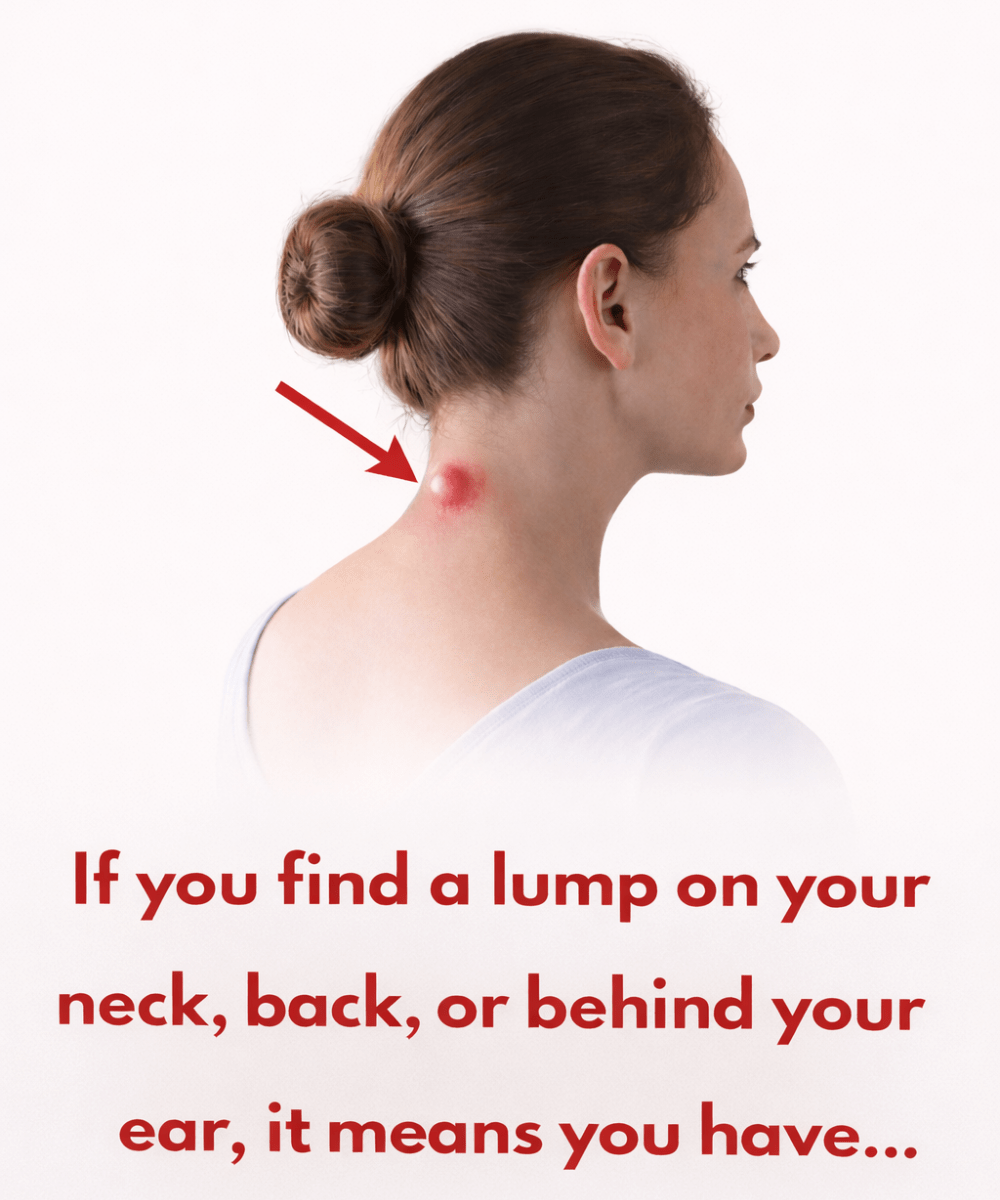
Finding a new lump or cyst under your skin can stop you in your tracks. One moment you’re showering or getting dressed, the next you’re pressing on an unfamiliar bump, heart racing, wondering if it’s “something bad.” That sudden jolt of worry is completely normal – many people describe it as one of the most unsettling feelings related to their own body. The good news? The vast majority of these lumps and cysts are harmless. The even better news? Learning to recognize the common types and warning signs can dramatically reduce that stomach-churning uncertainty. Stick with me until the end – there’s one simple change in how you monitor lumps that many doctors wish more patients knew about.

Why Discovering a Lump Feels So Alarming
A new lump often feels like your body has betrayed you.
You start second-guessing every twinge, avoiding certain movements, and mentally replaying worst-case scenarios.
Even when you tell yourself “it’s probably nothing,” the doubt lingers and can turn routine activities into moments of low-level anxiety.
Understanding the most common causes and their typical features is often the fastest way to move from panic to calm observation.
Most Skin Lumps & Cysts Are Benign – Here’s Why
Dermatologists and primary care physicians report that over 90% of lumps people notice under the skin turn out to be non-cancerous.
Common causes include blocked glands, trapped dead skin cells, overgrown fatty tissue, or a lymph node reacting to a minor infection.
Many of these simply stay the same size for years or even slowly shrink on their own.

Common Types of Lumps and Cysts You Might Feel
Here are the five types doctors see most often:
1. Epidermoid Cyst (Sebaceous Cyst)
- Feels like a firm, round lump under the skin
- Often has a tiny dark “pore” or blackhead-like opening in the center
- Usually painless unless it becomes inflamed or infected
- Contains cheesy, white keratin material

2. Lipoma
- Soft, rubbery, and easily movable under the skin
- Feels “doughy” or like a small pillow
- Grows very slowly (sometimes over years)
- Almost never turns into cancer

3. Swollen Lymph Node
- Pea-sized or a little larger, often tender or painful
- Usually appears near an infection (cold, sore throat, skin cut, etc.)
- Most common locations: neck, armpit, groin
- Typically shrinks back down within 2–6 weeks after the infection clears
4. Pilar Cyst (Trichilemmal Cyst)
- Firm, smooth, round lump – most often on the scalp
- Originates from hair follicle cells
- Can grow to 1–5 cm but usually painless

5. Ganglion Cyst
- Firm or slightly spongy lump, often near joints or tendons (wrist, fingers, ankle, foot)
- Filled with thick, jelly-like fluid
- May appear suddenly after wrist strain or heavy use

Quick Comparison Table
| Type | Feel / Texture | Common Location | Painful? | Moves Easily? |
|---|---|---|---|---|
| Epidermoid Cyst | Firm, round | Face, neck, trunk | Usually no | No |
| Lipoma | Soft, doughy | Anywhere (back, arms, thighs common) | Almost never | Yes |
| Swollen Lymph Node | Firm, pea-like | Neck, armpit, groin | Often tender | Somewhat |
| Pilar Cyst | Firm, smooth | Scalp | Usually no | No |
| Ganglion Cyst | Firm or spongy | Wrist, hand, foot | Sometimes | Often no |
Warning Signs: When a Lump Needs Prompt Attention
Most lumps are harmless, but certain changes should never be ignored. Watch for these red flags:
- Rapid growth (noticeably larger within days to a few weeks)
- Becomes painful, red, warm or swollen (signs of infection or inflammation)
- Begins to drain pus, blood, or foul-smelling material
- Feels hard as a rock and fixed in place (doesn’t move when pushed)
- New lumps appear in multiple areas at the same time
- You also have unexplained fever, night sweats, weight loss, or extreme fatigue
Any of these signs? It’s time to stop wondering and make an appointment.
When Should You See a Doctor?
Use this simple checklist:
- The lump appeared suddenly and is growing quickly
- It hurts or becomes increasingly tender
- You see skin changes (redness, ulceration, crusting)
- The lump feels very hard and doesn’t move under the skin
- You have other worrying symptoms (fever, weight loss, etc.)
- The lump is still there and bothering you after 4–6 weeks of observation
If any of these apply, see your doctor or a dermatologist within the next 1–2 weeks (sooner if there are clear infection signs).
Safe Home Monitoring: What You Can Do Right Now
You don’t have to just “wait and see” passively. Gentle, consistent monitoring actually gives you more control and better information if you eventually need to see a doctor.
Try this 4-step weekly routine:
- Choose a consistent time – e.g., every Sunday morning after showering
- Use good lighting and a mirror (or ask a partner to look at hard-to-see areas)
- Measure & record – use a ruler or phone photo + note size, tenderness, color changes
- Keep a simple log – date / size in mm / symptoms (pain level 0–10 / other changes)
Other safe habits:
- Apply a warm, moist compress (clean washcloth + warm water) 10–15 minutes, 2–3 times a day only if the lump is mildly inflamed
- Wear loose clothing to reduce friction
- Never squeeze, cut, or try to pop any lump – this dramatically increases infection risk
Why Do Some People Get Lumps and Cysts More Often?
Several factors can increase the likelihood:
- Family history – lipomas and certain cysts can run in families
- Previous acne or significant skin trauma/scarring
- Oily skin – higher chance of blocked glands
- Repetitive friction – tight collars, backpacks, sports equipment
- Hormonal changes – puberty, pregnancy, menopause
While you can’t change genetics, good skin hygiene and avoiding unnecessary skin trauma can help reduce some types.
The One Monitoring Trick Many Doctors Wish Patients Knew
Here’s the small habit that makes a big difference: Photograph the lump with a ruler next to it every 2–4 weeks.
A clear photo record is far more reliable than memory when trying to answer the doctor’s question: “Is it growing?”
Most people are surprised how much reassurance (or useful information) those simple photos provide.
Final Thoughts
Discovering a lump or cyst is rarely pleasant, but knowledge really is the best antidote to fear. Most of these growths are benign, stay stable for years, and never cause serious problems. By learning the common patterns, watching for genuine warning signs, and monitoring calmly, you put yourself back in the driver’s seat.
Still uncertain about a lump you’ve found? Trust that small, quiet voice that says “better safe than sorry” – a quick visit to a doctor or dermatologist can give you months or years of peace of mind.
Frequently Asked Questions
Are all lumps under the skin dangerous?
No. The large majority (well over 90%) are benign conditions such as lipomas, epidermoid cysts, or reactive lymph nodes. However, any lump that changes rapidly or shows warning signs should be checked.
Can I safely pop or squeeze a cyst at home?
No – attempting to pop or drain a cyst yourself significantly increases the risk of infection, scarring, and recurrence. Warm compresses may provide temporary relief, but professional evaluation is recommended for persistent or painful cysts.
How soon should I see a doctor after finding a new lump?
If the lump is painless, smaller than 1–2 cm, and stable, you can safely observe it for 4–6 weeks. Seek medical attention much sooner if it grows quickly, becomes painful, red, warm, or if you develop fever or other concerning symptoms.
This article is for informational purposes only and is not a substitute for professional medical advice, diagnosis, or treatment. Always consult a qualified healthcare provider regarding any concerns about lumps, cysts, or other health conditions.