 By admin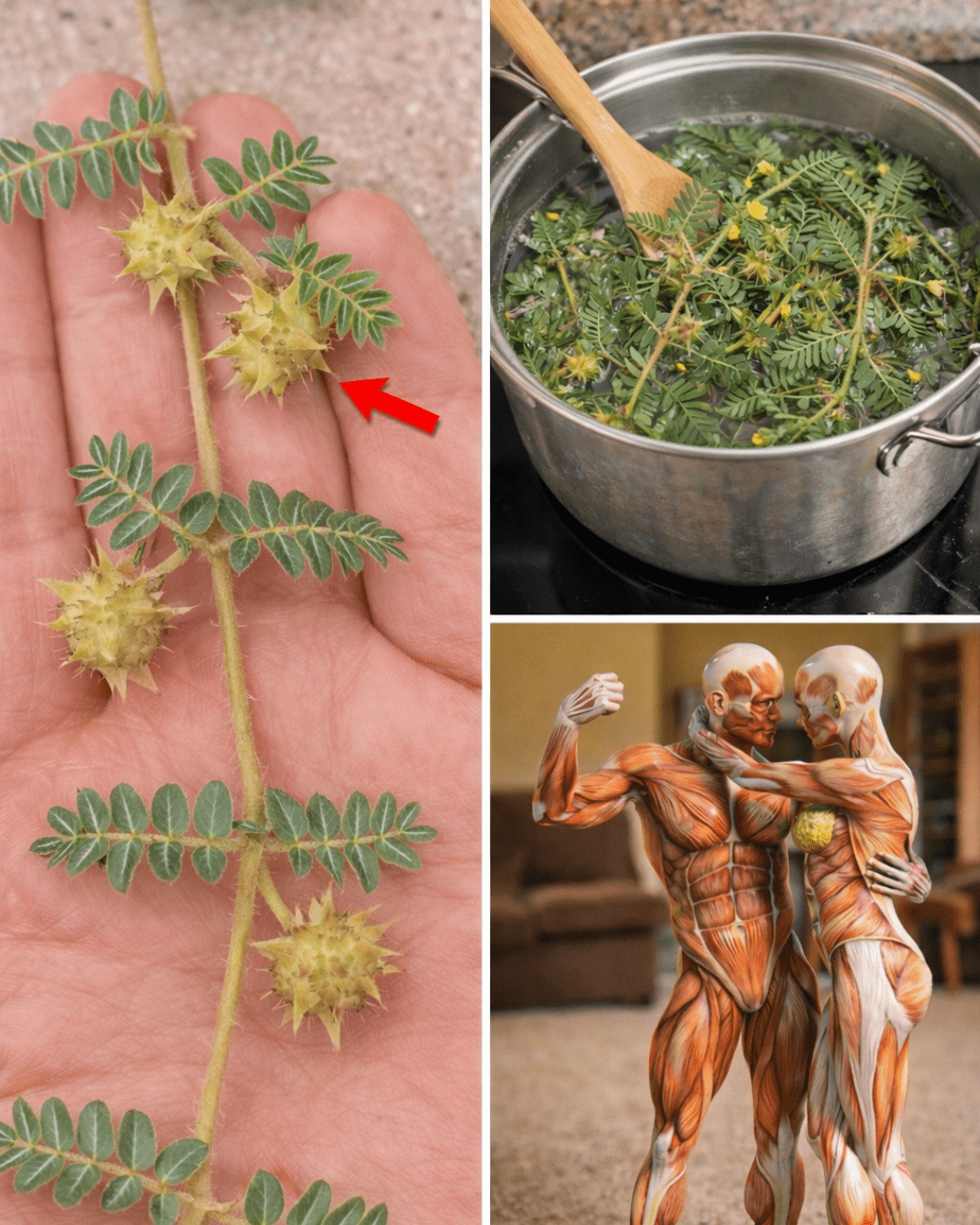
Feeling drained by daily demands, low energy, or a dip in stamina that affects your confidence and performance? Many people struggle with these issues as they age or face stress, leaving them searching for ways to regain that natural spark without relying on quick fixes. The frustration builds when nothing seems to help sustainably.
But traditional healers have turned to one resilient plant for centuries to support energy, vitality, and overall balance. And here’s the intriguing part: you might prepare it at home just like they did—stay with me to uncover safe, time-tested approaches that could make a real difference.

What Is Tribulus Terrestris?
Tribulus terrestris, commonly known as puncture vine or Gokshura in Ayurveda, is a low-growing plant with yellow flowers and distinctive spiky fruits. It thrives in dry climates worldwide, from the Mediterranean to Asia.
Traditional Chinese Medicine and Ayurvedic practices have valued it for generations as a tonic to promote vitality and support the body’s natural functions.
The entire plant—leaves, roots, and fruits—plays a role in these traditions. Its key compounds, particularly saponins like protodioscin, contribute to its reputed effects.
But that’s not all—modern interest stems from its long history, though science is still exploring its full potential.

Why Has Puncture Vine Been Valued Traditionally?
Across cultures, puncture vine earns praise for supporting:
- Energy and stamina during physical activity
- Urinary tract and kidney health
- Natural hormonal balance in men and women
- Overall vitality and recovery
In Ayurveda, it acts as a rejuvenating herb (rasayana) for strength and libido. Traditional Chinese Medicine uses it for kidney support and vitality.
Research offers mixed insights. Some studies suggest benefits for sexual function and metabolic health, while others find limited effects on testosterone levels. For instance, systematic reviews indicate potential improvements in erectile function but inconsistent hormone changes.
This highlights why traditions emphasize holistic use rather than isolated expectations.
Here’s a quick comparison of traditional vs. modern views:
| Aspect | Traditional View | Modern Research Insights |
|---|---|---|
| Vitality & Energy | Tonic for stamina and recovery | Some support for performance; more studies needed |
| Hormonal Balance | Supports natural libido and strength | Mixed results on testosterone; possible sexual function benefits |
| Urinary/Kidney Support | Diuretic and cleansing properties | Preliminary evidence for urinary health |
The truth is, its power lies in consistent, mindful use within a healthy lifestyle.

Identifying and Harvesting Puncture Vine Safely
Before preparing anything at home, correct identification is crucial. Look for:
- Creeping stems with small yellow flowers
- Leaves divided into pairs
- Hard, spiky seed pods (the “puncture” part—handle with gloves!)
It often grows wild in sunny, disturbed areas. Always harvest from clean, uncontaminated spots.
If foraging isn’t possible, opt for reputable dried sources.
Safety first: The spikes can injure, so wear protection.
Traditional Homemade Preparations
People have used simple methods for centuries to extract the plant’s benefits. Start mild and observe how your body responds.
1. Gentle Tribulus Tea (Infusion)
Ideal for daily vitality and mild kidney support.
Steps:
- Use 1 teaspoon of dried leaves or stems.
- Add to 1 cup of hot (not boiling) water.
- Steep covered for 10-15 minutes.
- Strain and sip once daily.
This gentle method suits beginners.
2. Stronger Decoction (From Fruits or Roots)
Traditionally for deeper energy and urinary support.
Steps:
- Crush 1 teaspoon of dried fruits or roots.
- Boil in 1-1.5 cups water for 10-15 minutes.
- Strain and consume no more than once daily, for short periods (e.g., 2-4 weeks).
This extracts more saponins—use cautiously.
3. Simple Powder Preparation
For easy incorporation.
Steps:
- Dry and grind plant parts into powder.
- Mix ¼-½ teaspoon with warm water or honey.
- Take sparingly.
4. External Compress
For muscle tension relief.
Steps:
- Boil leaves/stems briefly.
- Soak a clean cloth in the liquid.
- Apply warm to the area (external only).
These methods draw from tradition, but they’re not one-size-fits-all.

Important Safety Considerations
Tribulus terrestris is potent—respect it.
- Avoid during pregnancy or breastfeeding (traditionally considered too strong).
- Consult a healthcare provider if on medications, especially hormone-related or blood pressure drugs.
- Possible mild side effects: stomach upset, restlessness.
- Short-term use recommended; don’t exceed suggested amounts.
- Rare reports link high doses to issues, so moderation is key.
Research generally shows good tolerance at typical doses, but individual responses vary.
Final Thoughts: Embracing Tradition Mindfully
Puncture vine offers a fascinating bridge between ancient wisdom and modern wellness curiosity. Its traditional role in supporting vitality reminds us that nature provides time-tested tools for balance.
Yet, it’s not a miracle—pair it with good nutrition, exercise, and rest for best results.
Ready to explore? Start small, listen to your body, and seek professional guidance.
Frequently Asked Questions
1. Can Tribulus terrestris boost testosterone naturally?
Traditional use suggests support for vitality, but most studies show no significant testosterone increase in humans.
2. Is it safe for women to use?
Yes, in moderation—traditions use it for female balance too, but consult a doctor, especially for hormonal concerns.
3. How long can I use homemade preparations?
Traditionally short-term (a few weeks). Cycle with breaks and monitor for any discomfort.
Disclaimer: This article is for informational purposes only and does not replace professional medical advice. Tribulus terrestris is a potent herb with traditional uses, but it may not suit everyone. Always consult a qualified healthcare professional before use, especially if pregnant, breastfeeding, on medications, or managing health conditions.