 By admin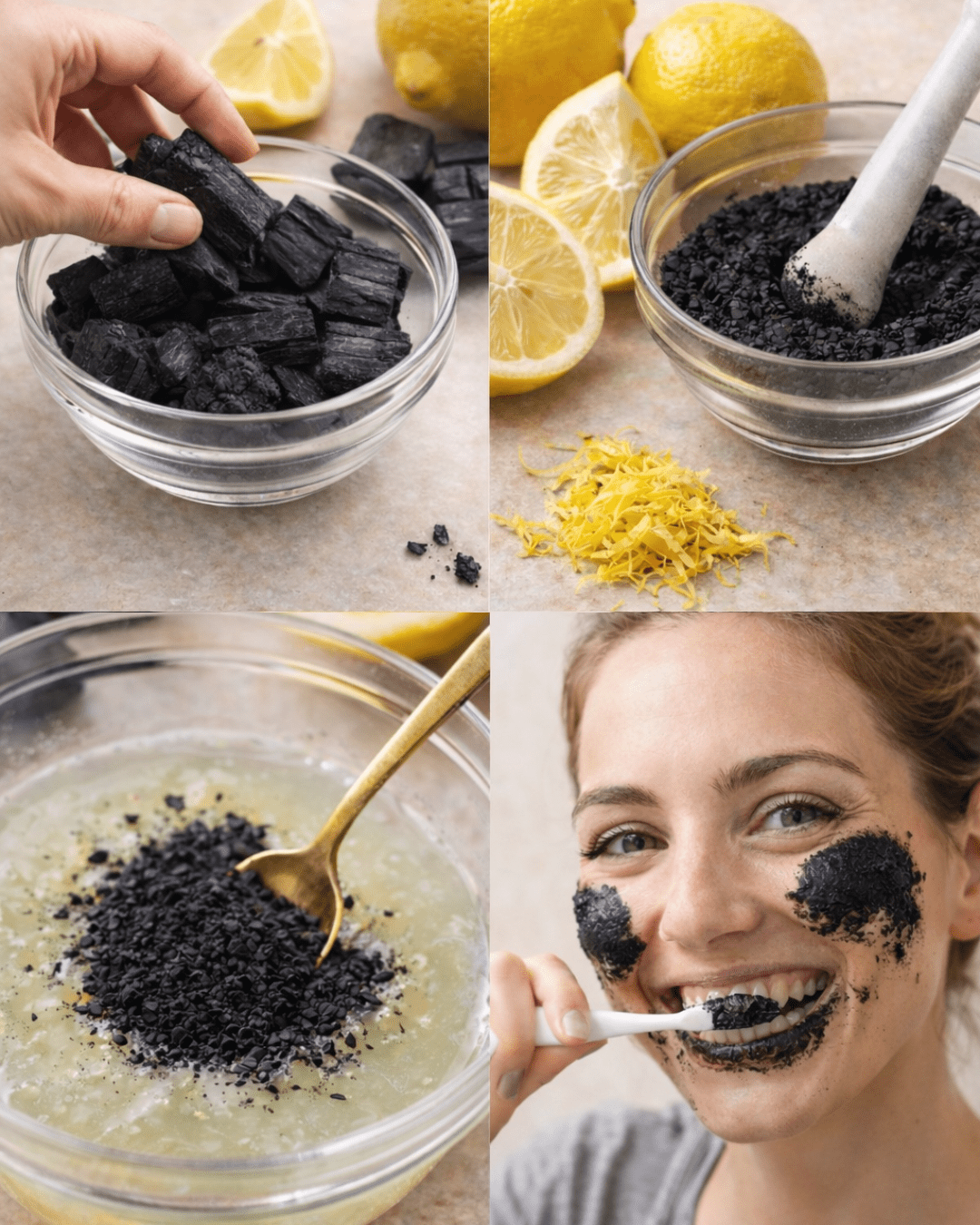
Feeling bloated after meals, dealing with dull skin, or noticing surface stains on your teeth can be frustrating parts of daily life. Many people turn to natural remedies hoping for quick relief, only to wonder if they’re truly effective or safe. Mixing lemon juice with activated charcoal has gained popularity as a simple home remedy—but does it live up to the hype, or could it cause more harm than good?
The truth is, while this combination offers some potential supportive benefits when used occasionally and correctly, the evidence is limited, and there are important risks to consider. Let’s break it down based on what research actually shows, so you can decide if it’s right for you.

Potential Benefits for Digestion and Bloating Relief
Activated charcoal is well-known for its ability to adsorb certain substances in the gut. Studies, including those reviewed by the European Food Safety Authority, suggest it may help reduce excessive gas and bloating by trapping gas-producing compounds.
Lemon juice adds citric acid, which can gently stimulate digestion and support hydration when mixed with water.
When combined occasionally:
- It might provide temporary relief from mild bloating or discomfort after heavy meals.
- Some people report feeling lighter, thanks to lemon’s refreshing properties and charcoal’s adsorptive effects.
But here’s the reality: There’s no strong scientific evidence that this mix offers superior digestive benefits over plain lemon water or occasional charcoal use alone. Research from sources like Healthline notes that activated charcoal’s gas-reducing effects are promising but need more studies.
How to Try It Safely (Occasionally):
- Mix 1/4 teaspoon of food-grade activated charcoal powder with the juice of half a lemon and 8-10 ounces of water.
- Drink it once in a while, not daily.
- Always use it away from meals or medications.

Skin Health: A Popular DIY Mask with Caveats
Activated charcoal is often added to skincare products because it can draw out impurities and excess oil from pores. Lemon juice provides natural acidity for mild exfoliation and vitamin C for brightness.
Together, they create a popular face mask that may:
- Help cleanse oily or acne-prone skin temporarily.
- Give a refreshed feeling by removing surface debris.
However, experts from WebMD and dermatology reviews caution that evidence for long-term skin benefits is weak. Lemon’s acidity can irritate sensitive skin, cause dryness, or increase sun sensitivity.
Safe Usage Tips:
- Mix 1 teaspoon activated charcoal with a few drops of lemon juice and enough honey or water to form a paste.
- Apply for 10 minutes, no more than once a week.
- Patch test first and rinse thoroughly.

Oral Care: Surface Stain Removal—But Proceed with Caution
Activated charcoal’s mild abrasiveness can polish away some surface stains, and lemon’s citric acid has natural brightening properties.
This combo is trendy for DIY whitening, but:
- Studies show limited or no superior whitening compared to regular brushing.
- The American Dental Association warns that charcoal can be too abrasive, potentially scratching enamel over time.
- Lemon’s acid is a major concern—it can erode enamel, leading to sensitivity or damage, as highlighted in dental reviews.
If You Still Want to Try:
- Use a tiny amount (pinch of charcoal + drop of lemon) mixed with water.
- Brush gently for 1-2 minutes, once a week max.
- Follow with fluoride toothpaste and rinse well.

Key Precautions: Why Moderation Matters
Activated charcoal doesn’t discriminate—it can bind to nutrients, vitamins, and medications, reducing their absorption. Research shows it may interfere with birth control, antibiotics, and essential minerals.
Lemon’s acidity adds risks like enamel erosion or skin irritation.
Important Risks to Know:
- Nutrient depletion with frequent use.
- Medication interactions (take charcoal 1-2 hours away from meds).
- Not suitable for daily routines or those with digestive issues.
- Avoid if pregnant, breastfeeding, or on medications without doctor approval.
Other Claimed Benefits: Limited Evidence
Ideas like enhanced detoxification, immune support, or pH balance lack robust scientific backing. Your body naturally detoxes via liver and kidneys—charcoal helps only in specific medical cases like poisoning.
Lemon provides vitamin C, but combining it with charcoal might reduce some benefits due to adsorption.
Conclusion: Balanced and Informed Use
Mixing lemon with activated charcoal can offer mild, occasional support for digestion, skin cleansing, or stain removal when done sparingly and correctly. But the benefits are often overstated, and risks like nutrient interference or enamel damage are real.
The best approach? Stick to evidence-based habits: a balanced diet, hydration, gentle skincare, and professional dental care. If you’re curious, start small and listen to your body.
FAQ
Is mixing lemon with activated charcoal safe daily?
No—experts recommend occasional use only, as daily intake risks nutrient and medication absorption issues.
Can it really detox the body?
Limited evidence; it’s proven for acute poisoning in medical settings, not general “detox.”
Will it whiten teeth effectively?
It may remove some surface stains temporarily, but it’s abrasive and acidic—professional whitening is safer and more effective.
Disclaimer: This article is for informational purposes only and not medical advice. Always consult a healthcare professional before trying new remedies, especially if you have health conditions or take medications. Activated charcoal and lemon mixtures are not substitutes for professional treatment.