 By admin
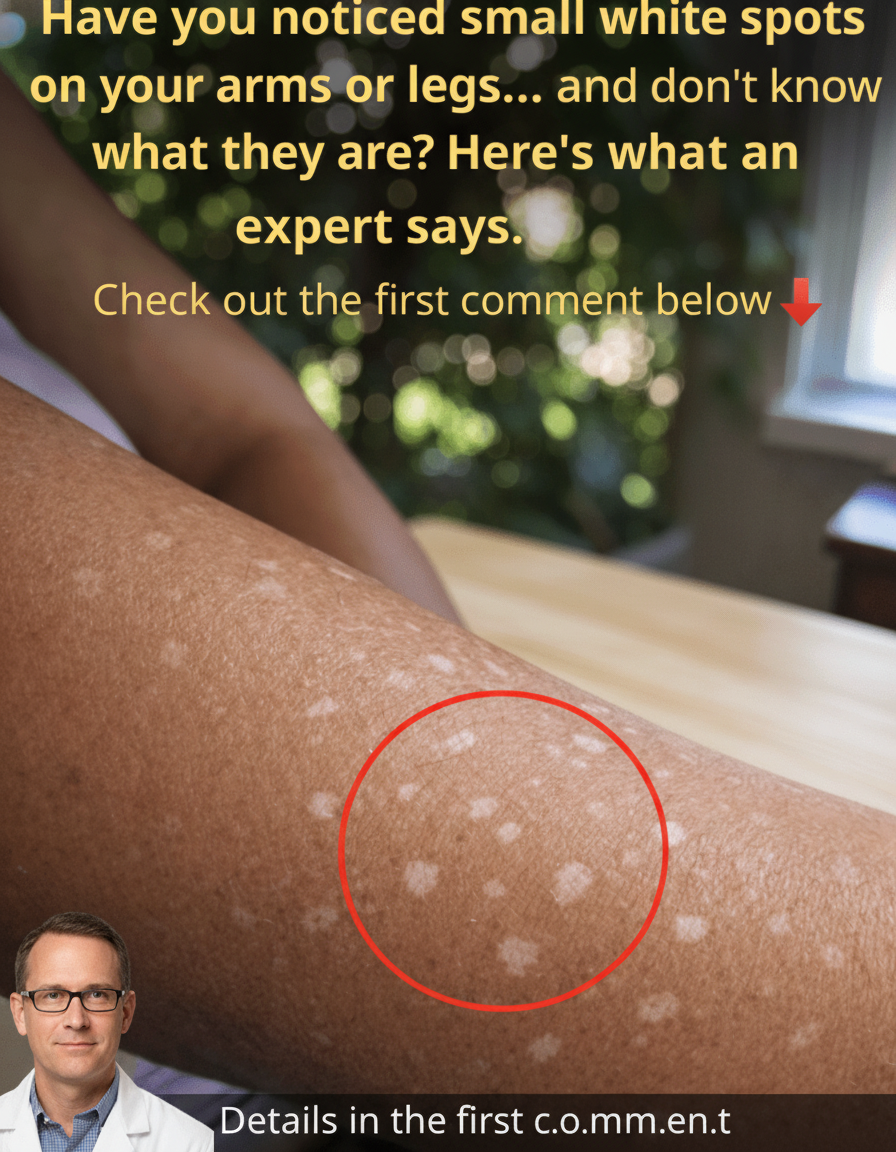
 Many individuals eventually notice small white dots or patches appearing on their arms or legs, often leading to a quiet sense of concern. These white spots typically don’t itch or cause pain, yet their presence, especially after sun exposure, can be quite noticeable. This can naturally prompt questions about underlying health conditions. The frustration often intensifies when these areas refuse to tan like the surrounding skin or seem to multiply over time. Consequently, some might feel self-conscious, opting to cover up or avoid short-sleeved clothing.
However, there’s reassuring news: the vast majority of these skin discolorations are common, harmless, and frequently linked to everyday factors such as sun exposure or natural skin changes. While these spots are rarely indicative of a serious problem, understanding their origins can empower you to take proactive and gentle steps to support your skin’s overall health. Towards the end of this article, we’ll share practical habits that many find beneficial for managing these skin concerns.
What Do These Small White Spots Typically Look Like?
These distinct spots are generally quite small—often no larger than a freckle—and present as round or oval shapes, lying flat against the skin’s surface. They appear noticeably lighter or completely white compared to your natural skin tone. They are most commonly observed on areas frequently exposed to the sun, such as the forearms, shins, and shoulders.
While typically asymptomatic, they can become more prominent during the summer months when the surrounding skin tans. Dermatological research indicates that these hypopigmented spots are frequently observed in adults over 40, though they can emerge earlier, particularly in individuals with fair skin or a history of significant sun exposure.
One of the Most Common Reasons: Sun-Related Skin Changes
Scientific studies consistently highlight that prolonged sun exposure plays a significant role in the development of many small white spots, particularly a condition known as idiopathic guttate hypomelanosis (IGH). This benign condition occurs when years of exposure to harmful UV rays gradually impact the pigment-producing cells (melanocytes) in sun-exposed areas of the skin.
The resulting spots are harmless and do not spread or evolve into more serious conditions. IGH is more prevalent in individuals with lighter skin tones but can affect anyone with a history of substantial sun exposure. Dermatologists frequently diagnose this condition in middle-aged and older adults. However, IGH isn’t the only potential cause; continue reading to explore other common factors contributing to these white sun spots.
Fungal Overgrowth: When Spots Appear as Patches
Another frequent cause of skin discoloration is a mild fungal condition called tinea versicolor. This occurs when a naturally occurring yeast on the skin, *Malassezia*, overgrows, especially in warm, humid environments. This overgrowth leads to the formation of lighter (or occasionally darker) patches, often found on the chest, back, or upper arms.
These patches may exhibit fine scaling and can merge to form larger areas. Tinea versicolor becomes particularly noticeable after sun exposure because the affected skin doesn’t tan evenly, making the paler areas stand out. Research indicates it’s common among teens and young adults residing in hotter climates. Unlike sun-related spots, these fungal patches can fluctuate, appearing and fading with changes in seasons or increased sweating.
In Children and Teens: A Mild Skin Reaction
Younger individuals, particularly children between the ages of 3 and 16, frequently develop lighter patches referred to as pityriasis alba. These typically begin as slightly pink or reddish areas that gradually fade into pale, often blurry spots, commonly found on the face, neck, or arms.
Pityriasis alba is often linked to dry skin or mild eczema and tends to become more visible following sun exposure. The edges of these patches are usually ill-defined, and they may have a fine, powdery scale. Studies suggest this condition is very common and generally resolves on its own as children mature.
Other Possible Factors to Consider
Based on extensive dermatological research, here are some additional common reasons for the appearance of white spots on the skin:
- Post-inflammatory hypopigmentation: After the skin heals from irritation, eczema, or a minor injury, lighter areas can temporarily remain. This is due to a temporary disruption in pigment production.
- Milia: These are tiny, raised white bumps that form when skin cells become trapped beneath the surface. They are harmless and most frequently appear on the face.
- Nutritional aspects: While rare as a direct cause for these specific spots, some studies suggest that overall nutrition can influence skin pigmentation. However, evidence directly linking specific nutrient deficiencies to these types of white spots is limited.
It’s important to reiterate that the vast majority of small white spots fall into benign categories and typically do not require aggressive medical intervention.
How These Causes Compare: A Quick Overview
To help differentiate between the most common types of white skin spots, here’s a simple comparison:
| Feature | Idiopathic Guttate Hypomelanosis (IGH) | Tinea Versicolor | Pityriasis Alba |
| Typical Age | Adults over 40 | Teens and young adults | Children 3-16 |
| Common Location | Arms, legs (sun-exposed) | Chest, back, upper arms | Face, neck, arms |
| Appearance | Tiny, sharp white dots | Larger patches, possible fine scale | Blurry pale patches, often dry |
| Itch or Scale | None | Mild possible itch, fine scale | Sometimes mild itch, fine scale |
| Tanning Behavior | Doesn’t tan | Doesn’t tan evenly | More visible after sun exposure |
| Duration | Permanent | Can recur seasonally | Often resolves with age |
While this comparison highlights key distinctions, it’s not an exhaustive list of all possible skin conditions. If you have persistent concerns about any skin changes, consulting a dermatologist is always recommended for an accurate diagnosis and personalized advice.