 By admin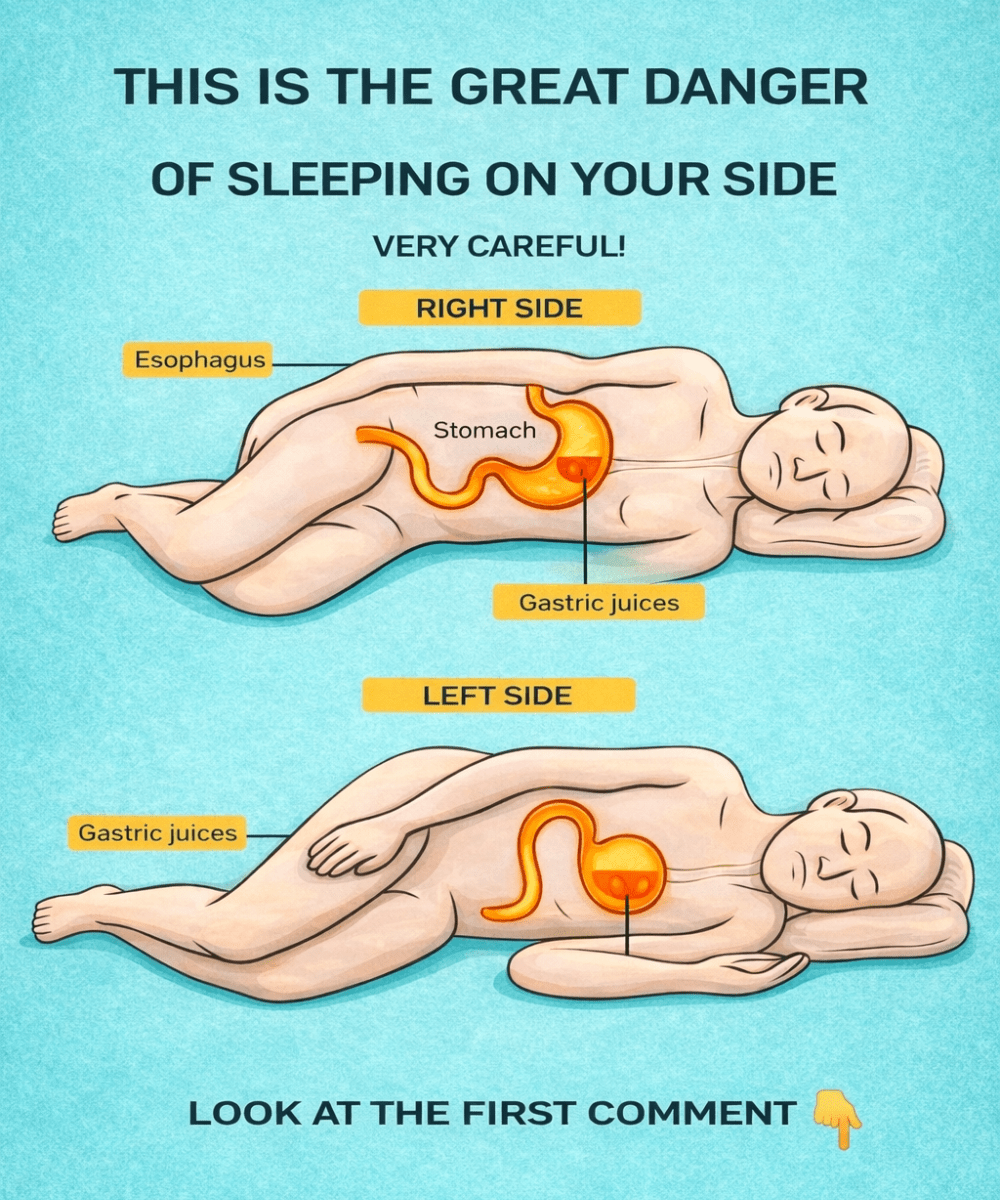
Many of us curl up on our right side at night, feeling cozy and secure as we drift off, only to wake up groggy, with a bloated stomach or that familiar burning sensation in the chest. It’s incredibly frustrating when the rest that’s supposed to refresh and recharge you ends up leaving you feeling drained and uncomfortable the next day. If right-side sleeping has become your go-to habit, it might quietly be working against your body’s natural overnight processes—like digestion and comfortable breathing. But here’s the good news: a simple switch in position could bring noticeable relief and deeper rest. Keep reading to discover what studies reveal about side sleeping and why one side often supports better recovery.

Why Side Sleeping Is So Popular Among Adults
Side sleeping is by far the most common position—research shows that more than 60% of adults prefer it. It’s no surprise why: this posture often feels natural and comforting, like curling into a fetal position for security.
Studies highlight that side sleeping can help reduce snoring, support easier breathing, and maintain better spinal alignment compared to stomach sleeping. Many people find it the coziest way to unwind after a long day.
But here’s the catch—not all side sleeping is the same. Consistently favoring one side over the other can affect how gravity interacts with your internal organs during those crucial hours of rest.
The truth is, your body isn’t symmetrical inside. Key organs like the stomach and heart are positioned slightly to the left, meaning gravity pulls differently depending on which way you lie. This leads to an important question…

Potential Downsides of Regularly Sleeping on Your Right Side
While right-side sleeping works fine for some, research suggests it can put subtle extra strain on certain systems overnight.
For example:
- Digestion and Heartburn Issues: Multiple studies, including those in the Journal of Clinical Gastroenterology and a systematic review in the World Journal of Clinical Cases, show that right-side sleeping allows stomach acid to more easily flow back into the esophagus, increasing nighttime heartburn or discomfort.
- Heart and Circulation: The heart is located slightly to the left, and some experts note that right-side positioning might add minor pressure on major blood vessels, though this varies by individual.
- Organ Compression: The liver, your largest internal organ, sits mostly on the right. Lying on it for extended periods could subtly impact its function, depending on your body.
These effects aren’t dramatic for everyone—plenty of people sleep on their right side without problems. But if you’re dealing with morning bloating, restless nights, or occasional chest discomfort, your position might be playing a role.
Here’s the encouraging part: research points to the opposite side offering clearer benefits.

Why Left-Side Sleeping Often Gets the Nod from Experts
Numerous studies support left-side sleeping for smoother overnight body functions.
Key findings include:
- Better Digestion: Gravity helps move food through the stomach and into the intestines more efficiently on the left side.
- Less Acid Reflux: A meta-analysis and trials show left-side positioning keeps the junction between the stomach and esophagus above acid levels, reducing reflux episodes and exposure time.
- Improved Circulation: This position eases pressure on the heart and major veins, supporting steady blood flow.
Additionally, animal research on the brain’s glymphatic system—the pathway that clears waste during sleep—indicates side sleeping in general promotes efficient brain detoxification compared to back or stomach positions.
Of course, no position is one-size-fits-all. Individual anatomy and health play a role, but for general comfort and recovery, left-side sleeping frequently stands out in evidence-based reviews.

Quick Comparison: Left vs. Right Side Sleeping
| Aspect | Left Side Benefits | Right Side Considerations |
|---|---|---|
| Digestion | Gravity aids food passage through stomach and intestines | May slow movement or increase reflux risk |
| Acid Reflux | Keeps esophagus above stomach acid level | Higher chance of acid rising |
| Heart & Circulation | Reduces pressure on heart and vessels | Potential minor compression |
| Lymphatic/Detox | Aligns with natural drainage pathways | May not support flow as well |
| Brain Clearance | Supports glymphatic efficiency (side sleeping overall) | Similar, but left often preferred for other reasons |
What About Back or Stomach Sleeping?
Side sleeping isn’t the only option—let’s look at the alternatives fairly.
Back Sleeping Pros:
- Keeps spine in neutral alignment
- Reduces pressure on face (fewer wrinkles over time)
- Often comfortable without snoring issues
Back Sleeping Cons:
- Can worsen snoring or breathing pauses
- May lead to lower back strain without support
Stomach Sleeping Pros:
- Some find it relaxing initially
Stomach Sleeping Cons:
- Puts strain on the neck from head turning
- Flattens natural spine curve
- Limits deep, easy breathing
Overall, side sleeping provides a strong balance for most people, especially with good pillow support.
Practical Tips to Make the Switch to Left-Side Sleeping
Changing a longtime habit isn’t overnight, but your body adapts faster than you think. Here’s how to ease in:
- Start Small: Fall asleep on your left side intentionally, even if you shift later. Building the association helps over time.
- Use Pillows Strategically: Place a firm pillow behind your back to block rolling right. Hug one in front for a sense of security.
- Support Alignment: Slide a pillow between your knees to keep hips and spine neutral. Opt for a medium-firm head pillow that cradles your neck.
- Wind Down Gently: Try light stretching or deep breathing before bed to relax into the position. Skip heavy meals close to bedtime.
- Track How You Feel: Journal energy levels and comfort after a week—many notice quicker digestion and fewer wake-ups.
But that’s not all… pairing position changes with daily habits can amplify the difference.
Extra Habits for Truly Restorative Sleep
- Choose a mattress that supports without sagging—medium-firm often works best.
- Keep your room cool (60-67°F), dark, and quiet for deeper cycles.
- Avoid screens an hour before bed to let melatonin rise naturally.
- Enjoy calming herbal tea, like chamomile, in the evening.
- Stick to a consistent bedtime, even weekends, to sync your internal clock.
These tweaks team up with better positioning for energized mornings.
Frequently Asked Questions
- Is sleeping on my right side bad for me?
No strong evidence says it’s harmful for most healthy adults. But if you often wake with heartburn, bloating, or low energy, trying the left side—backed by studies on reflux and digestion—could make a positive difference. - How long until I adjust to left-side sleeping?
Most people feel comfortable within 1-2 weeks, with full habit shift in about a month. Patience and consistency pay off. - What if I have back pain—which side is better?
Side sleeping with a knee pillow often eases back pressure. Left or right can help; test both and add professional advice for ongoing pain.
Final Thoughts: Small Changes for Better Nights
That familiar right-side curl might feel comforting now, but growing research highlights how left-side sleeping better aligns with your anatomy for digestion, reduced reflux, and overall recovery.
Combining this shift with supportive setup and routines could mean waking up truly refreshed—ready to tackle the day with more vitality.
Which side do you favor most nights? Give the left a try for a week—you might be surprised by the difference.
Disclaimer: This article is for informational purposes only and is not intended as medical advice. Sleep positions affect people differently. Consult a healthcare professional for personalized guidance, especially with ongoing health concerns.
(Word count: approximately 1,350)