 By admin
 Your Liver’s SOS: 12 Subtle Signs Not to Ignore
In our fast-paced lives, it’s easy to dismiss common ailments like persistent tiredness, occasional digestive upset, or minor skin irregularities. Many of us attribute these to the natural progression of aging, daily stress, or simply a busy schedule. Yet, these seemingly innocuous symptoms could be your body’s way of signaling that your liver, a vital organ, requires some extra care. Globally, millions grapple with various liver conditions, many of which progress silently for years before manifesting overt symptoms. The encouraging truth is that early recognition of these subtle cues can be transformative, paving the way for timely intervention and improved well-being. Join us as we explore these often-overlooked indicators and practical strategies to nurture your liver health.
Why Your Liver Deserves Unwavering Attention
Often overlooked until issues arise, the liver is an extraordinary powerhouse, diligently performing over 500 vital functions essential for life. This remarkable organ acts as your body’s primary detoxification center, meticulously filtering blood, metabolizing nutrients from food, and neutralizing harmful toxins from medications, environmental pollutants, and even the air we breathe. However, modern lifestyles—characterized by processed foods, excessive alcohol consumption, and sedentary habits leading to weight gain—can place immense strain on this hardworking organ, leading to overload. Alarming statistics reveal that conditions like non-alcoholic fatty liver disease (NAFLD) are increasingly prevalent, affecting a significant portion of the adult population worldwide. Despite these challenges, the liver possesses an incredible capacity for regeneration and healing, provided it receives the right support and care through conscious lifestyle choices.
Deciphering Your Body’s Subtle Signals
Proactive health management begins with recognizing your body’s early warnings. Identifying these changes promptly empowers you to engage in a meaningful dialogue with your healthcare provider. Below, we delve into 12 often-missed indicators that scientific research associates with potential liver strain or dysfunction:
- Unexplained Bruising or Tiny Red Spots: Noticing bruises from minimal impact, or the appearance of small, pinprick-like red dots (petechiae) on your skin, can be perplexing. The liver plays a crucial role in synthesizing proteins vital for blood coagulation. A compromised liver function can impair this process, making you more susceptible to bleeding under the skin even from slight pressure.
- Swelling in Lower Extremities or Abdomen: Experiencing fluid retention, particularly in your legs, ankles, or feet (edema), which often becomes more pronounced by evening, is a significant indicator. This can occur when the liver’s ability to produce albumin, a key protein that helps maintain fluid balance within blood vessels, is diminished, leading to fluid leakage into surrounding tissues. Abdominal swelling (ascites) can also indicate advanced issues.
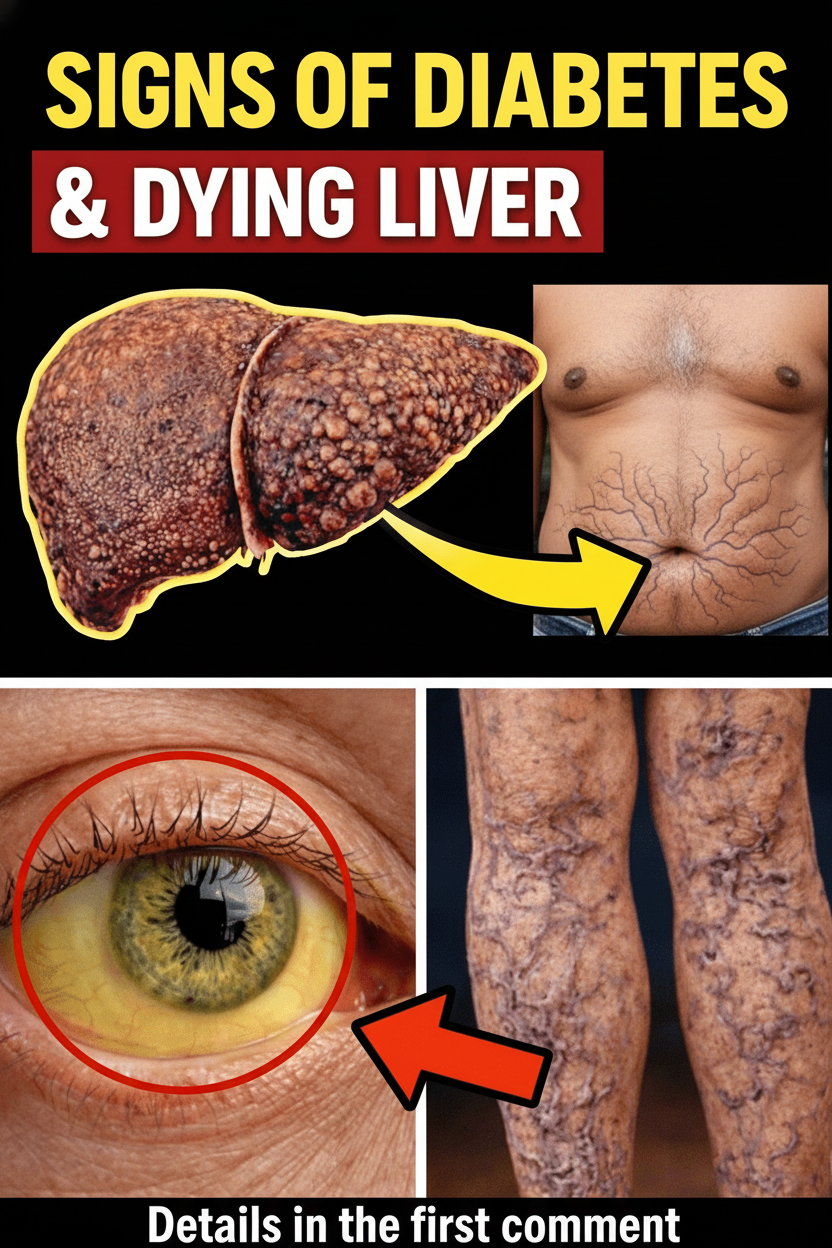
- Spider Angiomas (Spider Veins): The sudden appearance of delicate, web-like red blood vessels, often radiating from a central point on areas like the chest, face, or arms, is known as spider angiomas. These can signify hormonal imbalances, as a less efficient liver struggles to adequately metabolize and clear certain hormones from the bloodstream.
- Unusually Pale or Clay-Colored Stools: A noticeable change in stool color, particularly if it becomes consistently lighter, chalky, or clay-like, warrants attention. This often suggests that insufficient bile, a digestive fluid produced by the liver, is reaching the intestines. Bile is essential for fat digestion and gives stool its characteristic brown hue.
- Chronic, Unexplained Itching: Experiencing persistent, intense itching across your body, especially on the palms of your hands and soles of your feet, without any visible rash or skin irritation, can be incredibly bothersome. This pruritus may be caused by the accumulation of bile salts or other waste products in the bloodstream that the liver is failing to process effectively, irritating nerve endings.
- Jaundice (Yellowish Skin or Eyes): Perhaps one of the most recognizable signs, jaundice manifests as a distinct yellowish discoloration of the skin and the whites of the eyes. This occurs due to an excessive buildup of bilirubin, a yellow pigment formed from the breakdown of red blood cells, which a healthy liver typically processes and eliminates. A sluggish liver allows bilirubin to accumulate in the blood.
Beyond the Visible: Other Everyday Indicators
While some liver signals are outwardly visible, many others manifest as more general, yet equally important, shifts in your daily well-being. These often get overlooked but deserve careful consideration:
- Persistent, Debilitating Fatigue: Feeling profoundly exhausted and drained, even after sufficient sleep, is a common complaint. A struggling liver may not efficiently detoxify the body or process nutrients into usable energy, leading to a pervasive sense of low energy and lethargy.
- Brain Fog or Cognitive Impairment: Experiencing difficulty concentrating, memory lapses, or a general haziness in thought can be alarming. When the liver is compromised, it may allow toxins, such as ammonia, to accumulate and cross the blood-brain barrier, affecting neurological function and leading to what is often described as “brain fog.”
- Recurrent Nausea or Loss of Appetite: Persistent feelings of queasiness, nausea, or a noticeable decrease in appetite can significantly impact daily life. An impaired liver may struggle to process toxins and fats, leading to digestive upset and a general aversion to food.
- Dull Ache or Discomfort in the Upper Right Abdomen: A subtle, persistent ache, tenderness, or feeling of fullness beneath your right rib cage can be a direct signal. This area is where your liver is located, and discomfort here might suggest inflammation or a slight enlargement of the organ.
- Unexplained Weight Loss or Gain: Significant, unintentional fluctuations in weight, whether a sudden drop due to loss of appetite or an unexpected gain, can be linked to liver issues. The liver’s role in metabolism, hormone regulation, and nutrient absorption means its dysfunction can profoundly impact body weight and appetite.
- Unusually Dark Urine: If your urine consistently appears darker than usual, resembling tea or cola, it could be a sign. This darkening is often due to an excess of bilirubin that the liver is unable to process, leading the kidneys to excrete it, resulting in a distinctively dark coloration.
Quick Reference: Liver Health Signals
For a concise overview, here’s a summary of the subtle signs and their potential underlying causes:
| Sign | Primary Area Affected | Associated Liver Function Issue |
|---|---|---|
| Unexplained Bruising / Red Spots | Skin, Blood Coagulation | Impaired clotting factor production |
| Swelling (Edema) | Legs, Ankles, Abdomen | Reduced albumin synthesis; fluid imbalance |
| Spider Angiomas | Skin (Chest, Face, Arms) | Hormone metabolism disruption |
| Pale Stools | Digestive System | Insufficient bile flow to intestines |
| Chronic Itching | Skin (Generalized) | Accumulation of bile salts/toxins |
| Jaundice | Skin, Eyes | Excessive bilirubin buildup |
| Persistent Fatigue | Energy Levels, Overall Vitality | Inefficient detoxification; nutrient processing issues |
| Brain Fog / Confusion | Cognitive Function | Toxin accumulation affecting brain |
| Recurrent Nausea / Loss of Appetite | Digestive System, Metabolism | Toxin accumulation; impaired fat processing |
| Upper Right Abdominal Discomfort | Liver Region | Inflammation or enlargement of the liver |
| Unexplained Weight Changes | Body Weight, Appetite | Metabolic and hormonal dysregulation |
| Unusually Dark Urine | Urinary System | Bilirubin spillover into urine |
Empowering Your Liver: Everyday Habits for Optimal Health
Nurturing your liver doesn’t require drastic measures; rather, it thrives on small, consistent, and conscious lifestyle adjustments that collectively yield significant benefits. By incorporating these evidence-backed practices into your daily routine, you can actively support your liver’s incredible functions:
- Prioritize a Nutrient-Rich Diet: Focus on consuming a diverse array of whole, unprocessed foods. This includes an abundance of fresh vegetables and fruits, lean protein sources (like fish, poultry, legumes), and complex carbohydrates from whole grains. These foods provide essential vitamins, minerals, and antioxidants crucial for liver detoxification and repair.
- Maintain Optimal Hydration: Drink plenty of pure water throughout the day. Adequate hydration is fundamental for all bodily functions, including helping the kidneys flush out waste products that the liver has processed.
- Minimize Harmful Intakes: Drastically reduce or eliminate processed foods, sugary drinks, unhealthy fats, and excessive alcohol consumption. These substances place a heavy burden on the liver, forcing it to work overtime to metabolize and detoxify them.
- Engage in Regular Physical Activity: Incorporate consistent movement into your day, whether it’s brisk walking, cycling, yoga, or strength training. Physical activity helps manage weight, improves insulin sensitivity, and reduces liver fat, all of which are vital for maintaining a healthy liver.
Listening to your body and understanding these subtle signals is the first step towards proactive health. If you notice any of these signs, particularly if they are persistent or worsening, it is crucial to consult a healthcare professional for an accurate diagnosis and personalized advice. Your liver works tirelessly for you; it’s time to return the favor.