 By admin
 Nourish Your Vision: Three Everyday Seeds for Healthy Eyes as You Age
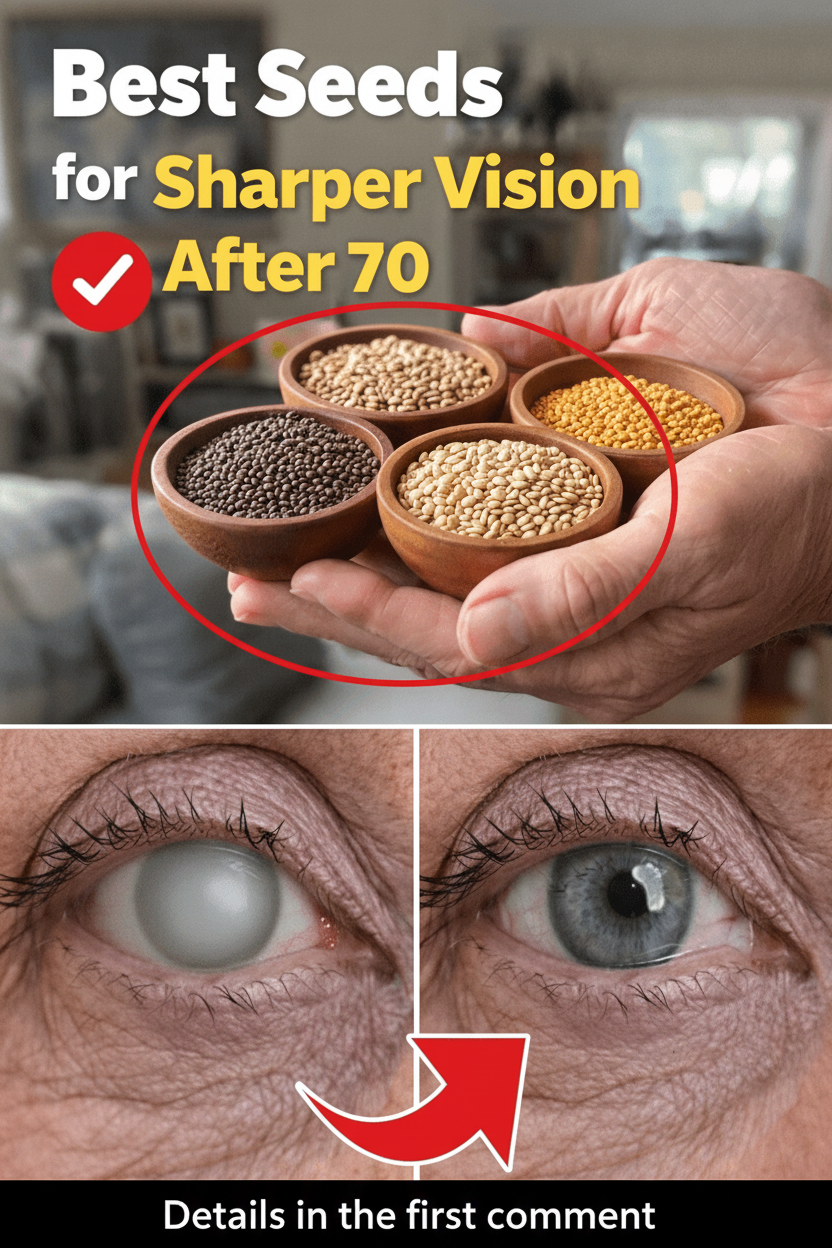
As we age, many individuals experience natural shifts in their visual acuity, from struggling with small text to adapting to dim lighting. These common age-related vision changes can impact daily life, making cherished activities like reading or spending time with loved ones feel less effortless. The encouraging news is that incorporating specific nutrient-dense foods into your diet can proactively contribute to maintaining optimal eye health. This article will unveil three unassuming yet powerful seeds backed by scientific research for their potential to support healthy vision, along with straightforward methods to integrate them into your daily regimen.
Understanding Age-Related Vision Changes
The human eye, a marvel of biological engineering, naturally undergoes various transformations as we advance in years. A critical component, the retina—responsible for converting light into signals the brain interprets as images—is constantly exposed to environmental stressors, including UV radiation from sunlight and blue light from digital screens. Scientific investigations consistently highlight oxidative stress as a significant factor in the development of numerous age-related ocular conditions. For example, staggering statistics from the CDC and JAMA Ophthalmology reveal that close to 20 million Americans aged 40 and above contend with some form of age-related macular degeneration (AMD).
Yet, there’s a beacon of hope: pivotal research, notably the Age-Related Eye Disease Studies (AREDS and AREDS2), has demonstrated that specific nutrients—such as potent antioxidants, essential zinc, and beneficial omega-3 fatty acids—can play a crucial role in preserving retinal health when acquired through dietary sources. This is precisely where the humble, everyday seed shines, offering a concentrated natural reservoir of these vital vision-supporting compounds.
Why Seeds Are a Smart Choice for Eye Nutrition
Despite their diminutive size, seeds are veritable powerhouses of nutrition, delivering an impressive array of vitamins, minerals, and beneficial healthy fats in an incredibly convenient package. A key advantage of whole foods like seeds, over isolated supplements, lies in their synergistic blend of nutrients that work in harmony within the body. Numerous observational studies and scientific reviews consistently indicate that dietary patterns abundant in plant-derived omega-3s, zinc, and various antioxidants are strongly correlated with superior long-term eye health outcomes. Now, let’s delve into three particular seeds that have garnered significant attention in scientific literature for their exceptional contributions to ocular wellness.
Chia Seeds: An Abundant Source of Plant-Based Omega-3s
Chia seeds have earned their superfood status, primarily due to their remarkable concentration of alpha-linolenic acid (ALA), a vital plant-derived omega-3 fatty acid. The human body possesses the fascinating ability to convert ALA into other forms of omega-3s crucial for maintaining robust retinal function. Authoritative sources, including the American Optometric Association and extensive research reviews, underscore the multifaceted benefits of omega-3s, particularly their efficacy in mitigating inflammation and promoting healthy tear production—a significant advantage for alleviating dry eyes, a prevalent concern among older adults.
Here’s how chia seeds can bolster your vision:
- Deliver essential ALA, crucial for supporting the structural integrity and health of retinal cells.
- Supply potent antioxidants that actively neutralize harmful oxidative stress within ocular tissues.
- Offer a significant source of dietary fiber, promoting overall digestive health, which indirectly supports systemic wellness.
Incorporating a single tablespoon daily is effortlessly simple; just stir them into your morning yogurt, oatmeal, or blend into a refreshing smoothie. But our journey into vision-supporting seeds doesn’t end here…
Flax Seeds: A Complementary Omega-3 Powerhouse
Similarly, ground flax seeds stand as another exceptional source of ALA omega-3 fatty acids. Peer-reviewed studies, often featured in leading ophthalmology journals, indicate that these beneficial fatty acids may offer significant protective effects against inflammatory processes that can lead to age-related changes in the eyes. Flax seeds are frequently recommended in conjunction with chia seeds for individuals seeking comprehensive plant-based omega-3 intake.
Their remarkable benefits extend to:
- Assisting in maintaining adequate moisture levels within the eyes, contributing to comfort and clarity.
- Supplying lignans, unique plant compounds recognized for their powerful antioxidant capabilities.
- Promoting healthy systemic blood flow, which is vital for delivering nutrients to delicate ocular structures.
For optimal absorption, it’s advisable to grind flax seeds fresh before consumption and store them in the refrigerator to preserve their freshness and potency. Now, let’s introduce the third remarkable seed completing our vision-boosting trio.
Pumpkin Seeds: A Treasure Trove of Zinc and Vitamin E
Moving beyond omega-3s, pumpkin seeds, also known as pepitas, distinguish themselves with their impressive zinc content. Zinc is an indispensable mineral, playing a crucial role in transporting vitamin A from the liver to the retina, where it’s essential for vision. This mineral is, in fact, highly concentrated in various eye tissues. The landmark AREDS studies unequivocally demonstrated that zinc, when combined with other antioxidants, significantly supported eye health in participants diagnosed with intermediate age-related macular degeneration (AMD). Furthermore, pumpkin seeds are a good source of vitamin E, another potent antioxidant.
Their key vision-supporting nutrients include:
- Zinc: Absolutely vital for robust retinal support and the efficient utilization of Vitamin A.
- Vitamin E: A powerful antioxidant that safeguards delicate eye cells from oxidative damage.
- Healthy Fats: Facilitate the absorption of fat-soluble vitamins like Vitamin E, maximizing their benefits.
Enjoying a small handful provides a satisfying and nutrient-rich snack, perfect for bolstering your ocular health.
Comparing the Trio: A Snapshot of Vision-Boosting Seeds
To provide a clear perspective on the unique contributions of each seed, here’s a concise overview of their primary nutrients, potential benefits for eye health, and recommended daily servings:
| Seed | Key Nutrients | Potential Eye Support | Suggested Serving |
|---|---|---|---|
| Chia Seeds | Omega-3 (ALA), Antioxidants, Fiber | Promotes retinal cell health, maintains ocular moisture, combats oxidative stress | 1 Tablespoon |
| Flax Seeds | Omega-3 (ALA), Lignans, Fiber | Helps reduce ocular inflammation, offers cellular protection, supports healthy blood flow to eyes | 1 Tablespoon (ground) |
| Pumpkin Seeds | Zinc, Vitamin E, Healthy Fats | Essential for retinal function, powerful antioxidant defense, aids nutrient absorption | 1 Ounce (approx. a small handful) |
It’s crucial to remember that scientific findings frequently underscore the superior bioavailability of these nutrients when consumed as part of whole foods, rather than in isolated supplement forms, ensuring your body can utilize them most effectively.
Effortless Integration: Adding These Seeds to Your Daily Diet
Enriching your diet with these vision-supporting seeds is surprisingly simple and requires minimal effort. Here are some practical and delicious ways to make them a regular part of your routine:
- Morning Power-Up: Begin your day by soaking 1 tablespoon of chia seeds in your favorite yogurt, oatmeal, or a plant-based milk overnight for a delightful, pudding-like texture.
- Lunchtime Enhancement: Elevate your midday meal by sprinkling 1 tablespoon of freshly ground flax seeds over your salads, into soups, or mixed into dressings.
- Satisfying Evening Snack: For a nutritious and crunchy treat, enjoy 1 ounce of pumpkin seeds. Lightly toasting them at 350°F (175°C) for a few minutes can significantly enhance their flavor and aroma.
Pro Tips for Maximizing Benefits:
- Soak Chia Seeds: Soaking chia seeds helps release their nutrients and makes them easier to digest.
- Grind Flax Seeds Fresh: Whole flax seeds can pass through the digestive system undigested. Grinding them fresh just before use ensures you absorb all their beneficial omega-3s.
- Store Seeds Properly: Keep all seeds in airtight containers in a cool, dark place, or the refrigerator, to maintain their freshness and prevent rancidity.
By making these small, consistent dietary adjustments, you can proactively nourish your eyes and support healthy vision for years to come. Start incorporating these remarkable seeds today and experience the difference!