 By admin
 7 Critical Nighttime Signs of High or Low Blood Sugar in Diabetes You Must Not Overlook
For millions living with diabetes, the journey often extends beyond daytime management, impacting the quality of sleep. Uncontrolled blood sugar levels during the night can significantly disrupt rest, leading to a cascade of issues from exhaustion to impaired daily function. Experiencing frequent awakenings, unexplained night sweats, or other unusual sleep disturbances could be your body signaling underlying blood sugar imbalances that demand attention. This persistent cycle of poor sleep and daytime fatigue can be incredibly frustrating, especially when conventional sleep remedies offer little lasting relief. Recognizing these subtle yet critical nighttime indicators of high or low blood sugar is not just about improving sleep—it’s about empowering you with the knowledge to manage your diabetes more effectively. This article will unveil seven common nighttime signs associated with fluctuating blood glucose, offering practical strategies to reclaim your nights and enhance your overall well-being. Stay with us for a vital insight at the conclusion.
Why Nocturnal Blood Sugar Variations Deserve Your Attention
While we slumber, our blood sugar levels are far from static. For individuals managing diabetes, these nocturnal shifts—whether a significant drop (hypoglycemia) or a sharp rise (hyperglycemia)—pose unique challenges. During sleep, continuous monitoring is often absent, making these fluctuations potentially more perilous and harder to detect. Scientific studies consistently highlight how sleep disturbances caused by erratic blood glucose can detrimentally impact insulin sensitivity, subsequently leading to elevated average blood sugar levels over extended periods. It’s a common misconception that effective daytime diabetes management automatically ensures peaceful nights. Many find themselves questioning why a well-planned evening meal and consistent medication don’t prevent interrupted sleep. The reality is, overnight changes frequently go undetected until overt symptoms manifest. Proactive recognition of these critical indicators can profoundly influence your daily vitality and contribute significantly to your long-term health outcomes.
1. Unexplained Night Sweats: A Key Indicator of Low Blood Sugar
Discovering your sheets are damp upon waking, even when your bedroom is cool, can be a disquieting experience. This phenomenon is frequently a tell-tale sign of nocturnal hypoglycemia, where blood glucose levels dip dangerously low during sleep. In response to this energy deficit, your body releases stress hormones, such as adrenaline, prompting an increase in perspiration. Renowned institutions like Johns Hopkins Medicine underscore the strong link between profuse sweating and episodes of low blood sugar overnight.
What to do:
- Measure your blood sugar before retiring for the night.
- Ensure you have a readily accessible fast-acting carbohydrate source, such as glucose tablets, by your bedside.
- If night sweats become a regular occurrence, it’s imperative to consult your healthcare provider to discuss potential medication adjustments or dietary changes.
2. Frequent Nocturnal Urination (Nocturia)
Repeatedly waking during the night to urinate, a condition known as nocturia, severely fragments restorative deep sleep, leaving you feeling exhausted and unrefreshed. Elevated blood sugar levels compel the kidneys to work overtime, attempting to filter out excess glucose by drawing additional fluid from your tissues. This results in a significantly increased urine volume produced overnight. This particular symptom is among the most commonly reported nocturnal challenges in diabetes management.
Practical Steps:
- Carefully monitor your blood sugar patterns, especially in the hours leading up to bedtime.
- Reduce fluid intake several hours before you plan to sleep.
- Focus on consuming well-balanced meals earlier in the day to help stabilize glucose levels.
- Keeping a log of your nighttime bathroom visits can be invaluable for identifying patterns and discussing with your doctor.
3. Restless Legs Syndrome or Unsettling Leg Sensations
Experiencing an overwhelming, uncontrollable compulsion to move your legs, frequently accompanied by tingling, crawling, or aching sensations, often intensifies when you lie down to rest. Persistently high blood sugar levels can, over time, lead to nerve damage, a condition known as peripheral neuropathy, which significantly contributes to these uncomfortable feelings. It’s well-documented that restless legs syndrome (RLS) has a higher prevalence among individuals with diabetes.
Tips for Relief:
- Incorporate gentle evening strolls or stretching exercises into your routine to alleviate discomfort.
- Limit or avoid caffeine consumption in the latter part of the day.
- Evidence suggests a strong correlation between improved blood sugar management and a reduction in nerve-related symptoms.
4. Abrupt Leg Cramps
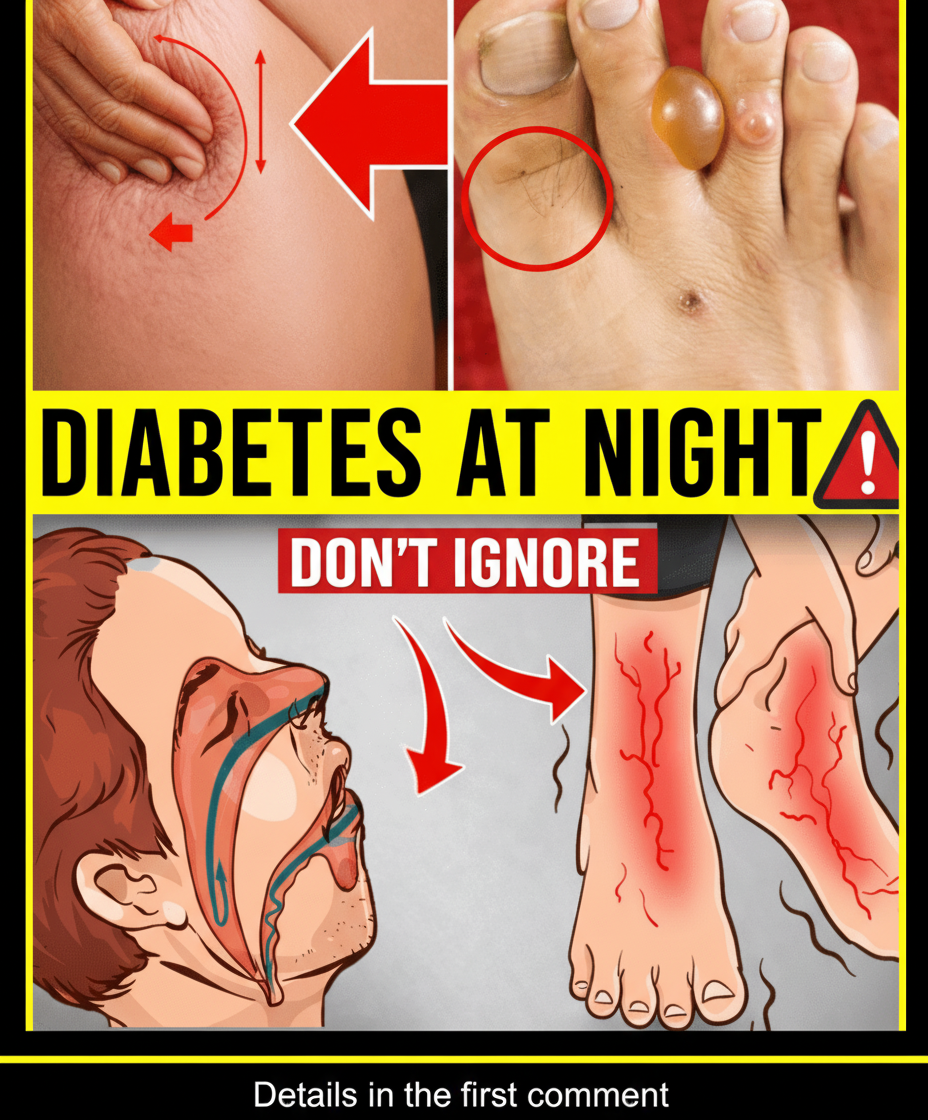
Sharp, agonizing spasms or a sudden, painful tightening in the calf muscles or feet can abruptly rouse you from sleep. These disruptive cramps are often linked to imbalances in electrolytes or alterations in circulation, which can be exacerbated by sustained high blood sugar levels. Furthermore, inadequate hydration throughout the night can intensify their occurrence.
Tips for Relief:
- Maintain optimal hydration levels by drinking sufficient water throughout the day.
- Perform gentle leg stretches prior to bedtime.
- Integrate potassium and magnesium-rich foods into your diet.
- Diligent and consistent blood sugar monitoring frequently leads to a decrease in the frequency of these painful episodes.
5. Persistent Thirst or Dry Mouth Upon Awakening
Waking up with an overwhelming sensation of thirst or an uncomfortably dry mouth, often necessitating multiple sips of water throughout the night, is a common indicator. This symptom is directly related to elevated blood sugar levels, which pull fluid from your body’s tissues in an attempt to excrete excess glucose, mirroring the mechanism behind nocturia. While having a glass of water at your bedside offers immediate, temporary relief, the most effective long-term solution involves addressing and optimizing your daytime blood sugar management patterns.
6. Irregular Breathing Patterns or Loud Snoring (Potential Sleep Apnea Connection)
Intermittent pauses in breathing during sleep, coupled with excessively loud snoring, can severely compromise oxygen saturation and overall sleep quality. Obstructive sleep apnea (OSA) is notably more common among individuals with diabetes and can exacerbate insulin resistance, creating a detrimental feedback loop: inadequate sleep negatively impacts blood sugar control, and poorly managed blood sugar can, in turn, worsen sleep patterns.
Recommendations:
- Adopting a side-sleeping position or implementing weight management strategies can often contribute to improved nocturnal rest.
- If sleep apnea is suspected, diagnostic screening is a relatively simple process and highly recommended.
7. Waking Up Disoriented, Shaky, or Anxious (Nocturnal Hypoglycemia)
Awakening in a state of confusion, disorientation, or experiencing tremors and shakiness are strong indicators of nocturnal hypoglycemia. This profound drop in blood sugar during sleep can also manifest as intense nightmares, sudden agitation, or a feeling of anxiety without clear cause. The brain, deprived of its primary energy source (glucose), struggles to function optimally, leading to these cognitive and physical symptoms. Recognizing these signs is crucial, as severe nocturnal hypoglycemia can be dangerous.
Immediate Actions & Prevention:
- If you experience these symptoms, check your blood sugar immediately.
- Consume a quick source of glucose (e.g., glucose tablets, juice, or hard candy).
- Discuss these episodes promptly with your healthcare team to adjust your medication, meal plan, or bedtime snack.
- Consider a continuous glucose monitor (CGM) for better overnight tracking.
Take Control of Your Nights and Health
Understanding and proactively addressing these seven nighttime signs of blood sugar fluctuations is a pivotal step in effective diabetes management. By recognizing your body’s signals and working closely with your healthcare provider, you can significantly improve your sleep quality, reduce the risks associated with nocturnal hyperglycemia and hypoglycemia, and ultimately enhance your overall well-being. Don’t let interrupted sleep be an overlooked aspect of your diabetes journey. Empower yourself with knowledge, take action, and look forward to more restful nights and energetic days.