 By admin
 The pursuit of a radiant, smooth complexion often leads individuals to explore natural, readily available ingredients for their skincare regimen. Among these, baking soda, a common household staple, frequently surfaces in discussions about homemade face masks designed for mild exfoliation. This begs the question: is it truly a beneficial option for your skin, and if so, how can it be used safely? With age, our skin’s natural renewal process slows, causing a build-up of dead skin cells that can diminish its natural glow and lead to a dull, uneven appearance. Gentle exfoliation effectively removes these surface layers, unveiling the fresher, more vibrant skin beneath. This is where accessible DIY skincare solutions can be appealing, but selecting the right approach is paramount for both efficacy and avoiding irritation. Continue reading to discover the potential role of baking soda in exfoliation, explore some straightforward recipes for occasional use, and learn crucial expert advice for maintaining healthy, happy skin.
Understanding Baking Soda and Its Interaction with Skin
Due to its finely granular consistency, baking soda functions as a mild physical exfoliant. When prepared as a paste, it can gently help slough off dead skin cells from the skin’s surface. Furthermore, certain studies and anecdotal reports suggest it possesses potential antimicrobial qualities, which could contribute to a clearer complexion in specific situations. Broadly speaking, the process of exfoliation is known to enhance skin texture and luminosity by encouraging cellular turnover. For instance, the careful removal of accumulated surface cells significantly improves the skin’s ability to absorb hydrating serums and moisturizers.
Crucially, baking soda is highly alkaline, with a pH level around 9. This stands in stark contrast to the skin’s natural protective barrier, which is slightly acidic (typically pH 4.5-5.5). This significant pH imbalance is precisely why many dermatological experts recommend exercising caution; improper or excessive use can potentially result in dryness, irritation, or increased skin sensitivity. The cornerstone of safe usage lies in moderation and keenly observing your skin’s individual response, as reactions can vary widely. Moreover, combining baking soda with complementary, soothing ingredients can help mitigate potential adverse effects. Now, let’s delve into some simple, practical recipes.
Simple DIY Baking Soda Face Mask Recipes to Create at Home
The following recipes utilize everyday ingredients to formulate gentle exfoliating pastes. Before applying any mask to your face, it is imperative to perform a patch test: dab a small quantity onto a discreet area, such as your inner arm, and wait 24 hours to monitor for any adverse reactions.
Basic Baking Soda and Water Paste for Mild Exfoliation
For an occasional, straightforward exfoliating treatment, this basic paste is ideal. Combine 1 teaspoon of baking soda with just enough water to achieve a smooth, thin paste consistency. Delicately massage the mixture onto damp facial skin using gentle circular motions for 30 to 60 seconds. Ensure you rinse your face completely with lukewarm water afterward, and always follow up with a hydrating moisturizer. Limit this treatment to no more than one to two times per week. Many users report an immediate sensation of smoother skin after application.
Baking Soda and Honey Mask for Soothing Hydration
Incorporating honey introduces natural moisturizing and soothing benefits to your mask. Blend 1 teaspoon of baking soda with 1 tablespoon of raw honey until well combined. Apply this mixture to clean skin and allow it to sit for 5 to 10 minutes. Rinse off gently with water and then apply your usual moisturizer. Honey’s natural humectant properties are particularly effective at counteracting any potential dryness that might arise from the baking soda. Users with normal to dry skin types often find this combination especially comforting and beneficial.
Baking Soda and Coconut Oil Blend for Enhanced Moisture
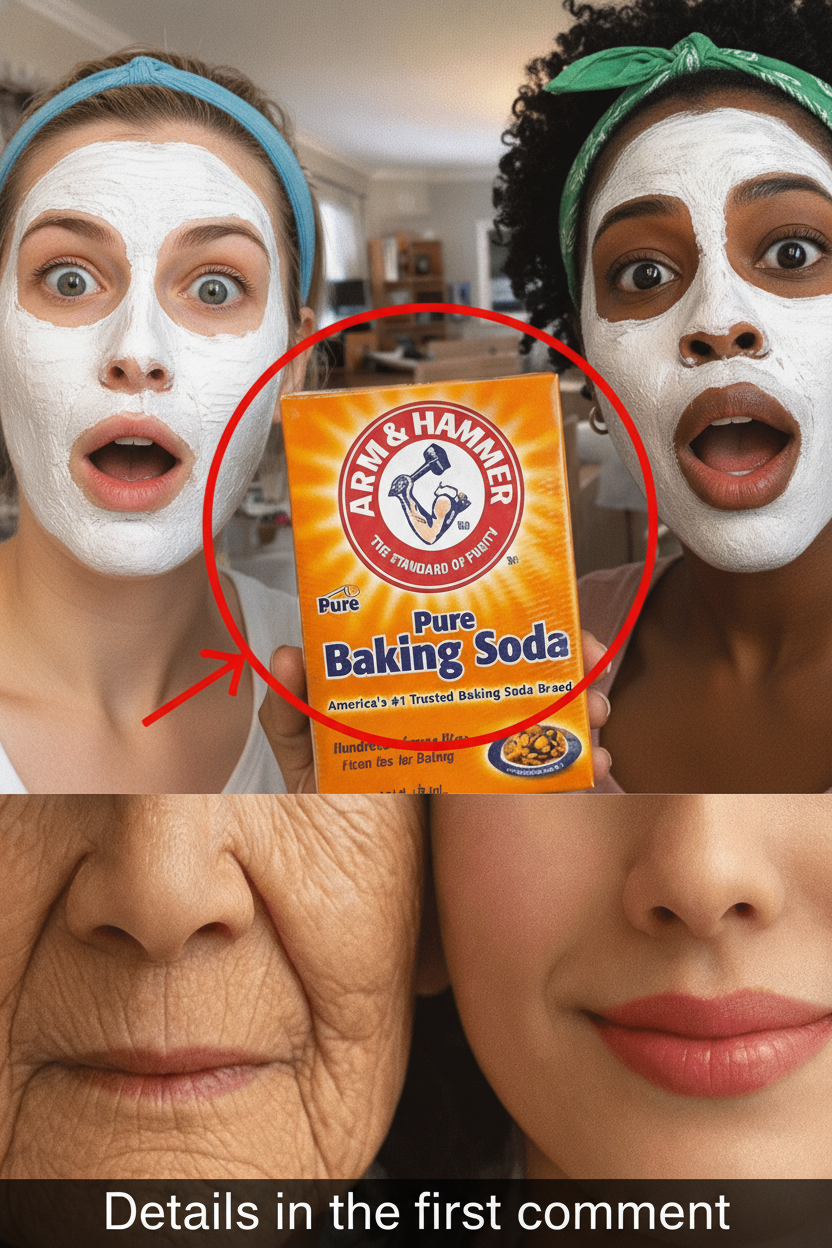
For those seeking additional nourishment, coconut oil makes an excellent addition. Thoroughly mix 1 teaspoon of baking soda with 1 teaspoon of virgin coconut oil. Lightly massage the blend onto your face, taking care to avoid the delicate eye area. Allow it to remain on your skin for 5 minutes before rinsing thoroughly. This particular variation is well-suited for individuals desiring a boost of hydration. Research consistently points to coconut oil’s significant emollient properties, making it a good choice for moisturizing.
Baking Soda and Yogurt Option for Brighter Skin Support
The inclusion of yogurt introduces lactic acid, providing a mild chemical exfoliation that complements baking soda’s physical action. Combine 1 teaspoon of baking soda with 2 tablespoons of plain yogurt, mixing until smooth. Apply the mixture evenly across your face and allow yourself to relax for approximately 10 minutes. Rinse off thoroughly and gently pat your skin dry. Scientific research consistently supports the efficacy of lactic acid in promoting a smoother skin texture over time.
| Mask Type | Key Ingredients | Best For | Leave-On Time |
|---|---|---|---|
| Basic Paste | Baking soda + water | Quick exfoliation | Rinse immediately |
| Honey Blend | Baking soda + honey | Soothing hydration | 5-10 minutes |
| Coconut Oil Mix | Baking soda + coconut oil | Nourishing feel | 5 minutes |
| Yogurt Version | Baking soda + yogurt | Added brightness support | 10 minutes |
It’s important to reiterate that these DIY face masks are intended for occasional indulgence, not as a part of a daily skincare regimen. For many who incorporate these treatments sparingly, the rewarding outcome is noticeably softer, more radiant skin after just a few applications. However, individual results can differ, and the most significant factor in achieving lasting skin health and beauty remains consistent, gentle care.
Safety Guidelines and When to Avoid Baking Soda for Skincare
For routine exfoliation, dermatologists frequently suggest opting for milder alternatives such as fine oatmeal scrubs or enzyme-based products. Baking soda is not universally suitable and should be approached with particular caution by individuals with sensitive, dry, or condition-prone skin types.
Potential concerns from using baking soda on skin include:
- Experiencing temporary dryness or a feeling of tightness
- Increased irritation, especially with frequent application
- Potential disruption of the skin’s delicate natural pH balance
Always remember to:
- Conduct a patch test prior to full application
- Employ it sparingly, limiting use to a maximum of 1-2 times per week
- Steer clear of applying it to broken skin or near the sensitive eye area
- Discontinue use immediately if any redness, irritation, or discomfort arises
Should you have persistent or significant skin concerns, it is always advisable to consult with a qualified dermatologist for personalized guidance and treatment.