 By admin
 As seasons shift, many of us contend with common discomforts such as nasal congestion or a persistent scratchy throat, which can make even simple breathing feel like an effort. These minor, yet persistent, irritations can diminish our overall well-being, prompting a search for straightforward, natural remedies. Often, the most potent solutions are closer than we think, thriving unnoticed in our own backyards. One such botanical marvel is the purple deadnettle, a versatile herb that has been a staple in traditional wellness practices for centuries. This comprehensive guide will unveil the secrets of this often-overlooked plant, from its distinct identification features to its numerous practical applications. Read on to discover how this humble wild edible can enrich your natural health regimen, and don’t miss our unique tip for incorporating it into your daily life.
What Is Purple Deadnettle?
Purple deadnettle, or Lamium purpureum as it’s known scientifically, is a fascinating annual plant belonging to the expansive mint family (Lamiaceae). This resilient low-grower is a familiar sight in gardens, lawns, and various disturbed soils across diverse climates. Flourishing particularly well in cooler temperatures, you’ll often spot its vibrant presence from early spring through late autumn. Typically reaching heights of up to 12 inches, this backyard plant is characterized by its distinctive square stems – a tell-tale sign of its mint lineage. Its soft, heart-shaped leaves feature gently serrated edges and grow in opposite pairs along the stem. The plant’s common name derives from the striking purplish hue often found on its upper leaves, especially in cooler conditions. Adding to its charm are the small, tubular flowers, which emerge in dense clusters at the stem tips, varying in shades from delicate pink to rich purple. These blossoms are not only beautiful but also vital for attracting beneficial pollinators, such as bees. Originally indigenous to Europe and Asia, Lamium purpureum has since spread and naturalized extensively throughout North America. Crucially, despite its “nettle” moniker, it lacks the stinging hairs of true nettles, making it entirely safe to touch and handle.
How to Identify Purple Deadnettle in Your Yard
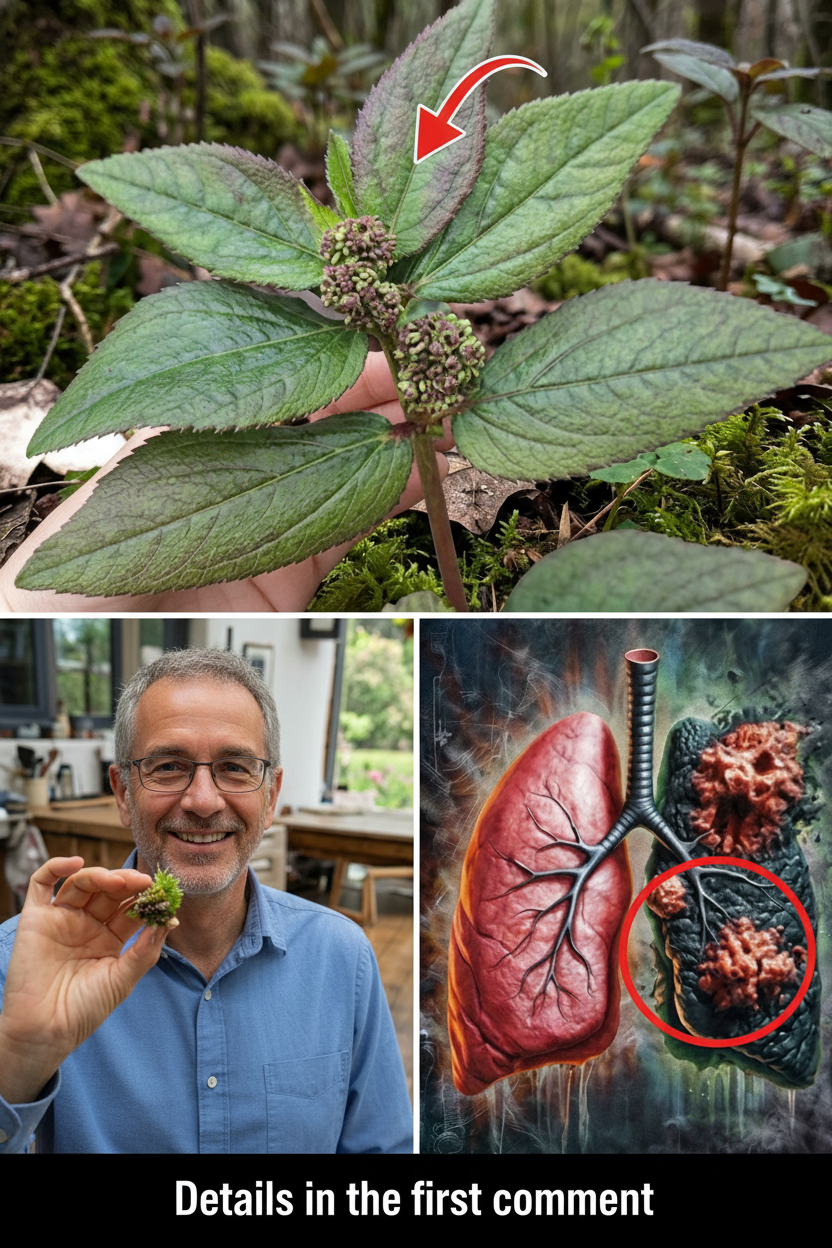
Successfully identifying purple deadnettle in your garden or lawn is straightforward once you know what to look for. Begin by examining its stem: true to its mint family roots, the stems are distinctly square. A simple test is to gently roll the stem between your thumb and forefinger; you’ll immediately notice its angular shape. Next, observe the leaves. They are characteristically soft and slightly fuzzy, with the upper leaves frequently displaying a beautiful reddish-purple tint, a feature that becomes more pronounced in cooler weather. The plant’s small, tubular flowers are another crucial plant identification marker. These bloom in tight, dense whorls at the stem tips, often resembling miniature snapdragon blossoms in striking shades of pink or magenta.
It’s important to distinguish purple deadnettle from its close relative, henbit (Lamium amplexicaule), which often grows alongside it. While similar, henbit typically has rounder leaves that clasp the stem and its flowers are more sparsely distributed. Purple deadnettle, in contrast, features denser flower clusters and more distinctly heart-shaped leaves. You’ll often find this beneficial wild edible growing in noticeable patches, so discovering one plant usually means many more are nearby. For absolute certainty, always cross-reference your findings with a trusted botanical field guide or a specialized plant identification application before harvesting or consuming any wild plant.
Traditional Uses of Purple Deadnettle
The purple deadnettle has a rich history of use, deeply embedded in folk medicine and traditional herbalism spanning many centuries. Revered for its gentle yet effective properties, this medicinal plant has been a go-to for various ailments. Modern research has begun to validate these traditional applications, revealing the presence of beneficial compounds such as flavonoids and phenolic acids. These potent phytochemicals are largely responsible for the plant’s notable antioxidant properties, which are believed to play a role in supporting robust cellular health throughout the body.
Historically, its soothing qualities made it a popular choice for topical applications, often employed to alleviate minor skin irritations and provide relief. Beyond external uses, certain cultures have traditionally prepared purple deadnettle as a tea, consumed to promote digestive comfort, particularly around mealtimes. Scholarly publications, including insights from the Journal of Ethnopharmacology, underscore its significant role in European herbal practices, where it has consistently been recognized for its broad spectrum of general wellness support.
Potential Benefits for Everyday Wellness
Integrating purple deadnettle into your lifestyle can offer a surprising array of wellness advantages, thanks to its diverse nutritional and phytochemical profile. For example, its notable vitamin C content contributes significantly to immune support, making it a valuable addition to a balanced diet. Furthermore, the polyphenols present in purple deadnettle contribute to its powerful antioxidant properties, which preliminary laboratory studies suggest may help the body combat the daily onslaught of oxidative stress, safeguarding cellular integrity.
For individuals exploring natural approaches to manage inflammation, early scientific investigations indicate purple deadnettle’s potential anti-inflammatory effects, though further comprehensive studies are warranted to fully understand these mechanisms. Beyond its direct health benefits, harvesting this plant from your own yard champions sustainability, lessening your dependence on commercially produced remedies and fostering a deeper connection to the natural world. This practice can also cultivate a sense of mindfulness, enriching your daily routine with a tangible link to nature’s abundance.
Supporting Respiratory Comfort Naturally
When seeking natural ways to bolster seasonal well-being, many individuals turn to time-honored herbal remedies. Purple deadnettle holds a respected position within this tradition, particularly for respiratory comfort. Historically, its leaves and flowers have been gently steeped in hot water to produce soothing infusions, often consumed during colder periods. Anecdotal accounts suggest that these preparations may assist in relieving occasional congestion by encouraging healthy mucus flow. Research published in Phytotherapy Research, exploring botanical relatives within the mint family, has also indicated potential mild expectorant qualities, which could contribute to clearer airways.
While purple deadnettle can be a supportive addition, it’s crucial to remember that it complements, rather than replaces, other fundamental healthy practices. Always prioritize adequate hydration, ensure you get plenty of fresh air, and consult with a healthcare professional for persistent or severe respiratory issues.
Nutritional Profile of Purple Deadnettle
Beyond its traditional medicinal uses, purple deadnettle is also a surprisingly nutrient-dense edible wild plant. Its fresh leaves are a valuable source of essential vitamins, including:
- Vitamin A: Crucial for maintaining healthy vision, immune function, and skin integrity.
- Vitamin C: A powerful antioxidant vital for immune system strength, collagen production, and overall cellular protection.
Incorporating this readily available plant into your diet can be a simple way to boost your intake of these important micronutrients, adding a touch of wild nutrition to your meals.
An Unexpected Way to Incorporate Purple Deadnettle
Now for that unique tip I promised! While teas and tinctures are common, one surprisingly delightful way to enjoy purple deadnettle is by using its fresh leaves as a vibrant, peppery addition to your culinary creations. Imagine a homemade pesto, but instead of just basil, you blend in a handful of fresh purple deadnettle leaves. Their subtle herbaceous and slightly earthy flavor, combined with a hint of peppery notes, can elevate pasta dishes, sandwiches, or even serve as a unique dip. Simply substitute a quarter to a third of your usual greens with purple deadnettle when making pesto, or chop them finely to sprinkle over salads and omelets for an added nutritional punch and intriguing flavor. It’s an easy, delicious, and unexpected way to embrace this remarkable backyard superfood into your daily routine, transforming your approach to natural eating.