 By admin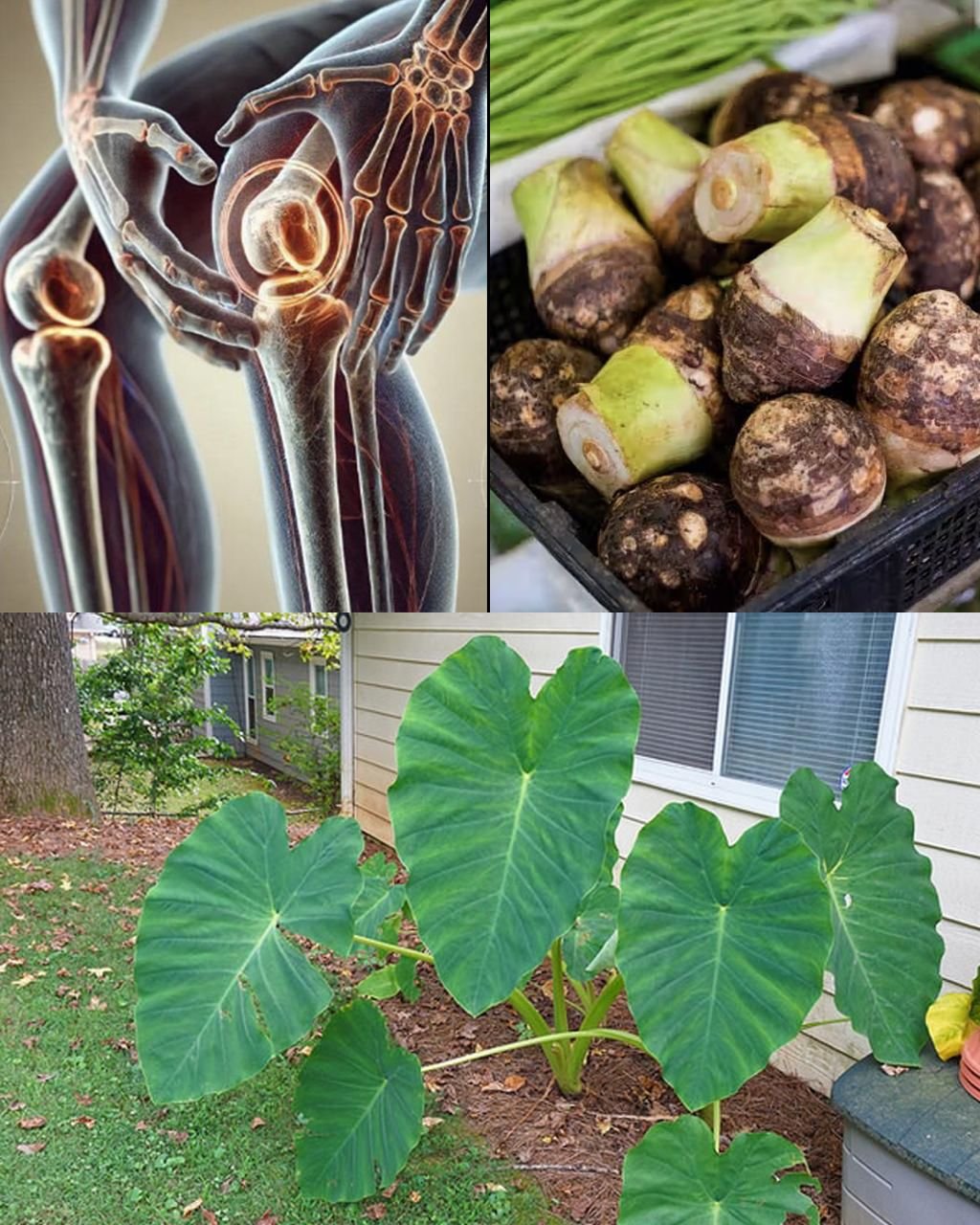
Tired of the same old root vegetables? Searching for a wholesome food that heals your body and supports the Earth?
Let me introduce you to taro—an ancient, nutrient-rich superfood that’s quietly transforming lives and sustainability across the globe.
Stick with me to the end and discover how this humble root (and its leafy greens) can energize your diet, improve your health, and help the planet—all in one go.
A Root With a 10,000-Year Legacy
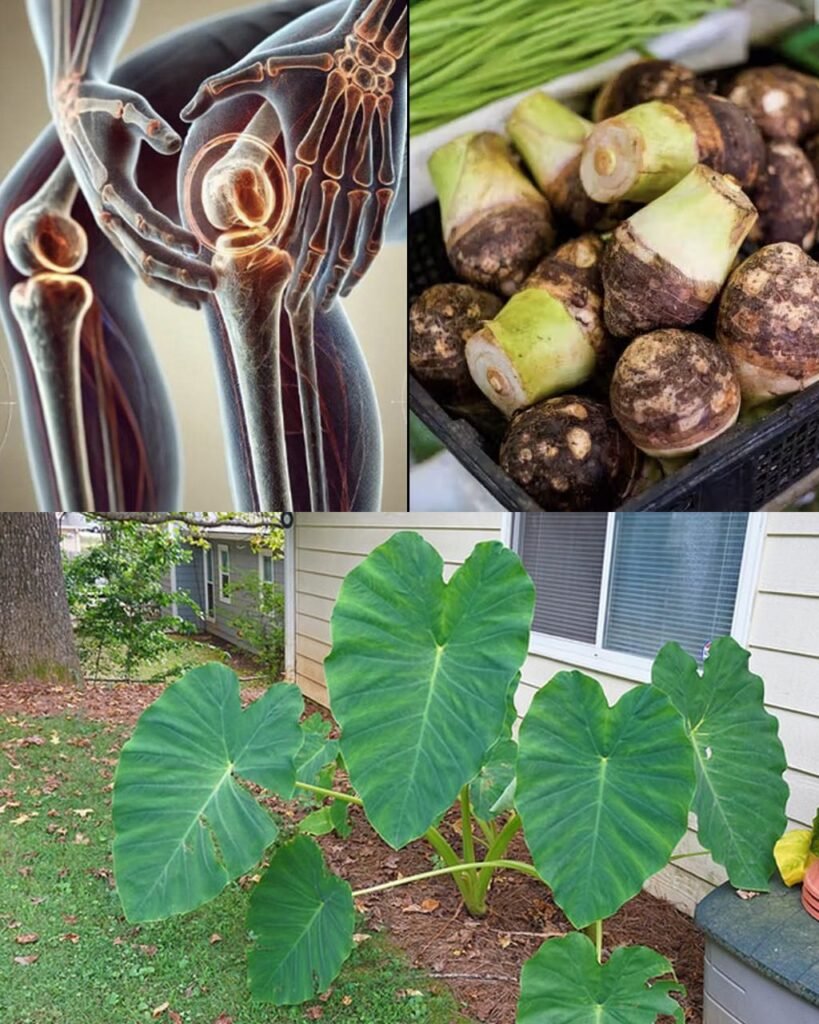
Taro, or Colocasia esculenta, isn’t just another starchy tuber. This plant has been nourishing civilizations from Southeast Asia to the Pacific Islands for over 10,000 years. Known as kalo in Hawaii, arbi in India, and dasheen in the Caribbean, taro is a symbol of resilience, adaptability, and nourishment.
Why Taro Root Deserves Superfood Status
Beneath its rough exterior lies a nutritional powerhouse:
-
Sustained Energy: Rich in complex carbohydrates, taro offers long-lasting fuel without spikes in blood sugar.
-
Gut-Friendly Fiber: High fiber aids digestion, balances blood sugar, and supports weight management.
-
Packed With Nutrients: Taro delivers vitamin C, vitamin E, potassium, magnesium, and manganese—supporting heart health, immunity, and strong bones.
-
Low Fat, Gluten-Free: Naturally low in fat and completely gluten-free, it’s perfect for clean eating.
Delicious Ways to Enjoy Taro
Taro’s slightly sweet, nutty flavor shines in both sweet and savory dishes. Just remember—always cook taro to eliminate natural irritants (calcium oxalate crystals).
-
Boiled or Steamed – Retains nutrients and pairs well with sauces.
-
Roasted or Fried – A tasty, healthier twist on potato chips.
-
Mashed Taro – A creamy, comforting alternative to mashed potatoes.
-
In Soups and Curries – Absorbs flavors beautifully.
-
Taro Desserts – Used in ice cream, cakes, and puddings in Asian cuisines.
Don’t Overlook the Leaves!
Taro leaves are just as powerful—rich in vitamins A and C, iron, and calcium. Cooked properly, they become tender and flavorful.
-
Laing – A beloved Filipino dish with coconut milk and spices.
-
Stuffed Leaves – Filled with rice, herbs, or minced meat.
-
Soups and Stews – Adds texture and nutrition.
Note: Like the root, always cook the leaves thoroughly to neutralize their natural irritants.
Beyond Nutrition: Taro’s Healing Powers
Modern science is beginning to validate what traditional healers always knew:
-
Supports Heart Health – Potassium balances blood pressure, while fiber lowers cholesterol.
-
Stabilizes Blood Sugar – Low glycemic index and resistant starch help manage diabetes.
-
Boosts Immunity – Antioxidants like vitamin E and beta-carotene protect against illness.
-
Improves Skin Health – Vitamin E helps repair skin and reduce aging signs.
Traditional Medicine & Cultural Roots
Taro has long been revered beyond the plate:
-
Ayurveda – Used topically for wounds and skin ailments.
-
Pacific Islands – Symbolizes fertility, life, and spiritual strength.
-
Chinese Medicine – Supports digestion and spleen health.
A Sustainable Crop for the Future
Taro grows in wet, poor soils where few crops can thrive. Its ability to grow in tough conditions makes it vital in areas facing climate stress. Every part of the plant is useful—nothing goes to waste.
From root to leaf, taro supports health, culture, and the planet.
How to Add Taro to Your Life
New to taro? Start with simple dishes like steamed root or taro soup. Once you love the flavor, branch out with taro mash, pancakes, or even taro flour for gluten-free baking.
The Bottom Line: Taro is Timeless
Taro is more than food—it’s a legacy of nourishment, healing, and sustainability. Whether you’re seeking better digestion, stronger immunity, or a deeper connection with your food, taro offers it all.
It’s time to rediscover this ancient gem. Cook it, savor it, and share it—it might just become your new favorite superfood.