 By admin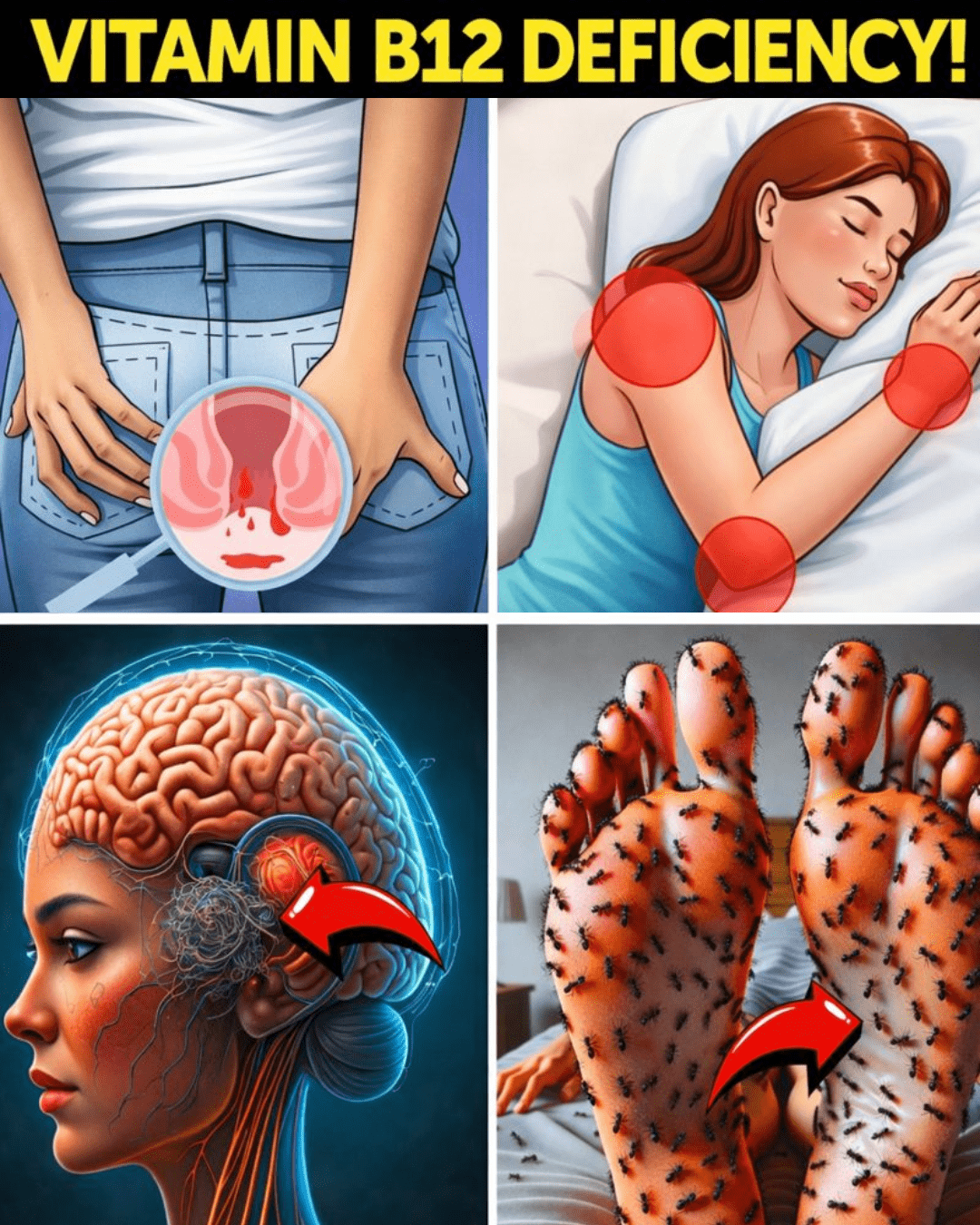
Many adults, especially those over 60, experience unexplained fatigue, mood dips, or odd sensations that disrupt daily life. Up to 20% of older adults in the United States and the United Kingdom may have low vitamin B12 levels, often due to age-related changes in absorption or diet. These subtle signals can build quietly, making you feel off without a clear reason, even after rest or lifestyle tweaks.
It’s frustrating when energy lags or sharpness fades, and it’s easy to blame stress or aging. But what if your body is simply signaling a need for more of this essential nutrient? Research shows vitamin B12 plays a key role in energy production, nerve health, and red blood cell formation. Stick with me as we explore these surprising signs—and discover straightforward ways to listen to your body’s cues.

Why Vitamin B12 Deficiency Is More Common Than You Think
Vitamin B12, also known as cobalamin, supports everything from oxygen transport in your blood to maintaining healthy nerves and brain function. Yet low levels affect millions, particularly as we age.
Studies indicate that nearly 20% of people over 60 have vitamin B12 deficiency, with marginal low levels even more widespread. Factors like reduced stomach acid, certain medications (such as long-term antacids or metformin), or plant-based diets without fortification can interfere with absorption.
But here’s the thing: These changes often creep in slowly. You might push through the day feeling drained or irritable, assuming it’s normal. The good news? Recognizing the signs early can make a big difference.
Ready to dive into the 8 strange warning signals? Let’s start with one that hits many people hardest.
Sign #1: Persistent Fatigue That Rest Doesn’t Fix
Feeling exhausted no matter how much you sleep? That heavy, unrelenting tiredness could point to low B12.
Vitamin B12 helps produce healthy red blood cells that carry oxygen throughout your body. When levels drop, oxygen delivery suffers, leading to ongoing fatigue.
Research links low B12 to anemia-like symptoms, where even simple tasks feel overwhelming. Many people notice this as a constant drain, not relieved by coffee or extra rest.
If you’ve been yawning through afternoons or crashing early, this might resonate. But fatigue is just the beginning…

Sign #2: Unexplained Mood Swings or Feeling Down
Snapping at loved ones or battling low moods without a trigger? Low B12 can disrupt brain chemicals.
B12 supports the production of neurotransmitters like serotonin, which regulate mood. Studies show deficiencies may contribute to irritability, anxiety, or depressive feelings.
It’s not uncommon for people to feel “off” emotionally before other signs appear. The frustrating part? These shifts can strain relationships or daily joy.
Self-check: How often do mood dips catch you off guard? Keep reading—the next sign might surprise you.
Sign #3: Pale or Slightly Yellowish Skin
Noticing your complexion looks washed out or subtly jaundiced? This odd change can stem from B12 issues.
Low B12 can cause red blood cells to break down prematurely, releasing a pigment that tints the skin. Research confirms this as a classic, yet often overlooked, marker.
Many dismiss it as lack of sun or tiredness, but it’s your body’s way of flagging inefficient oxygen transport.
Pause for a moment: Have you seen unexplained skin tone shifts lately? There’s more ahead.
You’ve made it through the first three signs—great progress!
Sign #4: A Sore, Red, or Swollen Tongue and Mouth Issues
Does your tongue feel inflamed, shiny, or painful when eating? This strange symptom, called glossitis, ties directly to B12.
Deficiency disrupts rapid cell turnover in the mouth, leading to soreness, ulcers, or a “beefy” red appearance. Studies highlight how low B12 affects tissue maintenance here.
It can make meals uncomfortable and spicy foods unbearable. Sound familiar?
The next one gets even weirder…

Sign #5: Tingling or Numbness in Hands and Feet
That pins-and-needles sensation or numbness creeping into your extremities? It’s unnerving—and often linked to B12.
B12 protects the myelin sheath around nerves. When deficient, peripheral neuropathy can develop, causing tingling, numbness, or a “crawling” feel.
Research ties untreated low B12 to nerve damage that starts subtly but can worsen. Many fear something more serious at first.
How often do you notice these sensations? We’re building momentum now.
Insider note: Forms like methylcobalamin may absorb better for some—worth discussing with a doctor.
Sign #6: Occasional Rapid or Irregular Heartbeat
Heart fluttering or racing out of nowhere? Low B12 can strain cardiovascular function.
It contributes to anemia, forcing the heart to work harder for oxygen delivery. Some studies note palpitations as a potential red flag.
These moments can feel scary, adding to daily worry. But addressing the root can help steady things.

Sign #7: Brain Fog or Memory Slip-Ups
Forgetting words or feeling mentally foggy? B12 supports nerve signals and cognitive health.
Deficiencies have been associated with concentration issues, memory lapses, or slower thinking in research.
It’s easy to brush off as busy life, but over time, it impacts confidence and productivity.
Almost there—one final sign ties it all together.
Sign #8: General Weakness or Balance Issues
Struggling with muscle strength, coordination, or unsteady steps? Untreated low B12 can affect overall stability.
Nerve and muscle function rely on B12; prolonged shortfalls may lead to weakness or gait problems, per scientific observations.
This compounding effect shows why early attention matters.
Congratulations—you’ve uncovered all 8 signs!
Common Symptoms and Their Potential B12 Connection
| Symptom | Possible Link to Low B12 |
|---|---|
| Persistent Fatigue | Reduced oxygen from fewer healthy red blood cells |
| Mood Swings | Disrupted neurotransmitter production |
| Pale/Yellowish Skin | Premature red blood cell breakdown |
| Sore Tongue/Mouth Sores | Impaired tissue repair in rapid-turnover areas |
| Tingling/Numbness | Damage to nerve protective sheath |
| Heart Palpitations | Heart working harder due to anemia |
| Memory Fog | Affected brain nerve signals |
| Weakness/Balance Issues | Cumulative nerve and muscle impacts |
Your Simple Action Plan to Boost Vitamin B12
Ready to take control? Start with these practical steps:
- Add B12-rich foods daily: Include options like salmon, eggs, dairy, or fortified cereals.
- Consider fortified choices: Plant-based? Look for fortified plant milks, nutritional yeast, or cereals.
- Track changes over weeks: Note energy, mood, and other shifts.
- Talk to your doctor: Get levels checked, especially if over 50 or with risk factors like medications or vegan diets.
Top Natural Sources of Vitamin B12
- Clams and oysters (highest amounts)
- Beef liver
- Salmon and trout
- Eggs and dairy
- Fortified foods for easier daily intake
Pro tip: Pair with meals for better absorption, and consider annual checks to stay ahead.
Imagine waking energized, with steady moods and sharp focus—that vitality is possible with consistent habits.
Conclusion
These 8 strange signs—from fatigue to nerve tingles—highlight how low vitamin B12 can quietly affect well-being. Backed by research, they’re common yet often overlooked signals your body needs support.
Start small today: Add a B12 source to your next meal and monitor how you feel. Share this with someone experiencing similar hints—they’ll thank you.
Frequently Asked Questions
1. Who is most at risk for low vitamin B12?
Older adults, those on certain medications (like antacids or metformin), vegans/vegetarians without fortification, or people with absorption issues.
2. How can I test for vitamin B12 levels?
A simple blood test from your doctor measures serum B12; additional markers like methylmalonic acid can confirm if needed.
3. Are supplements safe if I suspect low B12?
Many find relief with oral options, but consult a healthcare provider first for personalized advice, especially with underlying conditions.
This article is for informational purposes only and does not replace professional medical advice. Consult your healthcare provider for personalized guidance, testing, or treatment.
(Word count: approximately 1,350)