 By admin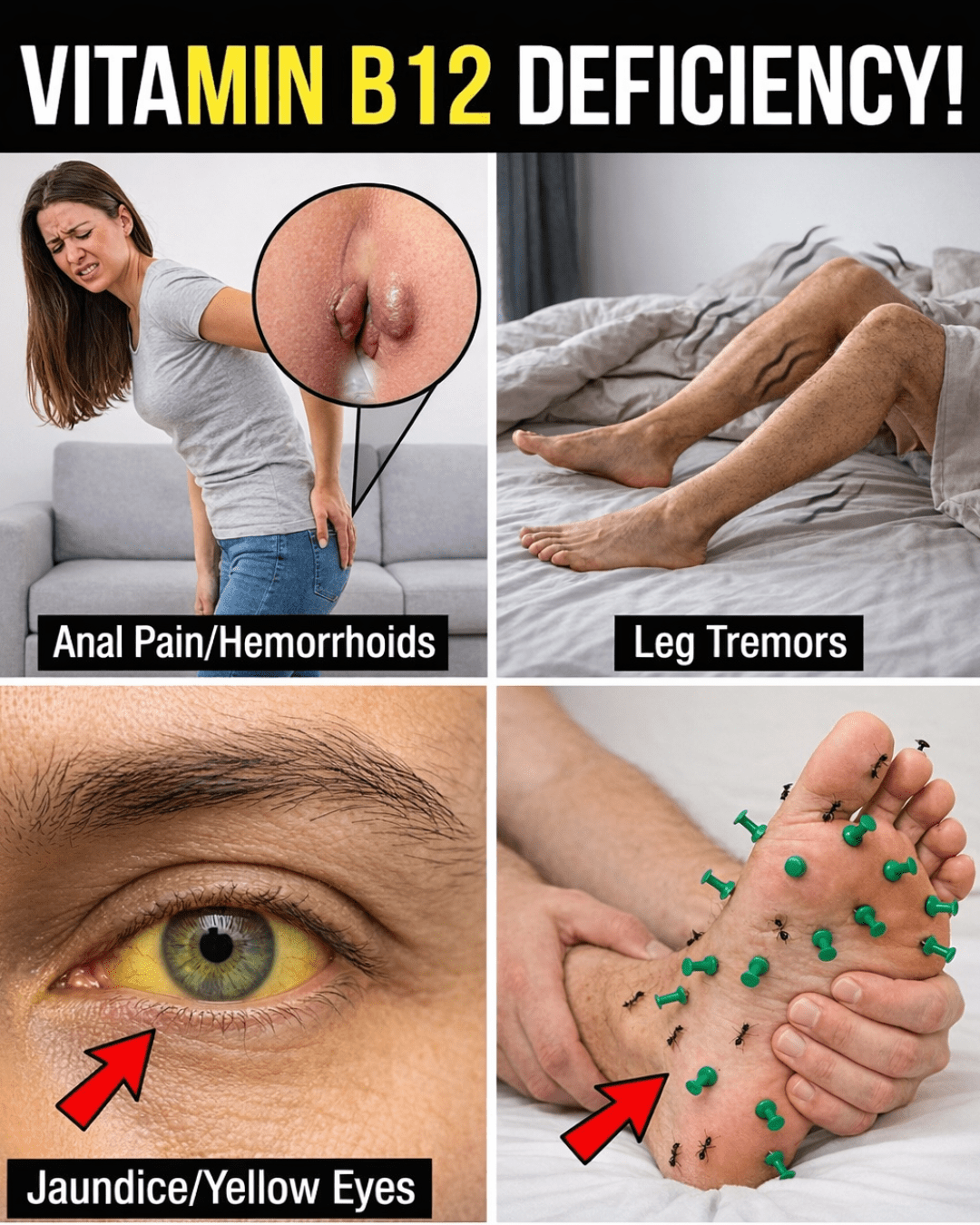
Many adults, especially those over 50, experience unexplained fatigue, mood changes, or odd sensations without realizing a simple nutrient gap could be involved. You might appear perfectly healthy on the outside while your body struggles quietly with low energy and subtle discomforts that build over time. These issues often get dismissed as normal aging, stress, or busy lifestyles—but they can sometimes point to something fixable.
The frustrating part? Trying more sleep, coffee, or exercise doesn’t always help if absorption is the hidden issue. And here’s the key reveal we’ll explore later: it’s not just about eating enough B12-rich foods—it’s often about how well your body uses what you consume.
If several of these signs resonate, keep reading. We’ll uncover the clues and practical steps ahead.

Why Vitamin B12 Matters More as We Age
Vitamin B12 plays a crucial role in producing healthy red blood cells, supporting nerve function, and maintaining energy and brain health. When levels drop, effects can spread to your mood, skin, mouth, nerves, heart rhythm, cognition, and even balance.
You might eat a balanced diet and still face challenges. Research from sources like the NIH shows that absorption often declines with age due to lower stomach acid, certain medications (like long-term antacids or metformin), digestive issues, or plant-based diets without fortification.
Studies indicate up to 20% of adults over 60 may have low or marginal B12 status. That’s why symptoms can feel like “everything is off” without an obvious cause.
But here’s the good news: recognizing these signs early allows for straightforward discussions with your doctor.
Let’s dive into the eight signs—starting with the most familiar and moving to the more surprising ones.
Sign #1: Persistent Fatigue That No Amount of Rest Fixes
You get a full night’s sleep, yet you still drag through the day like you’re wading through mud. Tasks feel heavier, and your energy tank seems perpetually low.
Many people, like a 52-year-old professional who felt “dimmed” and irritable, blame work stress. But low B12 can impair red blood cell efficiency, reducing oxygen delivery—leading to exhaustion that rest alone doesn’t resolve, per Cleveland Clinic and Mayo Clinic insights.
This isn’t laziness—it’s a signal your body might need support.

Sign #2: Unexplained Mood Changes or Irritability
Suddenly feeling more anxious, overwhelmed, or “not yourself”? Snapping over small things, then feeling guilty?
B12 supports brain pathways involved in mood regulation. Research links low levels to irritability or low mood, sometimes mimicking stress or life changes.
One individual in their late 40s noticed emotional steadiness return after addressing B12 with professional guidance. If this pairs with fatigue, it’s worth noting.
And the next sign? It shows up right on your face.
Sign #3: Pale or Slightly Yellowish Skin Tone
Your complexion looks washed out or subtly jaundiced, even with good sleep and hydration.
This can stem from changes in red blood cell production linked to low B12, causing a type of anemia. Harvard Health notes this subtle shift is easy to overlook but meaningful when combined with other clues.
It’s not about vanity—it’s a gentle nudge to pay attention.
Sign #4: Sore, Swollen Tongue or Recurrent Mouth Issues
Your tongue feels tender, glossy, or burns with certain foods. Mouth sores pop up more often, making eating less enjoyable.
Known as glossitis, this classic sign affects tissue health. WebMD and NIH resources highlight how B12 supports rapid-turnover cells like those in the mouth.
Many dismiss it as minor irritation. But paired with other symptoms? It adds up.
Now for a truly odd one that worries people most.
Sign #5: Tingling, Numbness, or “Pins and Needles” in Hands or Feet
Random buzzing, crawling sensations, or numbness—especially in extremities.
B12 helps maintain nerve coverings. Deficiency can disrupt signals, causing paresthesia. Studies show early intervention often improves this, but delays risk longer recovery.
If it’s affecting daily activities, don’t wait.
Sign #6: Occasional Heart Fluttering or Racing
Out-of-nowhere palpitations, like skipped beats or racing pulses.
In some cases, low B12 contributes indirectly through anemia, making the heart work harder. Mayo Clinic lists palpitations among potential signs—always rule out urgent causes first.
This one underscores why evaluation matters.
Sign #7: Brain Fog or Forgetfulness That’s Hard to Shake
Misplacing words, rereading things, or feeling mentally sluggish despite being capable.
B12 aids nerve signaling and cognition. Research associates low levels with foggy thinking that improves with correction.
It’s not inevitable aging—sometimes it’s addressable.
Sign #8: Subtle Weakness Affecting Balance or Coordination
Feeling less steady on curbs, hesitant on stairs, or weaker overall.
This can reflect compounded nerve and energy effects. Prolonged low B12 risks more noticeable changes, but early steps help.
Here’s a quick comparison table of these signs and potential B12 links (based on established medical sources like NIH and Mayo Clinic):
| Common Sign | How Low B12 May Contribute (Potentially) |
|---|---|
| Persistent fatigue | Impaired oxygen delivery from red blood cell issues |
| Mood irritability | Effects on brain chemistry pathways |
| Pale/yellowish skin | Linked to anemia and cell turnover changes |
| Sore tongue/mouth sores | Disruption in tissue maintenance |
| Tingling/numbness | Nerve covering and signal support |
| Heart palpitations | Indirect via anemia in some cases |
| Brain fog/forgetfulness | Nerve signaling and cognitive support |
| Balance/weakness | Combined nerve and energy impacts |

Who’s at Higher Risk?
Certain factors increase likelihood:
- Age over 50 (absorption naturally declines)
- Vegetarian or vegan diets (B12 mainly in animal foods)
- Digestive conditions (e.g., Crohn’s, celiac)
- Long-term use of acid-reducing meds or metformin
- Stomach surgeries
If these apply, proactive checks make sense.
Your Practical Next Steps
Don’t rush to supplements—start smart:
- Track symptoms for a week: Note energy, mood, sensations.
- Review risks and diet.
- Add natural sources: Beef, fish (salmon, tuna), eggs, dairy, or fortified cereals/plant milks.
- Discuss testing with your doctor: Simple blood work can clarify.
Here’s a simple plan table:
| Timeframe | Focus | Practical Step |
|---|---|---|
| Week 1 | Awareness & food base | Add one B12-rich food daily (e.g., eggs or yogurt) |
| Weeks 2-4 | Consistency | Track changes; maintain new habits |
| Month 1+ | Professional input | Share notes; ask about B12 and related tests |
Absorption is the twist—foods help, but if impaired, guided options (oral or otherwise) may be needed.
The Bottom Line
These strange signs aren’t flaws—they’re signals. Low B12 can mimic aging or stress, but it’s often identifiable and manageable early.
Your move: Try one food tweak today, track for a week, and talk to your provider if signs persist.
Frequently Asked Questions
How common is low vitamin B12 in adults over 50?
Studies show up to 20% of those over 60 may have low or marginal levels, rising with age-related absorption changes.
Can I get enough B12 from food alone if I’m vegetarian?
It’s challenging without animal products, so fortified foods or professional advice on options help prevent gaps.
Is fatigue always a sign of low B12?
No—many causes exist, like sleep or thyroid issues. But when paired with other signs here, testing clarifies.
This article is for informational purposes only and is not a substitute for professional medical advice, diagnosis, or treatment. Always consult a qualified healthcare provider with any questions about your health or symptoms, especially if experiencing concerning changes.