 By admin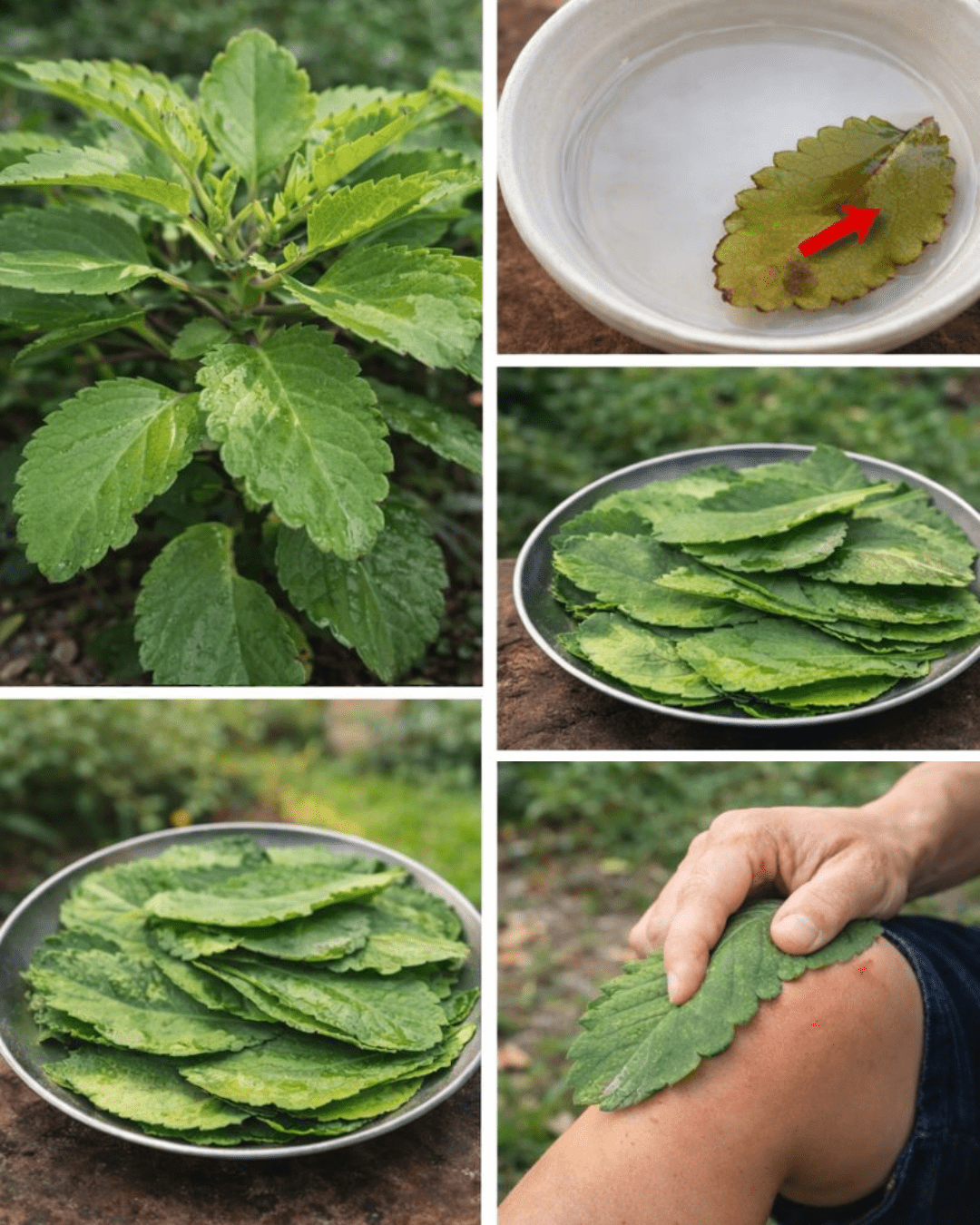
Many adults over 40 experience ongoing issues with inflammation, breathing difficulties, slow-healing wounds, or joint discomfort that affect daily life. These common challenges can make simple activities feel exhausting and limit enjoyment of hobbies or time with family. Yet nature often provides gentle support through plants used for generations.
One such plant is Leaf of Life (Bryophyllum pinnatum), a resilient succulent that grows easily in warm climates and has a long history in traditional medicine across tropical regions. Research suggests its compounds—like flavonoids and phenolic acids—may support the body’s natural responses to inflammation and healing. Keep reading to explore what studies and traditional uses reveal about this remarkable plant—and stay until the end for practical tips you can try safely.

What Is Leaf of Life? A Closer Look at This Versatile Succulent
Leaf of Life, also known as miracle leaf, life plant, or cathedral bells, originates from Madagascar and thrives in places like Florida, Texas, California, the Caribbean, and beyond. Its thick, juicy leaves store water, helping it survive dry conditions—and those same leaves hold bioactive compounds studied for potential health benefits.
Traditional healers have long used warmed leaves as poultices or brewed them into teas. Modern lab and animal research is exploring these uses, showing promising anti-inflammatory, antioxidant, and tissue-supporting effects. But here’s the key: while encouraging, most evidence comes from preclinical studies. Always consult a healthcare professional before trying new remedies.

Potential Benefits Supported by Research and Tradition
Scientists have identified flavonoids, phenolic compounds, and other actives in Leaf of Life that contribute to its effects. Here’s what studies suggest:
Supporting Respiratory Comfort
Traditional practices often use Leaf of Life for easier breathing during congestion or irritation. Preclinical research indicates bronchodilating and anti-histamine-like properties from compounds like bryophyllin.
A study in the Journal of Ethnopharmacology found leaf extracts helped relax airways in animal models. Users commonly warm leaves, lightly crush them, and apply as a chest poultice for soothing relief.
Promoting Faster Wound Healing
Slow-healing cuts or scrapes frustrate many people. Leaf of Life’s polysaccharides and phenolics may support tissue regeneration.
Animal studies, including one using topical gels, showed faster closure and reduced inflammation. Crushed fresh leaves applied directly (after a patch test) align with traditional methods.
Aiding Kidney Stone Discomfort
In folk medicine, Leaf of Life helps with urinary issues, including stones. Research validates this: a study in Ancient Science of Life showed leaf extracts prevented crystal formation in rat models.
Compounds like saponins and antioxidants likely contribute to diuretic and anti-crystallization effects.

Easing Joint and Inflammatory Discomfort
Chronic inflammation underlies many age-related issues. Multiple studies, including one in Journal of Ethnopharmacology, demonstrate anti-inflammatory activity comparable to standard agents in lab tests.
Brazilian research noted reduced swelling from topical or oral use in models.
Supporting Skin Health
For rashes, minor burns, or irritations, traditional topical application calms the skin. Recent studies confirm wound-healing promotion via increased VEGF expression and antioxidant effects.
Additional Areas of Interest
- Blood Pressure Support: Animal studies show modest reductions, possibly via vascular relaxation.
- Blood Sugar Balance: Rat research indicates improved insulin sensitivity and lower glucose spikes.
- Antioxidant Boost: High phenolic content combats oxidative stress in lab tests.
| Traditional Use | Supporting Evidence from Studies | Common Preparation |
|---|---|---|
| Respiratory relief | Bronchodilating effects in models | Warm poultice or tea |
| Wound healing | Faster closure in animal trials | Crushed leaf topical |
| Kidney stones | Prevents crystal formation in rats | Leaf juice or tea |
| Inflammation/joint support | Reduces edema in preclinical research | Poultice or extract |
| Skin conditions | Promotes healing via VEGF | Gel or direct application |

Safe Ways to Use Leaf of Life: Actionable Tips
Start small and observe how your body responds:
- Simple Tea: Steep 1-2 fresh (or dried) leaves in hot water for 10 minutes. Strain and sip once daily.
- Chest or Joint Poultice: Warm 2-3 leaves slightly, lightly crush to release juices, place on area, cover with cloth for 20-30 minutes.
- Topical for Skin: Crush clean leaves into paste; apply to minor cuts or irritations (patch test first on inner arm).
- Storage Tip: Freeze whole leaves for later use—potency holds well.
Baby leaves are milder for sensitive individuals.
Leaf of Life vs. Common Over-the-Counter Options
| Option | Typical Cost | Potential Side Effects | Onset of Relief (Per Studies/Reports) |
|---|---|---|---|
| OTC Anti-Inflammatories | $10-50/month | Stomach upset, long-term risks | Hours to days |
| Respiratory Aids | $20-100/month | Drowsiness, dependency | Quick but temporary |
| Wound Ointments | $15-40 | Allergic reactions possible | Days |
| Leaf of Life (Homegrown) | Free | Rare mild GI if overused | Hours to days (traditional/animal data) |
Frequently Asked Questions
1. Is Leaf of Life safe for daily use?
Most report good tolerance in moderation, but excessive amounts may cause mild stomach upset due to cardiac glycosides. Start low.
2. Can I use it if I’m pregnant or on medications?
Avoid during pregnancy or with blood thinners/heart meds—consult your doctor, as interactions are possible.
3. Where can I find or grow it?
It grows easily from leaf cuttings in warm climates or as a houseplant. Check local nurseries or online.
Final Thoughts
Leaf of Life exemplifies how everyday plants can support wellness when used thoughtfully. From respiratory and skin comfort to inflammation support, its traditional role is gaining scientific interest—though more human studies are needed.
Imagine waking with easier breathing, quicker-healing skin, and greater daily comfort. Many have incorporated this plant safely alongside healthy habits.
Start with one leaf tonight—but always prioritize professional medical advice.
Disclaimer: This article is for informational purposes only and is not medical advice. Leaf of Life does not cure or treat any disease. Consult your healthcare provider before use, especially if pregnant, nursing, on medications, or with health conditions. Perform a patch test for topical use. Individual results vary.