 By admin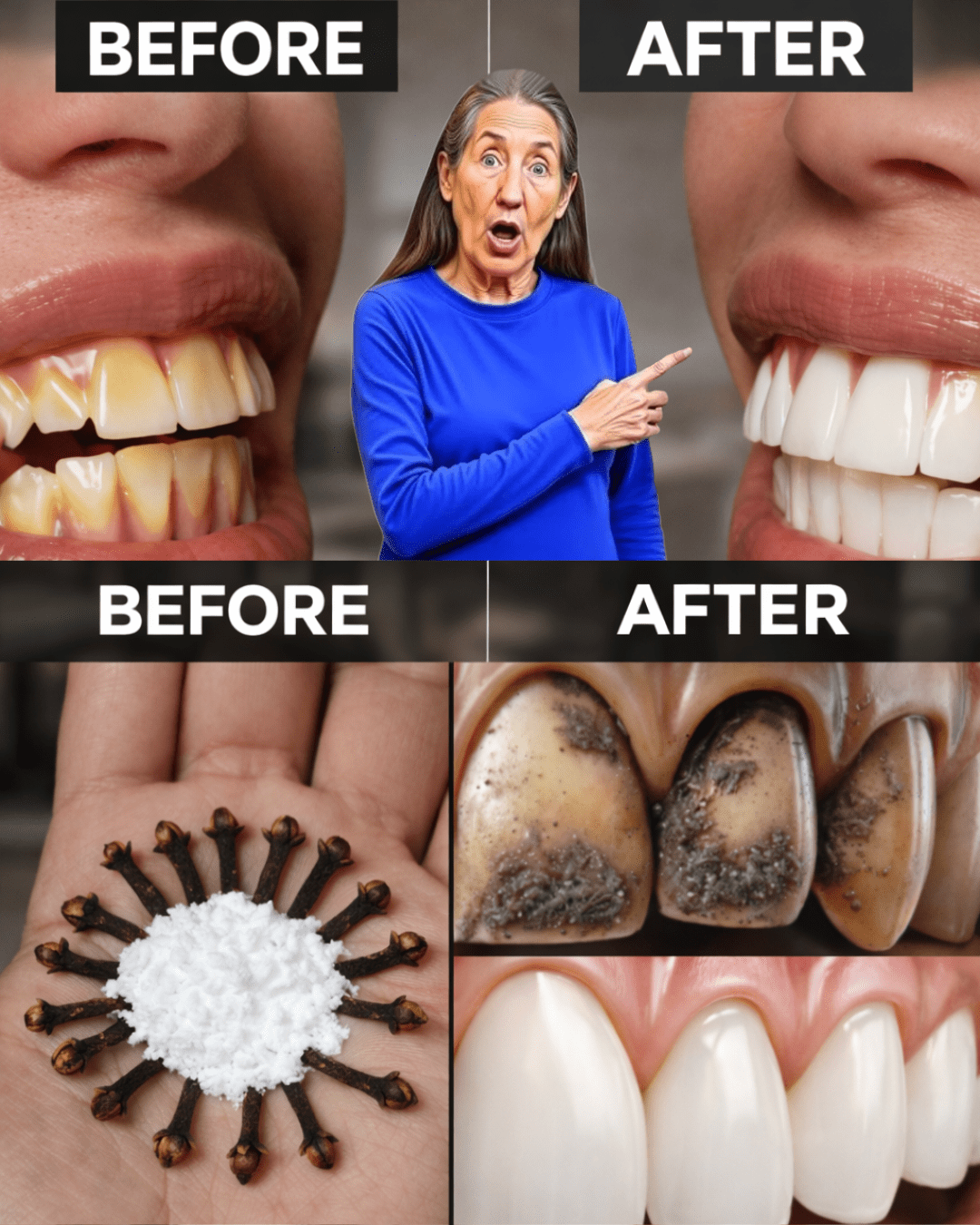
Struggling with sensitive teeth that sting with every hot coffee or cold ice cream? Dealing with gums that feel sore and bleed easily when you brush? Worried about persistent bad breath no matter how often you rinse? These common oral issues can make daily life uncomfortable and leave you feeling self-conscious. They often stem from bacteria buildup and inflammation that regular brushing alone can’t fully address.
But here’s the good news: a simple, natural habit from your spice cabinet might help create a healthier mouth environment. And the best part? We’ll reveal how consistent use could make a noticeable difference—keep reading to discover why this tiny spice packs such potential.

Why Cloves Stand Out for Oral Health Support
Cloves aren’t just a flavorful addition to recipes—they’ve been valued in traditional practices for centuries, particularly for dental comfort. The key lies in their natural compounds, especially eugenol, which research suggests has antibacterial and anti-inflammatory properties.
Studies, including reviews published in journals like Medical News Today and PubMed, indicate that eugenol can target oral bacteria responsible for plaque and gum issues. When you chew a clove, these compounds release slowly, helping to foster an environment less friendly to harmful microbes.
But that’s not all—cloves also contain antioxidants that may support overall gum tissue health. This makes them a gentle, plant-based option worth considering alongside your routine care.

Key Ways Daily Clove Chewing May Benefit Your Oral Health
Incorporating just one or two whole cloves into your day could offer several supportive effects. Here’s what the evidence points to:
- Supports Plaque Control and Enamel Health
Harmful bacteria feed on sugars and produce acids that weaken enamel. Research shows eugenol exhibits antibacterial activity against strains like Streptococcus mutans, a primary contributor to plaque. Regular exposure may help limit bacterial growth naturally. - Helps Soothe Irritated Gums
Red, swollen gums can signal early inflammation. Cloves’ anti-inflammatory compounds may calm gum tissue and reduce discomfort, as noted in studies on eugenol’s effects. - Promotes Fresher Breath
Odor-causing bacteria thrive in the mouth. By acting as a natural antiseptic, cloves target these microbes at the source while encouraging saliva flow to wash away debris. - Provides Temporary Relief from Minor Tooth Discomfort
For occasional aches, eugenol’s mild numbing properties have been compared to topical anesthetics in older clinical trials, offering short-term soothing. - May Ease Sensitivity Over Time
Exposed nerves can make eating uncomfortable. Consistent use might help calm sensitivity by supporting a balanced oral environment. - Acts as a Gentle Numbing Agent
In dental settings, eugenol has long been recognized for its anesthetic-like action, useful for mild irritation.
These benefits build gradually with mindful, daily use. The truth is, many people notice improvements in breath and comfort within weeks.

How to Safely Chew Cloves Every Day
Getting started is straightforward—no fancy tools needed.
- Choose whole, high-quality cloves from a reputable source.
- After meals or brushing, place 1–2 cloves in your mouth.
- Gently chew to release the oils, then let them sit against your teeth or gums for 5–10 minutes.
- Spit out the remnants (don’t swallow whole cloves to avoid irritation).
- Rinse with water if desired.
Start with one clove daily to see how your mouth responds. This habit fits easily into a holistic routine—pair it with brushing, flossing, and regular dental visits.
Here’s a quick comparison of clove chewing vs. common alternatives:
| Method | Natural Compounds | Ease of Use | Cost | Potential Drawbacks |
|---|---|---|---|---|
| Chewing Whole Cloves | High in eugenol | Very easy | Low | Strong flavor; possible mild irritation if overused |
| Commercial Mouthwash | Synthetic agents | Convenient | Moderate | Alcohol dryness; chemical taste |
| Clove Oil Application | Concentrated | Requires dilution | Moderate | Risk of burns if undiluted |

Easy DIY Clove Remedies to Enhance Your Routine
Want to go beyond chewing? Try these simple, at-home options. Always dilute essential oils properly.
Homemade Clove Mouth Rinse
- Boil 1 cup water with 4–5 whole cloves for 10 minutes.
- Cool, strain, and add a pinch of salt (optional).
- Swish for 30 seconds twice daily.
This can support fresh breath and soothe gums.
Clove Spot Application for Discomfort
- Mix 1–2 drops clove essential oil with a carrier like coconut oil.
- Apply sparingly to the area with a cotton swab.
- Use only occasionally for temporary relief.
Clove-Infused Oil Pull
- Warm 1 tablespoon coconut oil with ground cloves.
- Swish gently for 5–10 minutes in the morning.
Research on similar herbal rinses suggests they may reduce oral bacteria effectively.
Why This Habit Complements a Natural Oral Care Approach
In a world full of chemical-laden products, cloves offer a clean, affordable alternative. They’re accessible, require no prep, and align with plant-based lifestyles.
Plus, their broad-spectrum properties mean you’re supporting multiple aspects of oral health at once. This is the exciting part: small, consistent changes like this can lead to stronger, more comfortable teeth and gums over time.
Actionable Tips to Get Started Today
Ready to try? Follow these steps:
- Stock up on organic whole cloves.
- Begin with one clove after dinner—chew mindfully.
- Track how your breath, gums, and sensitivity feel over 2 weeks.
- Combine with oil pulling or the rinse above for amplified effects.
- Stay consistent but listen to your body—adjust if needed.
Pair this with twice-daily brushing and flossing for the best results.
Final Thoughts
Chewing cloves daily is an easy, evidence-backed way to naturally support cleaner teeth, calmer gums, fresher breath, and reduced sensitivity. Backed by studies on eugenol’s antibacterial and soothing properties, this humble spice can become a valuable part of your oral wellness routine.
When done mindfully, it offers big potential from a small habit. Give it a try and see the difference for yourself.
Frequently Asked Questions
1. How many cloves should I chew per day?
Start with 1–2 whole cloves daily. More isn’t necessarily better—stick to moderate amounts for safety.
2. Can chewing cloves replace brushing or dental visits?
No. It’s a supportive habit, not a substitute. Continue regular brushing, flossing, and professional check-ups.
3. Is it safe for everyone to chew cloves daily?
Most adults tolerate it well in small amounts, but those with sensitivities or on medications should consult a dentist first.
Disclaimer: This article is for informational purposes only and does not constitute medical advice. Cloves may support oral health but are not a treatment or cure for any dental condition. Always consult a qualified healthcare professional for personalized guidance, especially if you have ongoing oral issues or are pregnant.
(Word count: approximately 1,350)