 By admin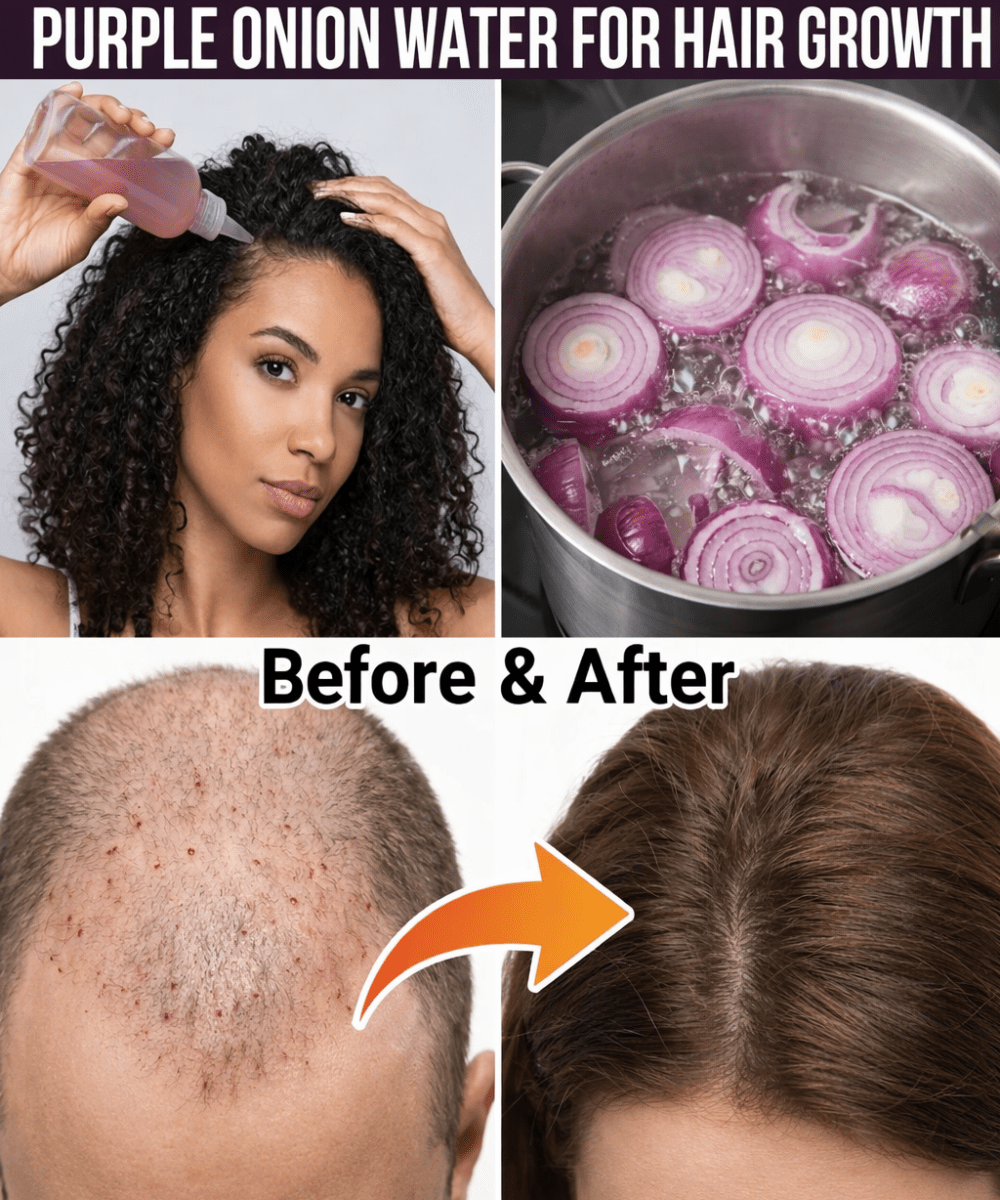
Over 80 million Americans deal with some form of hair thinning or loss at some point in their lives. It’s that frustrating moment when you notice more strands in the brush or shower drain than usual, and confidence takes a hit. Many turn to expensive products or treatments that promise results but often fall short, leaving you wondering if there’s a simpler, more natural approach.
But here’s the intriguing part: Emerging interest in natural remedies has spotlighted something unexpected hiding in your kitchen—an everyday ingredient that some research and user experiences suggest may support healthier, thicker-looking hair. Keep reading to uncover the details behind this buzzworthy option and whether it could make a difference for you.

The Widespread Challenge of Hair Thinning
Hair thinning doesn’t discriminate—it can start in your 30s, 40s, or later, affecting both men and women. Studies indicate that by age 50, around 50% of women and up to 80% of men notice significant thinning.
It’s more than just appearance; it can impact self-confidence and daily life. Common culprits include inflammation, reduced scalp circulation, and nutrient imbalances, rather than just genetics alone.
If you’ve tried volumizing shampoos or supplements without much luck, you’re not alone. But what if supporting scalp health naturally could help? That’s where onions come into the picture—surprising, right?

Why Onions Are Gaining Attention in Hair Care
Onions aren’t just for cooking; they’re rich in sulfur (a building block for keratin, the protein that makes up hair) and quercetin, an antioxidant with anti-inflammatory properties.
Limited research points to potential benefits for scalp health. For instance, a small 2002 study in the Journal of Dermatology found that applying crude onion juice twice daily supported hair regrowth in 87% of participants with patchy alopecia areata after six weeks, compared to only 13% in the control group.
While more studies are needed, especially for common thinning patterns, these findings have sparked interest in onion juice as a gentle, at-home option.
Key Potential Benefits
Here’s a breakdown of why onion juice is creating conversation:
- Sulfur for stronger strands: Sulfur contributes to keratin production, which may help hair feel more resilient.
- Quercetin for calmer scalp: Its antioxidant effects could ease inflammation that affects follicles.
- Support for circulation: Better blood flow means more nutrients reaching the roots.
- Antimicrobial properties: May help maintain a balanced scalp environment.
But that’s not all—many enhance it further.
Leveling Up: Adding Rosemary Oil
One popular tweak? Mixing in rosemary essential oil. A 2015 randomized trial showed rosemary oil performed comparably to 2% minoxidil for androgenetic alopecia over six months, with good tolerance.
Rosemary may boost microcirculation and reduce inflammation. Try adding 5 drops to your onion juice mixture for potential synergy.
Users often report noticing softer, fuller-feeling hair after consistent use.

Going Pro: The Fermented Version
Some take it a step further by fermenting onion juice, which can make it more scalp-friendly (lower pH) and potentially increase nutrient availability through natural microbial action.
Though direct research is limited, fermentation aligns with general benefits for skin health, and anecdotal reports suggest improved absorption.
Quick Comparison Table
| Version | Potential Regrowth Support | Ease of Use | Smell Management |
|---|---|---|---|
| Basic Onion Juice | Moderate | Easy | Good (with double shampoo) |
| + Rosemary Oil | Higher | Easy | Better |
| Fermented | Enhanced | Moderate | Best |
How to Make and Use Onion Juice at Home
Ready to try? Start simple and patch-test first.
Basic Recipe (Step-by-Step)
- Chop 1-2 organic red onions (higher in quercetin).
- Blend into a pulp.
- Strain through cheesecloth to extract juice.
- Massage into damp scalp for 2-3 minutes.
- Leave on 30-60 minutes (use a shower cap).
- Rinse thoroughly and shampoo twice to minimize odor.
Apply 2-3 times weekly. Consistency is key—give it 4-8 weeks.

Rosemary-Enhanced Version
Add 5-10 drops of pure rosemary essential oil to 1/4 cup juice before applying.
Fermented Option
- Blend and strain onions.
- Mix juice with equal parts water, a pinch of sea salt, and optional honey.
- Let sit covered (cheesecloth top) at room temp for 2-3 days until bubbly.
- Strain and refrigerate (use within a week).
Supporting Your Routine
Pair with a balanced diet rich in protein, iron, and biotin. Research also links low vitamin D to various hair concerns—getting sunlight or consulting a doctor about levels could help.
Gentle scalp massages during application may further encourage circulation.
Real Experiences and Cautions
Many share positive stories of thicker-feeling hair and reduced shedding after months of use. Results vary, and it’s not a one-size-fits-all.
Possible side effects: Mild irritation or redness (especially sensitive scalps). Always patch-test on your inner arm. Avoid if allergic to onions or eyes.
Onion juice vs. other options:
| Treatment | Evidence Level | Natural? | Common Side Effects | Cost |
|---|---|---|---|---|
| Onion Juice | Limited (small studies) | Yes | Possible irritation | Low |
| Minoxidil | Strong | No | Itch, unwanted hair | Moderate |
| Rosemary Oil | Moderate | Yes | Low | Low |
Wrapping It Up: Is It Worth Trying?
Onion juice offers an accessible, natural way to nurture your scalp, backed by some promising (though limited) research and enthusiastic user feedback. Combined with rosemary or fermentation, it might amplify the experience.
The biggest factor? Patience and consistency. Track your progress, and combine with healthy habits for best results.
Imagine feeling more confident running your fingers through thicker strands—many have explored this path and found it rewarding.
Frequently Asked Questions
1. How long until I see changes?
Most reports mention noticeable differences after 4-8 weeks of regular use, but individual results vary.
2. Does the smell linger?
Double shampooing and adding essential oils help a lot—many say it fades completely after rinsing.
3. Is onion juice safe for colored hair?
Generally yes, as it’s natural, but test a small area first to avoid any unexpected effects.
Disclaimer: This article is for informational purposes only and is not medical advice. Results are not guaranteed, and onion juice may not work for everyone. Consult a healthcare professional before trying new remedies, especially if you have scalp conditions or are experiencing significant hair loss.