 By admin
 Blackheads are a common and often frustrating skin concern, characterized by small, dark spots that appear when pores become congested with excess oil, dead skin cells, and environmental debris. These stubborn blemishes frequently emerge on areas like the nose, chin, and forehead. In the quest for clearer skin, many individuals seek out gentle, at-home solutions to enhance their complexion’s appearance.
Among the myriad of DIY skincare trends, one particular kitchen staple consistently resurfaces: egg white. Praised for its natural protein content, egg white is believed to offer temporary skin-tightening effects and absorb surface oil. While personal experiences vary widely, some users report a smoother skin texture after application. This article will provide a balanced perspective on this popular home remedy, detailing its typical application methods and crucial considerations before you try it.
🌟 Why Egg White Is a Popular Choice in DIY Skincare
Egg whites are rich in proteins, notably albumin, which creates a noticeable tightening sensation as it dries on the skin. This effect is often valued by those looking to:
- Help manage excess surface oil.
- Achieve a temporary reduction in the appearance of pores.
- Function as a gentle, peel-off style mask when applied in layers.
This traditional approach has found renewed popularity online, drawing inspiration from age-old home remedies. However, it’s important to note that many dermatologists emphasize the largely anecdotal nature of these benefits, with limited robust scientific studies confirming long-term efficacy for blackhead treatment. Nevertheless, understanding its common application is the first step—let’s explore the routine.
🥚 A Step-by-Step Guide to the DIY Egg White Mask
If you’re considering experimenting with this widely discussed method, here’s a typical routine many people follow. Always remember to perform a patch test first to check for any adverse reactions.
- Prepare Your Skin: Begin by cleansing your face thoroughly with lukewarm water to remove any makeup or impurities. Gently pat your skin dry.
- Separate the Egg: Carefully crack one fresh egg and separate the white into a clean, small bowl. You can discard the yolk or save it for another use.
- First Layer Application: Using a clean brush or your fingertips, apply a thin, even layer of the egg white to your clean, dry skin. Concentrate on areas prone to blackheads, such as your nose, chin, and forehead.
- Apply Tissue Strips: Immediately after the first layer, gently place thin strips of tissue paper or a paper towel over the wet egg white. Ensure the tissue adheres smoothly to your skin.
- Second Layer Application: Lightly brush another thin layer of egg white directly over the tissue strips, saturating them completely.
- Allow to Dry: Let the mask dry completely, which usually takes 15-30 minutes. You’ll feel a distinct tightening sensation as it dries.
- Gentle Removal: Once fully dry and firm, carefully peel off the mask, starting from the edges.
- Rinse and Moisturize: Rinse your face with cool water to remove any residue, then follow up with your preferred moisturizer to rehydrate your skin.
For best results, this mask is typically suggested for use no more than 1-2 times per week. Many users report a satisfying feeling of seeing surface residue on the peeled-off tissue.
⚠️ Key Considerations and Potential Risks
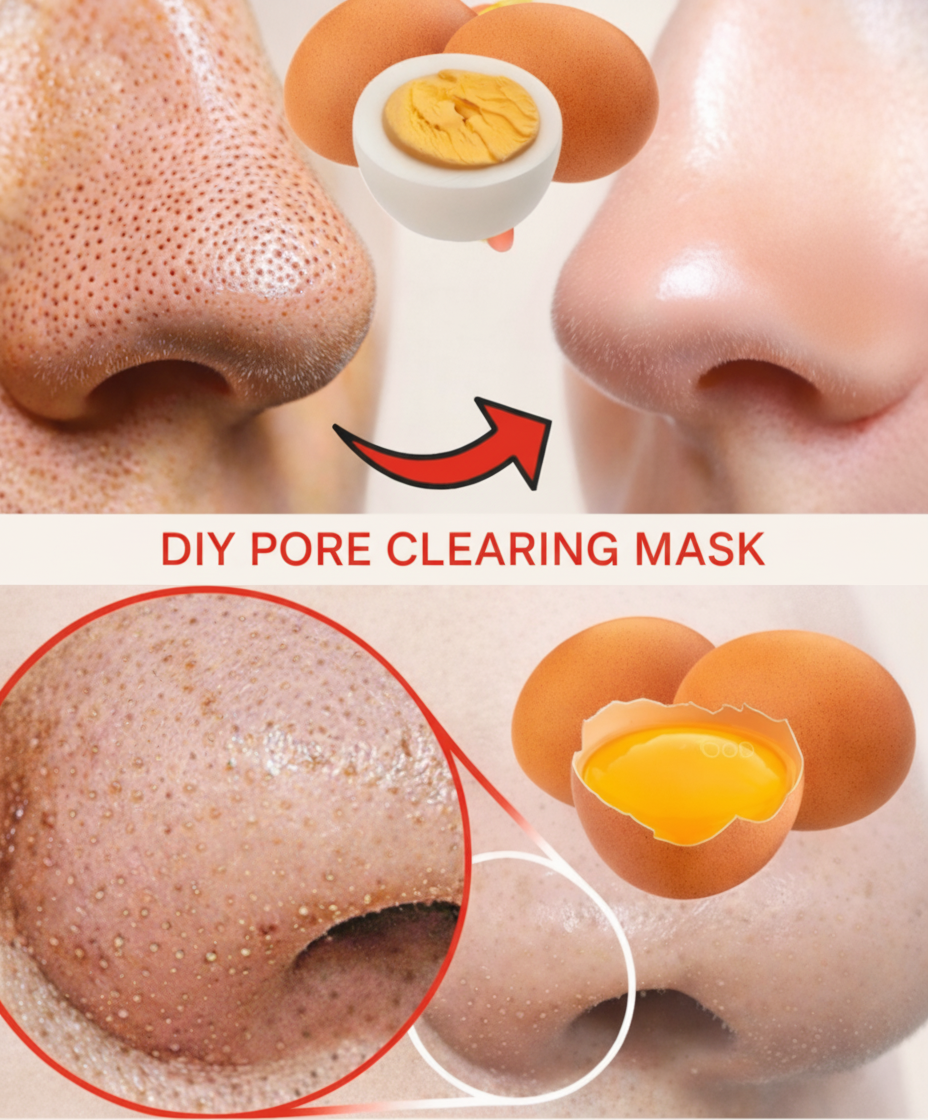
While the DIY egg white mask is celebrated for its affordability and simplicity, skincare experts highlight several important factors to consider:
- Limited Scientific Backing: The perceived benefits are largely derived from personal anecdotes rather than extensive, peer-reviewed scientific studies. While it may lift some superficial debris, it generally does not address deeper pore blockages effectively.
- Risk of Skin Irritation: The drying and tightening effects of egg whites can sometimes lead to temporary redness, dryness, or a feeling of tightness, particularly on sensitive or already dry skin types.
- Bacterial Contamination: Raw egg whites carry a slight risk of salmonella bacteria. To minimize this risk, it’s advisable to use fresh, pasteurized eggs if possible. Avoid applying the mask if you have any open cuts, scratches, or broken skin.
- Allergic Reactions: Even without a known dietary egg allergy, topical application can potentially trigger skin reactions such as itching, rashes, or hives in some individuals.
Dermatologists often advocate for skincare products with well-researched, proven ingredients over raw food-based remedies, emphasizing safety, consistency, and targeted efficacy.
A Quick Comparison of Common Blackhead Treatments:
| Method | Potential Benefits | Important Considerations |
|---|---|---|
| Egg White DIY Mask | Affordable, temporary skin tightening, surface oil absorption. | Limited scientific evidence, potential for irritation/bacterial risk. |
| Salicylic Acid Cleansers | Gently exfoliates, helps dissolve oil and unclog pores. | Requires consistent use, can be drying initially. |
| Clay Masks | Effectively absorbs excess oil and impurities from pores. | Can lead to dryness or irritation if overused on certain skin types. |
| Professional Extraction | Targeted and thorough removal of stubborn blackheads. | Best performed by a trained aesthetician or dermatologist to avoid scarring. |
💡 Gentler, Evidence-Based Alternatives for Clearer Skin
For those seeking more consistent and scientifically supported results in achieving clearer skin, several effective alternatives are available:
- Chemical Exfoliants: Incorporate products containing salicylic acid (BHA) or glycolic acid (AHA). These ingredients work to gently exfoliate dead skin cells and keep pores clear from within.
- Oil Cleansing: This method uses oil-based cleansers to gently dissolve pore-clogging impurities and makeup without stripping the skin’s natural moisture barrier.
- Prioritize Hydration: Regular moisturizing with non-comedogenic products (those designed not to clog pores) is essential for healthy skin barrier function and can prevent future breakouts.
Bonus Tip: If you’re left with a leftover egg yolk, some people repurpose it as a quick hydrating and nourishing facial mask! Remember, consistency with a simple, well-chosen skincare routine often yields the most significant and lasting improvements over time.
Frequently Asked Questions About Egg White Masks
- Does the egg white mask provide a permanent solution for blackheads?
- No, this mask typically offers temporary improvements in surface appearance. Blackheads are likely to recur without a consistent and comprehensive skincare regimen.
- Is the egg white mask suitable for all skin types?
- Not necessarily. Individuals with sensitive, dry, or acne-prone skin may experience adverse reactions such as irritation or excessive dryness. A patch test is always recommended before full facial application.
- What should I do if the egg white mask doesn’t work for me?
- If you don’t achieve your desired results or experience irritation, consider exploring gentler exfoliation methods or consult a dermatologist. They can provide personalized advice and recommend professional treatments tailored to your specific skin concerns.
Important Disclaimer: This article is intended for informational purposes only and should not be considered a substitute for professional skincare or medical advice. Individual results may vary. It is always prudent to consult with a qualified dermatologist before initiating any new skincare routines, especially if you have pre-existing skin conditions or concerns.