 By admin
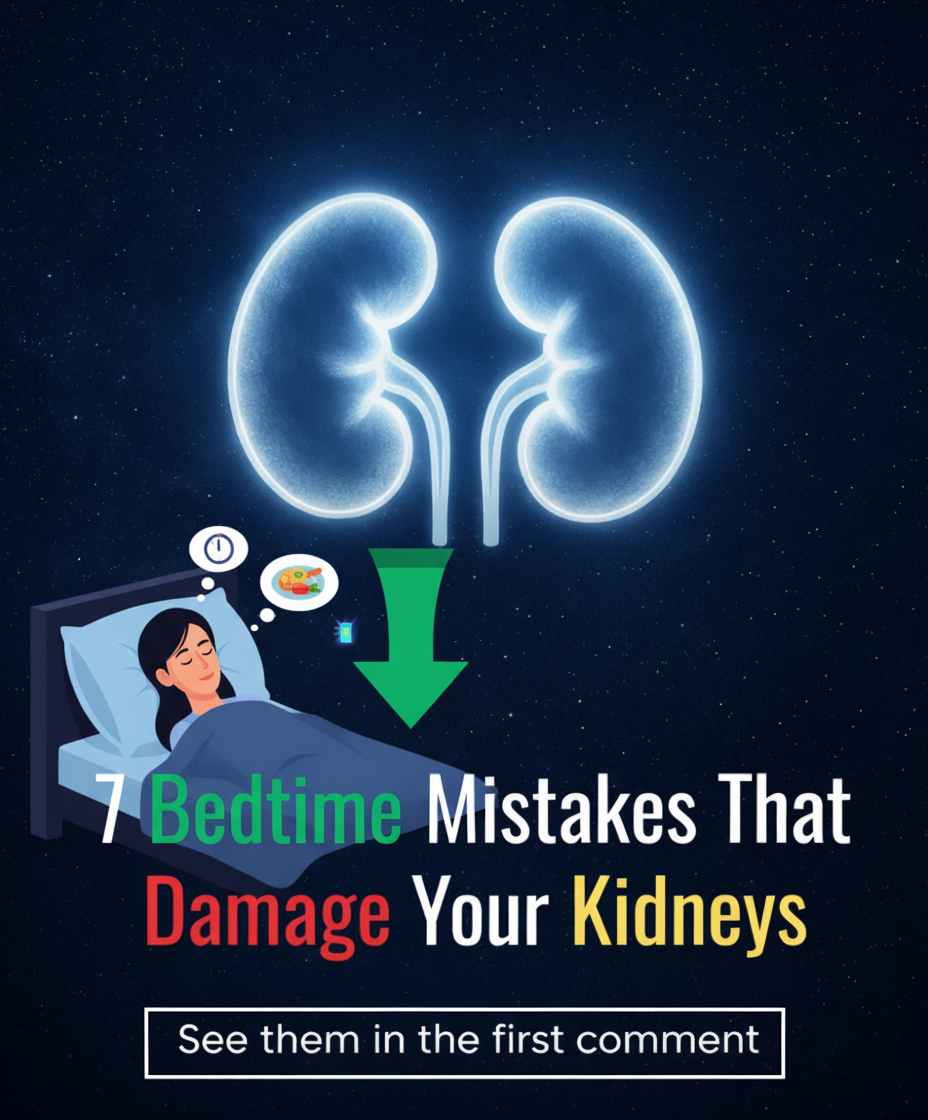
 Do you often wake up feeling unusually tired, perhaps with some unexplained swelling or discomfort that seems worse in the morning? Many wonder if their nightly routines play a significant role. Our busy daily lives can inadvertently foster habits that disrupt restful sleep and place subtle stress on vital organs, including the kidneys. These remarkable organs operate on their own natural circadian rhythms, governing processes like filtration, blood flow, and maintaining the body’s delicate balance.
Research consistently highlights that kidney function fluctuates throughout the day, with crucial regulatory mechanisms closely tied to periods of rest. The encouraging news is that making mindful adjustments to your evening routine, supported by extensive studies on sleep, hydration, and overall lifestyle, can significantly contribute to better overnight recovery and enhanced daily vitality. Let’s delve deeper into common evening habits and explore gentler, more kidney-friendly alternatives.
🫘 The Vital Role of Circadian Rhythms in Kidney Health
Your kidneys function according to an intricate internal clock. Key processes, such as the glomerular filtration rate (GFR) and the regulation of electrolytes, exhibit distinct daily patterns, as detailed in scientific reviews like those published in Physiological Reviews. Disruptions stemming from irregular sleep or inconsistent habits can impact the natural nocturnal dipping of blood pressure—a protective mechanism strongly associated with improved long-term health outcomes in large-scale studies. Ensuring quality rest is paramount, as it actively supports these natural cycles, potentially optimizing fluid regulation and the efficient clearance of toxins from your system.
🌙 1. Excessive Fluid Intake Close to Bedtime
While maintaining good hydration throughout the day is crucial for overall health, consuming large quantities of fluids right before bed can lead to frequent nighttime urination, known as nocturia. This often interrupts crucial sleep cycles, particularly reducing the deep rest phases vital for comprehensive bodily recovery, including the kidneys’ hormonal regulation of fluids via substances like vasopressin. Studies have clearly linked nocturia to fragmented sleep and potential signals of dehydration the following day.
A gentler approach: Prioritize consistent hydration during daylight hours. Aim to limit significant fluid intake within 1-2 hours of your planned bedtime.
🧂 2. High-Sodium Evening Meals
Sodium is essential for maintaining fluid balance, but a heavy intake during your evening meal can contribute to unwanted overnight fluid shifts and the common experience of morning puffiness for some individuals. Research indicates that diets high in salt can negatively influence healthy blood pressure rhythms and disrupt natural sodium excretion patterns, potentially placing undue strain on your kidneys’ regulatory processes. Observational data further connects excessive sodium consumption to challenges with fluid retention.
A supportive swap: Enhance the flavor of your meals with a variety of herbs, spices, or a squeeze of fresh lemon instead of relying heavily on salt. Focus on consuming balanced, moderate portions earlier in the day.
⏰ 3. Irregular or Late Sleep Schedules
Consistent, adequate rest is fundamental for aligning with your kidneys’ natural circadian patterns. Cohort studies have demonstrated that disruptions, such as habitually short sleep durations, are associated with a more rapid decline in kidney function over time. Furthermore, epidemiological reviews highlight a correlation between shift work or chronic late nights and increased risks like non-dipping blood pressure, which can be detrimental to cardiovascular and kidney health.
A helpful habit: Strive for 7-9 hours of quality sleep each night, maintaining a regular bedtime to robustly support your body’s natural physiological rhythms.
💊 4. Routine Use of Specific Pain Relievers at Night
Nonsteroidal anti-inflammatory drugs (NSAIDs), such as ibuprofen, are effective for pain relief but can significantly reduce blood flow to the kidneys, particularly with frequent use or when combined with risk factors like dehydration. Medical guidelines strongly advise caution for individuals with existing kidney concerns, as these medications can temporarily impair kidney filtration. For occasional pain management, it’s always best to:
Safer options: Discuss alternatives like acetaminophen with your healthcare provider to ensure they are suitable for your specific needs.
❄️ 5. An Excessively Cold Sleeping Environment
While a moderately cool room can indeed facilitate sleep onset, an extremely cold sleeping environment might trigger vessel constriction, temporarily altering overall circulation. Some scientific evidence suggests that exposure to cold can influence blood flow dynamics and blood pressure responses, although direct, extensive links to long-term kidney health are still an emerging area of research. However, supporting optimal circulation is always beneficial.
A balanced tip: Prioritize comfort. A room temperature typically between 60-67°F (15-19°C) is often recommended for promoting restorative sleep.
📱 6. Extended Screen Time Before Bed
The blue light emitted from screens—be it phones, tablets, or computers—along with engaging content, can effectively delay the production of melatonin, the hormone crucial for sleep. This heightened alertness can also potentially elevate blood pressure through increased physiological arousal. Studies consistently link pre-bed screen use to poorer sleep quality and increased stress markers, both of which can negatively impact overall vascular health, including that of the kidneys.
A relaxing alternative: Cultivate a wind-down routine that is completely screen-free for at least 30-60 minutes before you plan to sleep.
🦵 7. Overlooking Persistent Swelling (Edema)
Persistent swelling, medically termed edema, can be a critical indicator of underlying fluid imbalances within the body. Consistently ignoring this overnight could point to more significant issues, such as fluid retention. Kidney-related swelling commonly manifests in the legs and ankles. Diligent monitoring of its appearance, location, and severity can help track patterns and provide valuable information.
Actionable steps: If experiencing swelling, elevate your legs in the evening as needed. Crucially, note any changes or persistent patterns for a thorough discussion with a healthcare professional.
☕ Cultivating a Supportive Evening Routine for Enhanced Kidney Health and Rest
Incorporating small, intentional steps into your evening can significantly promote relaxation and better align with your body’s natural rhythms, benefiting your kidneys and overall well-being:
- Mindful Hydration: Ensure you drink sufficient water earlier in the day.
- Light, Balanced Dinner: Opt for an evening meal that is easy to digest and moderate in sodium.
- Gentle Evening Walk: A short stroll can aid digestion and relaxation.
- Warm Foot Soak: This simple comfort can help signal your body to wind down.
- Screen-Free Wind-Down: Disconnect from digital devices to prepare your mind for sleep.
- Consistent Early Bedtime: Prioritize going to bed at a similar time each night.
Many individuals discover that these practices foster deeper, more restorative sleep and lead to truly refreshed mornings.
Frequently Asked Questions
- Do kidneys primarily repair at night?
- Kidney function follows daily rhythms, and rest is crucial for supporting their regulatory processes. However, these vital organs are continuously active and working around the clock, not solely repairing during sleep.
- How much water before bed is considered okay?
- This varies significantly by individual. The primary focus should be on consistent hydration throughout your waking hours. Adjust your evening fluid intake to avoid frequent nighttime awakenings that disrupt your sleep.
- Can these habits alone fully protect my kidneys?
- While these evening habits are highly beneficial for kidney health, they serve as complementary measures. They are most effective when integrated into an overall approach to wellness, which includes a balanced diet, regular exercise, and consistent medical monitoring.
Important Disclaimer: This article provides general information and is not a substitute for professional medical advice. Always consult with a qualified healthcare provider for any health concerns or before making any decisions related to your health or treatment.