 By admin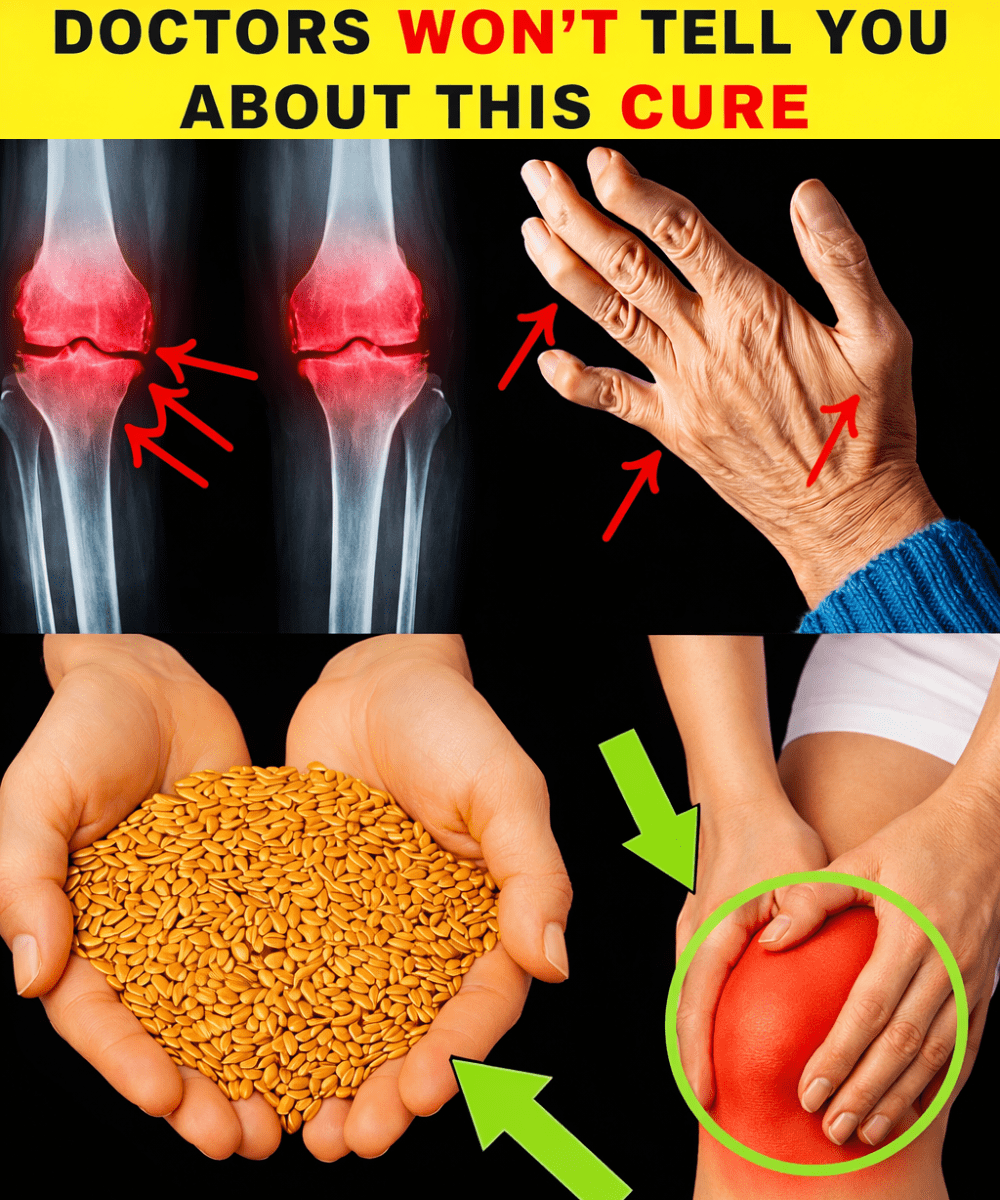
Osteoarthritis affects millions of adults, especially after age 50, causing joint pain, stiffness, and reduced mobility that can make everyday activities challenging. The gradual wear on joint cartilage leads to discomfort during movement, morning stiffness that eases slowly, and frustration when simple tasks like climbing stairs or bending become difficult. Many people experience these changes quietly at first, but over time, they impact independence and quality of life.
Research shows osteoarthritis involves low-grade inflammation and mechanical stress on joints, but lifestyle approaches can play a key role in supporting joint health and easing symptoms. Studies from sources like the Arthritis Foundation and Mayo Clinic highlight evidence-based ways to manage discomfort naturally. What if small, consistent changes could help you move more freely? Let’s explore practical strategies backed by science—keep reading to discover how they might make a difference, and uncover a simple daily habit that ties them together for lasting benefits.

Understanding Osteoarthritis and Why Management Matters
Osteoarthritis develops when cartilage—the protective tissue at the ends of bones—breaks down over time. This leads to bones rubbing closer together, causing pain, swelling, and reduced joint flexibility. It’s common in weight-bearing joints like knees, hips, and hands.
But here’s the encouraging part: While there’s no cure, research consistently shows that non-drug approaches can significantly reduce pain and improve function. For example, guidelines from the American College of Rheumatology emphasize exercise, weight management, and healthy eating as core strategies.
You’re already taking a positive step by learning more—many people see real improvements with these changes. Ready for actionable tips?
Strategy 1: Prioritize Regular Physical Activity
Exercise is one of the most effective ways to manage osteoarthritis symptoms. Studies show it strengthens muscles around joints, improves flexibility, and reduces pain—often more effectively than some medications.
Low-impact options like walking, swimming, or cycling are ideal. Research from the Mayo Clinic indicates that aerobic exercise can ease stiffness and boost mobility.
Start small: Aim for 150 minutes of moderate activity per week, as recommended by health experts. But that’s not all—strength training twice a week helps too.
Quick Tips to Get Started
- Walk briskly for 20-30 minutes most days.
- Try water aerobics to reduce joint stress.
- Include gentle stretches daily for better range of motion.
Consistency matters more than intensity. Many people notice less pain within weeks.

Strategy 2: Focus on Achieving and Maintaining a Healthy Weight
Extra weight puts additional stress on joints, especially knees and hips. For every pound lost, you reduce knee joint load by about four pounds during movement.
Evidence from large studies, like those reviewed by the Arthritis Foundation, shows that losing even 5-10% of body weight can significantly decrease pain and improve function.
Combine healthy eating with activity for best results. Intrigued by how food choices support this? Keep going.
| Weight Loss Benefit | Evidence-Based Impact |
|---|---|
| 5-10% body weight reduction | Up to 50% less knee pain; better daily function |
| Sustained healthy weight | Slows joint damage progression |
Strategy 3: Incorporate Anti-Inflammatory Foods
A balanced diet rich in fruits, vegetables, whole grains, and healthy fats supports joint health. Omega-3 fatty acids from fish like salmon may help reduce inflammation.
Research on turmeric (curcumin) suggests it can ease pain similarly to some over-the-counter options when taken with black pepper for absorption. Collagen supplements show promise in improving joint comfort, per meta-analyses.
Add fermented foods like yogurt or kimchi for gut health, which emerging studies link to lower inflammation.
Top Anti-Inflammatory Foods
- Fatty fish (salmon, mackerel)
- Berries and leafy greens
- Nuts and olive oil
- Turmeric in meals or supplements
Small swaps add up—think Mediterranean-style eating.
Strategy 4: Build Strength and Flexibility
Strengthening exercises support joints by improving stability. Tai chi or yoga combines movement with balance, reducing fall risk.
Studies, including those from the Cochrane Review, confirm these activities lower pain and stiffness.
Focus on proper form to avoid strain. Here’s a simple comparison:
| Exercise Type | Key Benefits | Examples |
|---|---|---|
| Strengthening | Builds muscle support | Leg lifts, resistance bands |
| Flexibility | Eases stiffness | Yoga poses, gentle stretches |
| Balance | Prevents falls | Tai chi movements |
Strategy 5: Support Bone and Joint Health with Nutrients
Vitamin D plays a role in bone strength, and low levels are common in osteoarthritis. Sun exposure or supplements may help if levels are insufficient—check with your doctor.
Omega-3s and possibly collagen provide additional support, based on reviews from reliable sources.
Hydration keeps joints lubricated. But how do you tie it all together? Consistency is key.

More Ways to Support Your Joints
- Prioritize sleep: Aim for 7-9 hours; poor sleep worsens pain perception.
- Manage stress: Techniques like meditation reduce inflammation.
- Stay hydrated: Drink plenty of water for synovial fluid health.
- Consider heat/cold therapy: Alternating can ease flares.
These build on the core strategies above.
Putting It All Together: A Sample Daily Routine
Start with gentle movement in the morning, eat anti-inflammatory foods throughout the day, and include strength work a few times weekly. Track progress in a journal—many notice improvements in 4-6 weeks.
The real game-changer? Combining these for a holistic approach, as supported by guidelines.
Frequently Asked Questions
1. Can lifestyle changes really help osteoarthritis as much as medication?
Yes—exercise and weight management often provide similar or greater benefits for pain and function, with fewer side effects.
2. How much exercise is safe with osteoarthritis?
Start low and go slow; 150 minutes weekly of moderate activity is a common goal, but consult your provider.
3. Are supplements like turmeric or vitamin D worth trying?
Some evidence supports them for symptom relief, but they’re not a substitute for proven strategies like exercise.
This article is for informational purposes only and is not a substitute for professional medical advice. Always consult your healthcare provider before starting new exercises, diets, or supplements, especially if you have osteoarthritis or other health conditions.