 By admin
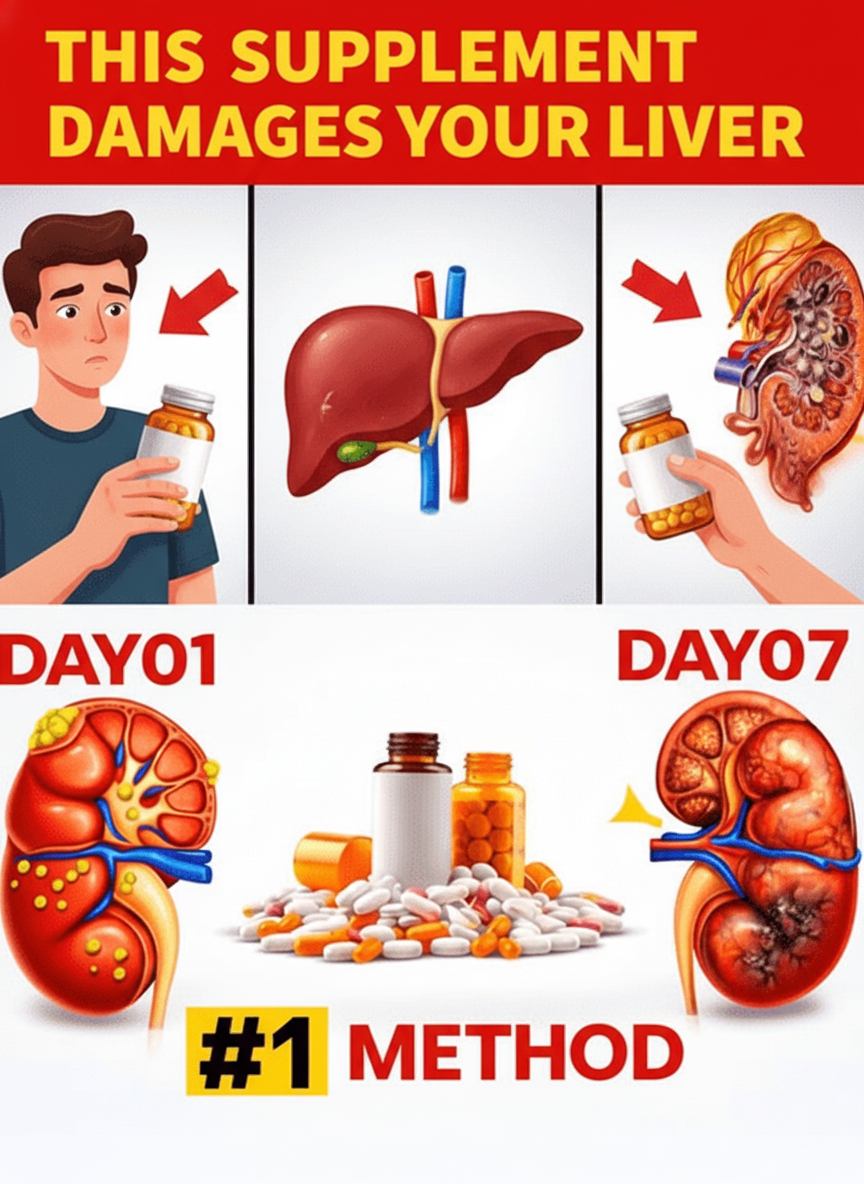
 Many of us reach for daily vitamins and supplements with the best intentions: boosting energy, enhancing wellness, or addressing age-related concerns. Yet, what if these health allies are quietly working against you? Unexplained fatigue, subtle swelling, or unexpected changes in routine blood work can be puzzling, often blamed on stress or aging. But the culprit might be lurking in your supplement cabinet.
Understanding which supplements can strain your liver and kidneys isn’t about fear; it’s about empowerment. These vital organs work tirelessly to detoxify your body, and certain ingredients, especially in high doses, can overburden them. This guide reveals 9 common culprits, helping you make smarter, safer choices for your long-term health.
⚠️ 1. High-Dose Vitamin A (Retinol)
While essential, preformed vitamin A (retinol) in high doses can accumulate and stress liver cells. Many seek it for skin health but might experience unexplained fatigue as a side effect. Opting for beta-carotene from foods like carrots or sweet potatoes allows your body to convert only what it needs, reducing the risk of overload.
⚠️ 2. Mega-Dose Vitamin C
Popular for immune support, excessive vitamin C (especially above 1000 mg daily) can metabolize into oxalate, increasing the burden on your kidneys and potentially raising the risk of kidney stone formation. Instead of high-dose packets, consider fresh fruits and vegetables for a gentler, more balanced intake.
⚠️ 3. Niacin (Extended-Release)
Often used for cholesterol management, extended-release forms of niacin can put significant strain on the liver, sometimes leading to elevated liver enzymes. While the “niacin flush” is common and often considered harmless, underlying liver stress can occur. Discuss with your doctor about safer alternatives or food-based niacin sources if heart health is your goal.
⚠️ 4. Iron Supplements (Without Deficiency)
If your iron levels are already normal, supplemental iron can lead to oxidative stress and tissue damage, particularly in the liver. Many multivitamins include iron, so it’s crucial to check labels if you don’t have a diagnosed iron deficiency. Prioritize iron-rich leafy greens and lean proteins for balanced intake.
⚠️ 5. Vitamin D Megadoses
While vital for bone health and immunity, extremely high doses of vitamin D can disrupt calcium balance, leading to hypercalcemia. Elevated calcium levels can then put undue stress on your kidneys. Ensure your vitamin D intake is monitored, and prioritize safe sun exposure and fortified foods to maintain healthy levels.
⚠️ 6. Green Tea Extract
Concentrated green tea extract, often found in weight-loss and metabolism-boosting supplements, contains high levels of catechins. While beneficial in moderation, these compounds in concentrated form can be hepatotoxic (harmful to the liver) for some individuals. Exercise caution and consult a healthcare professional before taking high-dose extracts.
⚠️ 7. Kava
Used traditionally for anxiety and relaxation, kava supplements have been linked to severe liver damage, including hepatitis, cirrhosis, and liver failure, in numerous reported cases. Due to these significant risks, many health authorities advise against its use.
⚠️ 8. Creatine
Popular among athletes for muscle gain and performance, creatine is generally safe at recommended doses for healthy individuals. However, in people with pre-existing kidney conditions or when taken in excessive amounts, it may put additional strain on the kidneys. Always ensure adequate hydration and consult a doctor, especially if you have kidney concerns.
⚠️ 9. Unregulated Weight Loss Supplements
Many over-the-counter weight loss supplements contain a cocktail of ingredients, some undisclosed or in untested combinations. These can include stimulants, herbal extracts, and compounds that can be highly toxic to both the liver and kidneys, leading to unpredictable and severe adverse reactions. Always prioritize physician-guided weight management and avoid unregulated products.
Your body’s detoxification system is robust, but not invincible. The journey to wellness should never inadvertently compromise your vital organs. Before adding any new supplement to your routine, especially if you’re over 40 or have existing health conditions, it’s wise to:
- Consult your doctor: Discuss all current supplements and medications.
- Check labels carefully: Pay attention to dosages and ingredients.
- Prioritize whole foods: Obtain nutrients from a balanced diet whenever possible.
- Monitor your body: Be aware of any new or unexplained symptoms.
Making informed decisions about your supplement intake is a powerful step towards safeguarding your liver and kidney health for years to come.