 By admin
 That persistent weariness that lingers despite ample rest, the unexpected nocturnal visits to the bathroom, or those stubborn recurring infections that just won’t subside—these seemingly minor inconveniences can discreetly signal escalating blood sugar levels long before a formal diabetes diagnosis. For women, these early indicators often intertwine with hormonal fluctuations, perimenopausal symptoms, or daily stressors, making them easy to overlook until they become too pronounced to ignore. Yet, recognizing these patterns early can unlock opportunities for simple lifestyle adjustments that foster improved blood sugar balance. Stay with me, because the ninth clue on this list frequently catches women off guard and connects many of the other symptoms in a way that will transform how you interpret your body’s messages.
🩸 Why Women May Experience Early Diabetes Signs Differently
Women frequently navigate changes in blood sugar against a complex backdrop of fluctuating hormones, from monthly menstrual cycles to the profound shifts of perimenopause and beyond. This hormonal interplay can effectively mask or mimic the initial signals of diabetes. What might feel like ‘just another hot flash’ or ‘normal fatigue after 40’ could, in fact, be linked to how insulin functions uniquely within the female body. Research consistently highlights that women sometimes bear a greater burden of risk factors, such as abdominal weight gain at the point of diagnosis, and certain symptoms—like frequent infections—tend to manifest more prominently due to these intricate biological dynamics. Empowering yourself by recognizing these subtle patterns allows you to heed your body’s warnings before minor shifts escalate into more serious health concerns.
🚽 1. Increased Urination, Especially at Night (Nocturia)
Waking up once or twice to use the restroom might seem innocuous, but when it becomes a regular occurrence, it can indicate your kidneys are working overtime to filter excess sugar from your bloodstream. For many women, this nocturnal urination significantly disrupts sleep, a time when hormonal changes already make restful sleep elusive, leaving you feeling groggy and less equipped to handle daily demands. Studies frequently cite this as one of the earliest noticeable changes, often appearing before other symptoms become overtly obvious.
💧 2. Persistent, Unquenchable Thirst
You may be drinking plenty of fluids, yet your mouth remains dry, compelling you to reach for another glass almost immediately. This is a classic physiological response when elevated blood sugar levels draw fluids from your body’s tissues. Women managing demanding schedules might attribute this constant thirst to caffeine consumption, dehydration from workouts, or even menopause-related dryness. However, it frequently occurs in conjunction with increased urination, creating a frustrating and often overlooked cycle.
😴 3. Unexplained Fatigue and Mental Fog
That profound exhaustion, even after a full night’s sleep, or the mental haziness that makes focusing feel like navigating through a thick cloud, stems from your cells not receiving the necessary energy from glucose. In women, this symptom can easily overlap with thyroid disorders or perimenopausal fatigue, making it tempting to dismiss. Yet, it serves as a common early indicator that blood sugar regulation is veering off track.
👁️ 4. Occasional Blurry Vision
Sudden, temporary shifts in eyesight, where objects appear fuzzy for a few minutes or hours, occur when elevated sugar levels cause the lenses of your eyes to temporarily swell. Many women first notice this while reading or driving and might attribute it to aging, excessive screen time, or hormonal fluctuations. However, it’s a crucial symptom worth tracking as a potential clue to fluctuating glucose levels.
🦠 5. Frequent Infections (Yeast & UTIs)
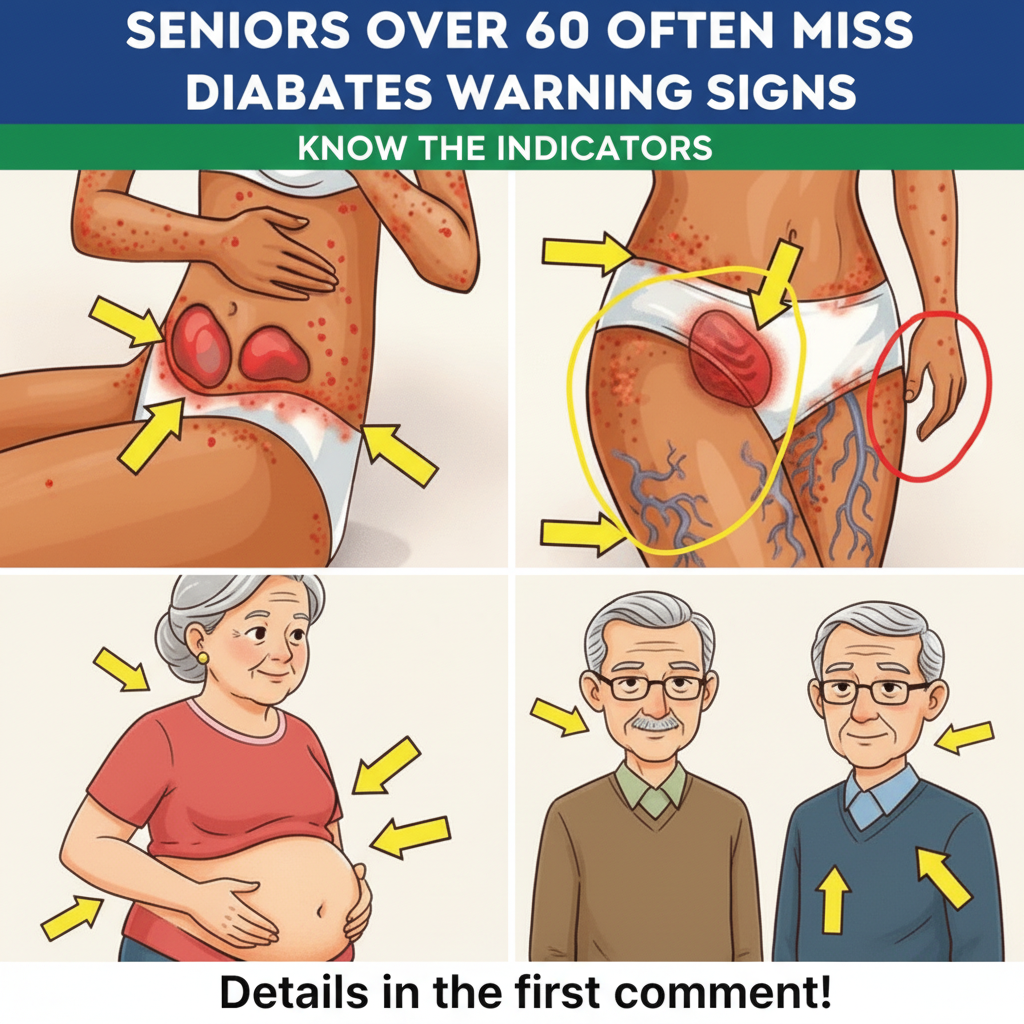
Recurring vaginal yeast infections, persistent itching, or urinary tract issues that keep returning can signal higher sugar levels, which create an overly hospitable environment for yeast and bacteria to thrive. Women are particularly susceptible to these infections due to anatomical factors and hormonal influences, and research indicates they often manifest earlier or more noticeably in women than in men.
🍽️ 6. Heightened Hunger Even After Meals
Feeling ravenously hungry shortly after eating, or experiencing constant food cravings despite regular meals, happens when your cells are starved for usable energy while sugar accumulates in your bloodstream. For women managing weight or experiencing hormonal appetite swings, this can feel particularly confusing. Nevertheless, it’s a key pattern directly linked to developing insulin resistance.
🩹 7. Slow-Healing Wounds and Skin Changes
Minor scrapes or bruises that take an unusually long time to heal, or the appearance of darkened, velvety patches of skin (known as acanthosis nigricans) on the neck, armpits, or groin, reflect how elevated sugar impairs circulation and the skin’s natural repair processes. Women may notice these changes during routine self-care and mistakenly attribute them to aging skin, but they often signify underlying glucose regulation issues.
🖐️ 8. Tingling, Numbness, or Unusual Sensations
A subtle pins-and-needles sensation, mild numbness, or other unusual feelings in the extremities—particularly hands and feet—can emerge from the early nerve effects of prolonged high blood sugar. Women might first become aware of this during activities like yoga, walking, or at night, frequently attributing it to poor circulation or awkward sleeping positions, when it could be an early neuropathy symptom.
🧠 9. Unexplained Mood Swings or Irritability
Experiencing sudden shifts in mood, increased irritability, or feeling uncharacteristically anxious or restless without a clear cause can be a surprising, yet significant, indicator. Fluctuations in blood sugar directly impact brain chemistry and energy levels, leading to emotional instability. For women, these symptoms are often dismissed as stress, PMS, or perimenopausal changes, easily obscuring their connection to glucose regulation. This clue often ties together the impact of fatigue, hunger, and sleep disruption, highlighting how blood sugar instability can profoundly affect overall well-being and emotional balance.
Taking Action: Listen to Your Body
These subtle clues are not definitive diagnoses but rather invitations from your body to pay closer attention. While individually they might seem insignificant, when several of these patterns emerge together, especially for women, they warrant a conversation with a healthcare professional. Early recognition of prediabetes symptoms empowers you to implement proactive lifestyle changes—such as dietary adjustments, increased physical activity, and stress management—that can effectively manage blood sugar levels and potentially prevent or delay the onset of type 2 diabetes. Your body communicates in nuanced ways; learning to interpret its language is a powerful step towards better health and well-being.