 By admin
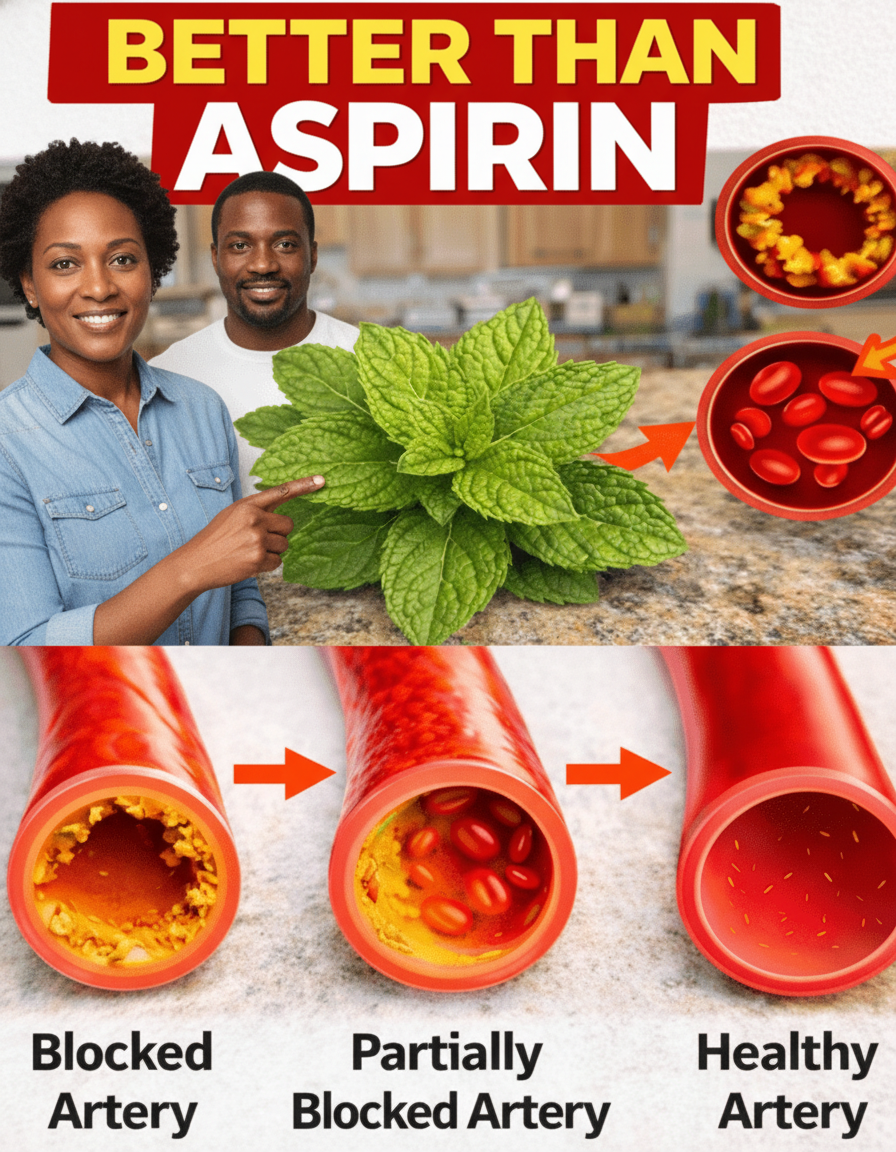
 For many individuals over the age of 50, the silent progression of plaque accumulation within the arteries—a condition known as atherosclerosis—is a quiet concern. This gradual hardening and narrowing of blood vessels can restrict vital blood flow, often stemming from prolonged dietary imbalances, systemic inflammation, and oxidative stress. The subtle signs might include unexplained fatigue, decreased endurance during routine tasks, or a general sense of unease that develops imperceptibly. The encouraging news is that incorporating specific, nutrient-dense foods into your diet can play a significant role. These everyday staples, brimming with powerful compounds such as antioxidants, beneficial fats, and natural nitrates, may actively contribute to enhanced arterial function, diminished inflammation, and improved circulatory health through natural mechanisms. What’s particularly compelling is that certain components within these foods exhibit mild effects akin to some established heart-protective strategies, yet without the associated complexities. Continue reading to discover which top food choices consistently receive strong support from scientific research.
Understanding Arterial Plaque: The Silent Threat
Atherosclerosis, the underlying cause of many cardiovascular issues, initiates when various substances—including cholesterol, fats, and cellular waste products—begin to accumulate on the inner walls of your arteries. Over time, these deposits solidify into what is known as plaque, progressively hardening and constricting the vital pathways through which blood flows. Crucially, chronic inflammation acts as a catalyst in this process, drawing more debris and exacerbating the restriction of oxygen-rich blood to essential organs, including the heart itself. Studies indicate that a significant number of middle-aged and older adults are affected by this condition, often remaining asymptomatic until common activities, like ascending a flight of stairs, become noticeably more challenging. Your dietary choices wield considerable power here: diets rich in highly processed foods, unhealthy fats, and refined sugars can accelerate plaque formation, whereas a regimen emphasizing nutrient-dense, whole foods can actively work to counteract it by promoting healthy cholesterol levels, mitigating oxidative stress, and fostering optimal vessel elasticity.
The Shift Towards Dietary Interventions for Heart Health
Historically, low-dose aspirin has been a common recommendation for cardiovascular protection, primarily due to its capacity to inhibit platelet aggregation. However, evolving guidelines from authoritative bodies such as the U.S. Preventive Services Task Force (USPSTF) and the American Heart Association (AHA) now highlight a crucial distinction: for primary prevention—meaning in individuals who have not previously experienced a cardiovascular event—particularly those over 60, the potential risks of bleeding may frequently outweigh the benefits. Personal health factors are paramount, and any medical decisions must always be made in consultation with a qualified healthcare provider. This significant paradigm shift has brought natural, food-based strategies into sharper focus. Foods abundant in beneficial compounds like omega-3 fatty acids, potent polyphenols, natural nitrates, and even mild salicylates, can exert supportive influences on inflammatory pathways, platelet function, and overall vascular integrity. These benefits are often observed within broader eating patterns, such as the well-regarded Mediterranean diet, which numerous studies have linked to a slower progression of arterial plaque and improved cardiovascular biomarkers. But the story doesn’t end there; let’s explore the specific foods that consistently shine in scientific research.
9 Research-Backed Foods to Boost Arterial and Cardiovascular Health
The following food selections are grounded in extensive research on heart health, spotlighting their mechanisms in areas such as inflammation reduction, effective cholesterol management, and enhanced vascular function. Incorporating these into your regular diet can be a powerful step towards maintaining robust arterial health.
1. Berries (Blueberries, Strawberries, Raspberries)
These vibrant fruits are true nutritional powerhouses, brimming with an array of flavonoids and potent antioxidants. Research consistently demonstrates that regular consumption of berries is associated with improved endothelial function—the health of the inner lining of your blood vessels—and a reduction in key markers linked to atherosclerosis. Their rich antioxidant profile helps combat oxidative stress, a major contributor to arterial damage.
2. Extra Virgin Olive Oil (EVOO)
A cornerstone of the Mediterranean diet, extra virgin olive oil is highly valued for its abundance of heart-healthy monounsaturated fats (MUFAs) and powerful polyphenols. Numerous studies, particularly those investigating Mediterranean eating patterns, have strongly linked EVOO consumption to a reduced rate of arterial plaque progression and superior protection for blood vessel walls. Its anti-inflammatory and antioxidant properties are key to these cardiovascular benefits.
3. Fatty Fish (e.g., Salmon, Mackerel, Sardines)
Cold-water fatty fish are an excellent source of long-chain omega-3 fatty acids, specifically EPA and DHA. These essential fats are renowned for their significant anti-inflammatory effects throughout the body and their potential to help stabilize existing arterial plaques, reducing the risk of rupture. Leading heart health organizations universally recommend incorporating at least two servings of fatty fish into your diet each week for optimal cardiovascular benefits.
4. Beans and Legumes (e.g., Lentils, Chickpeas, Black Beans)
Beans and legumes are nutritional champions, packed with soluble fiber and a diverse range of beneficial plant compounds. Extensive research consistently connects their regular intake with a significantly lower risk of heart disease. Their soluble fiber content plays a crucial role in binding to dietary cholesterol in the digestive tract, preventing its absorption, while their rich array of phytonutrients contributes to powerful anti-inflammatory effects that protect arterial health.
5. Oats and Other Whole Grains
Starting your day with a bowl of oats or opting for other whole grains like barley or brown rice provides a generous dose of soluble fiber, particularly beta-glucan. This specific fiber is highly effective at reducing the absorption of dietary cholesterol into the bloodstream, thereby contributing to a healthier overall lipid profile and supporting robust arterial function.
6. Avocados
The creamy texture of avocados comes from their high concentration of monounsaturated fats (MUFAs). These healthy fats are well-known for their ability to promote favorable cholesterol profiles by helping to raise beneficial HDL cholesterol and lower harmful LDL cholesterol. This action, in turn, can contribute to a reduction in the fatty buildup within arterial walls, safeguarding against atherosclerosis.
7. Nuts (e.g., Almonds, Walnuts, Pecans)
A handful of nuts makes for a powerful snack for arterial health. Varieties like almonds and walnuts are rich in healthy monounsaturated and polyunsaturated fats, antioxidant vitamin E, and dietary fiber. This potent combination works synergistically to combat oxidative damage—a key process involved in the initiation and progression of arterial plaque—while also supporting healthy cholesterol levels.
8. Garlic
Beyond its culinary appeal, garlic possesses remarkable medicinal properties. Its key active compounds, particularly allicin, have demonstrated promising effects in research. These include modest support for improved blood flow and mild antiplatelet activity, which can help prevent the excessive clumping of platelets that contributes to clot formation and arterial blockages. Incorporating garlic into your meals is a simple yet effective way to support vascular health.
9. Leafy Greens (e.g., Spinach, Kale, Arugula)
Dark, leafy green vegetables are nutritional powerhouses, notably for their high concentration of natural nitrates. Once consumed, the body efficiently converts these nitrates into nitric oxide, a crucial molecule that signals blood vessels to relax and widen. This physiological response is vital for supporting healthy blood flow and plays a significant role in maintaining optimal blood pressure regulation, directly benefiting arterial health.
Synergistic Benefits: Crafting Heart-Healthy Meals
The true power of these foods is often amplified when they are combined in well-balanced meals. For instance, consider assembling a vibrant salad featuring dark leafy greens, a medley of fresh berries, a sprinkle of crunchy nuts, and a generous drizzle of extra virgin olive oil. This approach not only enhances flavor but also creates a synergistic effect, where the combined nutrients work together more effectively to support comprehensive arterial and cardiovascular wellness.
Holistic Protection: How These Foods Tackle Arterial Risks
These heart-healthy foods offer a multi-faceted approach to protecting your arteries by targeting common risk factors:
- Counteracting Processed Fats & Sugars: Foods like berries and oats, rich in antioxidants and fiber, help mitigate the oxidative stress and inflammation often exacerbated by diets high in processed ingredients.
- Reducing Chronic Inflammation: Fatty fish (omega-3s) and extra virgin olive oil (polyphenols) are potent anti-inflammatory agents, easing the systemic response that contributes to plaque buildup.
- Combating Oxidative Damage: Nuts, berries, and leafy greens supply a wealth of antioxidants, safeguarding arterial cells from damage caused by free radicals.
- Optimizing Cholesterol Levels: Beans, oats, avocados, and nuts contribute soluble fiber and healthy fats that support a balanced lipid profile, reducing harmful LDL cholesterol.
- Improving Blood Vessel Function: Leafy greens (nitrates) and garlic (allicin) promote arterial relaxation and better blood flow, essential for maintaining vascular integrity.
By strategically incorporating these research-backed foods into your daily regimen, you can actively support your body’s natural defenses against arterial plaque and foster long-term cardiovascular health. Remember, while diet is a powerful tool, it should complement other healthy lifestyle choices and regular consultation with your healthcare provider.