 By admin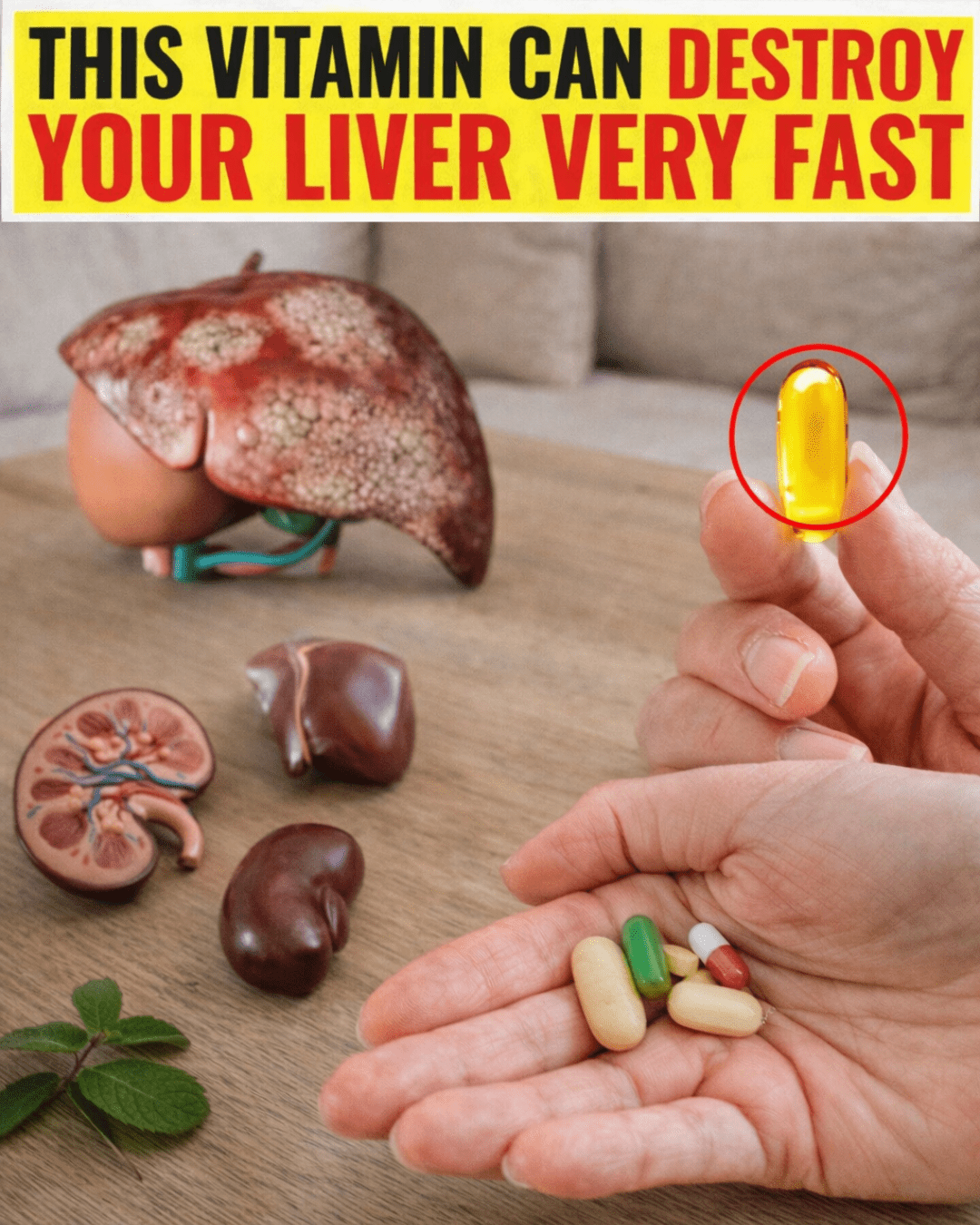
Many people take vitamins and supplements daily, believing they support health and fill nutritional gaps. However, what starts as a well-intentioned habit can sometimes backfire when certain popular ones are taken in high doses or over long periods, potentially leading to serious strain on the liver and kidneys. Research shows that herbal and dietary supplements now account for a growing portion of liver injury cases, with similar concerns for kidney function in vulnerable individuals. The good news is that awareness and moderation can make a big difference in protecting these vital organs.
In this article, we’ll explore 9 vitamins and supplements that have been linked to potential harm to the liver and kidneys when misused. But stick around until the end—there’s a simple, practical strategy that could help you avoid these risks entirely while still supporting your overall wellness.

Why Your Liver and Kidneys Are at Risk from Supplements
Your liver processes almost everything you ingest, including supplements, breaking them down and filtering out toxins. Your kidneys filter blood, remove waste, and regulate fluids and minerals. When supplements contain high concentrations of active compounds—or when they’re taken excessively—these organs can become overwhelmed.
Studies from sources like the National Institutes of Health (NIH) and Drug-Induced Liver Injury Network indicate that herbal and dietary supplements contribute to up to 20% of liver injury cases in recent years. For kidneys, excess minerals or certain compounds can lead to issues like stone formation or reduced function, especially in those with pre-existing conditions.
But here’s the key: most problems arise from high doses, poor-quality products, or interactions—not normal dietary intake.
9 Supplements Linked to Potential Liver and Kidney Concerns
Here are some commonly used ones backed by reports and research showing risks, particularly at elevated levels.
1. High-Dose Vitamin A
Vitamin A supports vision and immune function, but excess (especially from synthetic forms or supplements over 40,000 IU daily) can accumulate in the liver, leading to toxicity, inflammation, and even scarring over time. Studies note this as one of the few vitamins directly linked to liver issues when overconsumed.

2. Niacin (Vitamin B3) in High Doses
Used for cholesterol support, therapeutic niacin doses (often 1-3 grams daily) have been associated with liver enzyme elevations and, in rare cases, more serious damage. Stick to food sources or lower doses unless supervised.
3. Green Tea Extract
Popular for weight loss and antioxidants, concentrated extracts (not just brewed tea) have been implicated in acute liver injury in multiple reports. The risk rises with high doses or fasting use.
4. Turmeric/Curcumin (Especially Enhanced Forms)
Turmeric is praised for anti-inflammatory benefits, but high-dose or bioavailable supplements (often with black pepper) have surged in liver injury reports recently. Research highlights cases of hepatitis-like reactions.
5. Ashwagandha
An adaptogen for stress relief, it’s increasingly linked to liver toxicity in case studies, particularly with prolonged or high-dose use.
6. Garcinia Cambogia
Marketed for weight loss, this has been tied to severe liver issues in some users, with patterns of acute hepatitis.

7. Black Cohosh
Often taken for menopausal symptoms, it’s among botanicals frequently reported in liver injury databases.
8. High-Dose Vitamin C
While generally safe, very high amounts (over 2,000 mg daily) can increase oxalate levels, raising kidney stone risk—especially in those prone to stones or with reduced kidney function.
9. Creatine (in Excess or with Pre-Existing Issues)
Common for muscle building, it may stress kidneys in high doses or those with impaired function, potentially leading to elevated creatinine or other concerns.
Here’s a quick comparison of common risks:
- Primarily Liver-Focused: Green tea extract, turmeric, ashwagandha, garcinia cambogia, black cohosh, high-dose vitamin A, niacin.
- Primarily Kidney-Focused: High-dose vitamin C (stones), creatine (strain), excess calcium/iron (in some cases).
- Both Possible: Multi-ingredient products or overuse of any.
But that’s not the full picture—many cases involve multi-ingredient formulas where the exact culprit is unclear.

Actionable Tips to Protect Your Liver and Kidneys
You don’t have to swear off all supplements. Here’s a step-by-step approach to use them more safely:
- Consult a healthcare professional first — Especially if you have any health conditions, take medications, or plan long-term use. They can check for interactions.
- Stick to recommended doses — Follow label guidelines and avoid “megadosing” unless advised.
- Choose reputable brands — Look for third-party testing (USP, NSF) to ensure purity and avoid contaminants.
- Monitor your body — Watch for signs like fatigue, jaundice (yellow skin/eyes), dark urine, abdominal pain, or swelling. Stop and seek help if noticed.
- Prioritize food sources — Get nutrients from whole foods whenever possible—it’s safer and more balanced.
- Review regularly — Reassess your supplement routine every 6-12 months with your doctor.
Following these can dramatically lower risks while letting you benefit from supplements when needed.
Conclusion
Supplements can be helpful tools for health, but the evidence shows that some popular ones—like certain herbals and high-dose vitamins—carry real potential for stressing the liver and kidneys. By staying informed, using moderation, and prioritizing professional guidance, you can make smarter choices that support rather than harm your body. The real secret to long-term wellness? Balance, awareness, and listening to your health team—not chasing quick fixes.
FAQ
What are early signs of liver or kidney issues from supplements?
Common ones include unusual fatigue, nausea, yellowing of the skin/eyes, dark urine, swelling in legs/abdomen, or changes in urination. Contact a doctor promptly if these appear.
Are all vitamins safe for the liver and kidneys?
Most are when taken at standard doses from food or basic multivitamins. Problems usually stem from very high doses of fat-soluble vitamins (like A) or specific herbals.
Should I stop all supplements if I have liver or kidney concerns?
Not necessarily—discuss with your doctor. Some may be fine or even beneficial, but others should be avoided or monitored closely.
Disclaimer: This article is for informational purposes only and is not a substitute for professional medical advice. Always consult a qualified healthcare provider before starting, stopping, or changing any supplement regimen, especially if you have existing health conditions. Individual responses vary, and supplements are not regulated like medications.