 By admin
 9 Natural Approaches to Soothe Varicose Vein Symptoms and Promote Optimal Blood Flow
Living with varicose veins can often mean experiencing a persistent sensation of heaviness and fatigue in your legs, turning everyday activities like walking or standing into a noticeable effort. Beyond the physical discomfort, the appearance of visible, twisted veins can be a source of frustration, affecting both your daily mobility and self-confidence. Fortunately, integrating simple, natural habits into your routine can offer significant relief and foster healthier blood flow. Continue reading to discover these practical tips, including a surprising approach towards the end that could transform your leg wellness regimen.
Understanding Varicose Veins: Causes and Symptoms
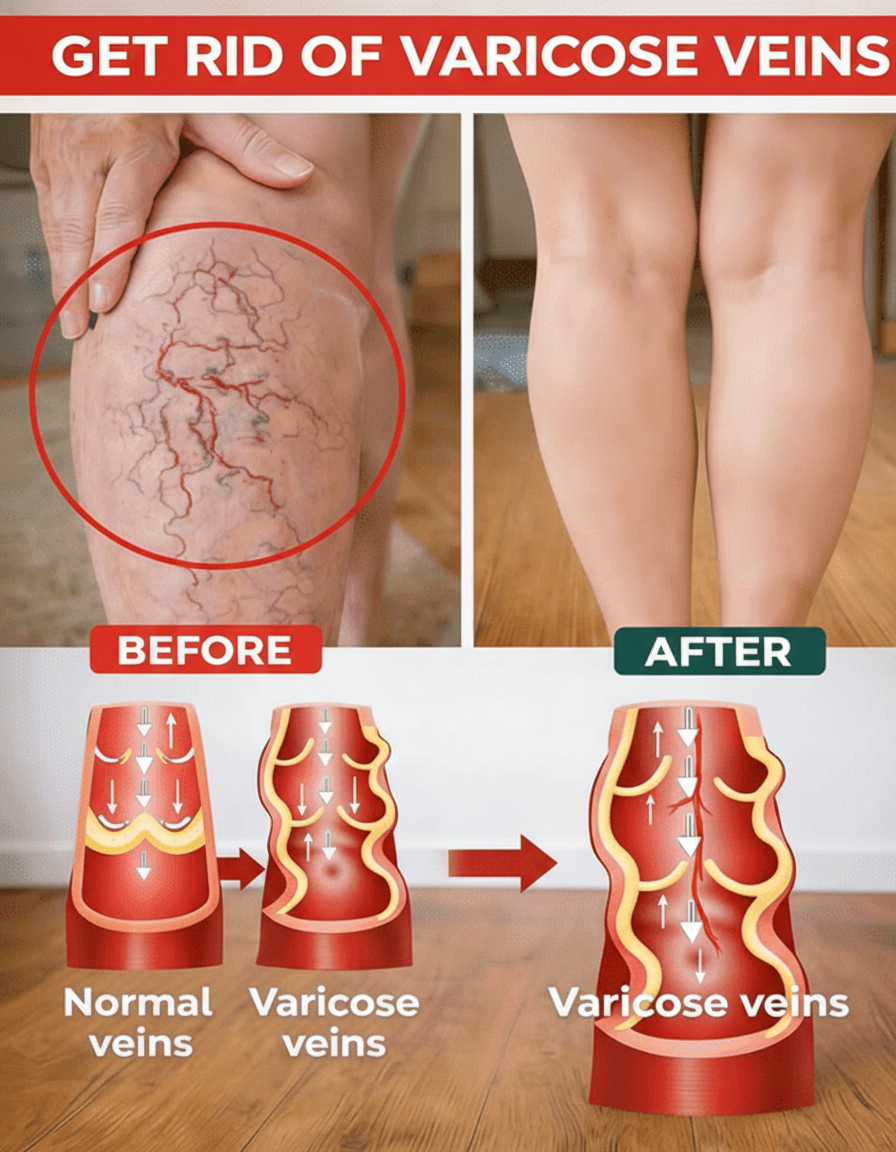
Varicose veins are characterized by their swollen, contorted appearance, predominantly found in the legs. Their formation stems from weakened or damaged valves within the veins. These crucial valves are designed to ensure one-way blood flow back to the heart; when compromised, they permit blood to accumulate, leading to venous pooling. This accumulation often manifests as persistent discomfort, noticeable swelling, and a feeling of tiredness in the affected limbs. Various elements contribute to their onset, including advancing age, genetic predisposition, pregnancy, and extended periods of immobility, whether sitting or standing. Insights from reputable bodies like the National Institutes of Health highlight the significant impact of lifestyle choices on overall vein health. Grasping these underlying mechanisms is key to exploring effective supportive measures. Now, let’s explore actionable steps you can integrate into your daily life.
9 Natural Approaches to Support Varicose Vein Health
Below, we detail nine evidence-backed strategies that can contribute to symptom alleviation and improved circulatory function. It’s crucial to remember that these suggestions serve as complementary methods and should not substitute professional medical advice.
-
1. Embrace Regular Low-Impact Physical Activity
Engaging in physical activity is profoundly beneficial for enhancing leg circulation. Low-impact options, such as brisk walking or swimming, are excellent choices as they facilitate blood flow through your veins without imposing undue stress. Aim for at least 30 minutes of walking daily, focusing on a pace that actively engages your calf muscles—these muscles are vital, functioning as natural pumps to propel blood upwards. Research, including findings highlighted in the Journal of Vascular Surgery, consistently demonstrates that regular exercise significantly bolsters venous function. Consider incorporating yoga postures that involve elevating your legs for an added circulatory boost. What’s more, even brief periods of movement throughout the day can be impactful; prioritize consistency in your routine over strenuous intensity.
-
2. Focus on a High-Fiber Diet
A diet rich in fiber plays a crucial role in maintaining digestive regularity, which in turn indirectly supports vein health by mitigating the abdominal pressure often associated with constipation. Integrate fiber-rich options like oats, legumes, and a variety of fresh vegetables into your daily meals. These foods also contribute to maintaining a healthy body weight, thereby lessening the strain on your leg veins. According to nutritional studies from the American Heart Association, a high-fiber diet promotes holistic circulatory wellness. Complement this with whole grains for sustained energy levels. For enhanced benefits, consider combining this dietary focus with our next recommendation.
-
3. Incorporate Flavonoid-Rich Foods
Flavonoids are powerful natural compounds abundant in many fruits and vegetables, known for their potential to support blood vessel relaxation and optimize blood flow. Excellent sources include vibrant berries, tangy citrus fruits, and even dark chocolate (consumed in moderation). These compounds may help reduce blood pooling in the veins. A comprehensive review published in the journal Nutrients emphasizes the positive impact of flavonoids on overall vascular health. A delicious way to start your day could be a smoothie blended with blueberries and oranges. Remember, even minor dietary adjustments can yield significant long-term benefits for your vein health.
-
4. Maintain Optimal Hydration Throughout the Day
Adequate water intake is fundamental for preventing blood from becoming overly viscous, ensuring smoother and more efficient circulation. Strive to consume at least eight glasses of water daily, increasing your intake if you lead an active lifestyle. Herbal infusions like ginger or chamomile tea can also contribute to your fluid intake while offering additional anti-inflammatory advantages. The National Library of Medicine highlights that proper hydration is key to maintaining healthy blood viscosity. Instead of consuming large amounts at once, sip water consistently throughout the day. Here’s a bonus tip: infuse your water with lemon slices for a refreshing twist and an extra dose of Vitamin C.
-
5. Regularly Elevate Your Legs
Leveraging the power of gravity, elevating your legs above heart level can significantly aid in blood return to the heart, potentially diminishing swelling and discomfort. Practice this simple technique for 15-20 minutes, several times daily, especially after prolonged periods of standing or sitting. You can comfortably lie on your back with your legs propped against a wall or supported by pillows. Clinical research, including studies from the esteemed Cochrane Library, consistently demonstrates that this straightforward habit can markedly improve venous return. Transform this into a calming ritual by enjoying a book or podcast during your elevation sessions. For even greater results, consider pairing this with the benefits of compression therapy.
-
6. Utilize Compression Stockings
Compression stockings are specially designed garments that exert gentle, consistent pressure on your legs, effectively promoting upward blood flow towards the heart and potentially mitigating discomfort. Opt for graduated compression stockings, which provide firmest pressure around the ankles and gradually lessen towards the thigh. Wearing them throughout the day, particularly if your job involves prolonged standing, can be highly beneficial. Extensive research, including studies published in the British Journal of Surgery, underscores the efficacy of compression therapy in managing varicose vein symptoms and improving venous return. For optimal results, ensure a proper fit by consulting with a healthcare professional or a specialized retailer.
-
7. Avoid Prolonged Standing or Sitting
Maintaining one position for extended periods, whether standing still or sitting, can hinder healthy blood circulation in your legs and exacerbate varicose vein symptoms. If your daily routine requires long stretches of immobility, make a conscious effort to take regular breaks. Stand up and walk around for a few minutes every hour, or if sitting, perform simple ankle rotations and calf stretches. This proactive movement helps to reactivate your calf muscle pump, facilitating blood return to the heart and reducing pressure buildup in the lower limbs.
-
8. Opt for Comfortable Footwear and Loose Clothing
The choices you make regarding your attire can significantly impact leg circulation. High heels, for instance, can restrict the natural movement of your calf muscles, impairing their ability to pump blood effectively. Similarly, tight-fitting clothing, especially around the waist, groin, and legs, can impede blood flow and increase pressure on your veins. Prioritize comfortable, low-heeled shoes that allow for a full range of foot and ankle motion. Additionally, select loose, breathable garments that don’t constrict your body, thereby supporting unimpeded circulation.
-
9. Practice Gentle Leg Massage
A gentle self-massage can be a surprisingly effective way to stimulate blood flow and provide relief for tired, aching legs. Using light, upward strokes, starting from your ankles and moving towards your heart, can help encourage venous return. Consider incorporating natural oils like arnica or essential oils diluted in a carrier oil (e.g., coconut or almond oil) known for their soothing and anti-inflammatory properties. This not only aids circulation but also offers a moment of relaxation and self-care, contributing positively to your overall leg wellness routine.