 By admin
 9 Crucial Cancer Warning Signs You Shouldn’t Ignore
In our busy lives, it’s all too common to dismiss minor bodily changes—a nagging ache, persistent fatigue, or a general feeling of being unwell—as mere annoyances of aging or everyday stress. These subtle shifts often get overlooked, pushed aside by daily commitments and the assumption that they’re nothing serious. However, these seemingly insignificant symptoms could, in fact, be early cancer warning signs that demand your attention. Prompt recognition and a timely conversation with a healthcare professional can profoundly impact health outcomes.
Empowerment comes from knowledge. By familiarizing yourself with these nine frequently reported cancer indicators, you can adopt a more proactive approach to your health. Continue reading to discover essential insights that can help you feel more informed and in control of your well-being.
Why Early Cancer Detection is Paramount
Cancer frequently progresses silently, often without immediate, dramatic symptoms. Early cancer warning signs serve as your body’s critical alerts, signaling potential issues before they advance. Leading health organizations, such as the American Cancer Society, consistently highlight that identifying potential health concerns at an early stage dramatically enhances treatment options and significantly improves patient prognosis. The challenge lies in the fact that many of these early cancer symptoms can easily be mistaken for common, benign ailments—be it stress, general tiredness from a demanding schedule, or minor stomach upset. This very resemblance is precisely why they are so often disregarded. Yet, a heightened awareness can make all the difference. Let’s now explore the nine most frequently observed indicators that warrant your attention.
1. Unexplained Lumps or Persistent Thickening
Discovering a new lump or an unusual area of thickening anywhere on your body—be it in the neck, armpit, breast, groin, or elsewhere—can naturally cause worry. These potential cancer indicators often manifest as firm, sometimes painless, masses that do not resolve on their own. While the majority of lumps are benign (such as cysts or lymph nodes swollen due to infection), any new lump that grows in size or remains present for several weeks should prompt a medical assessment. Healthcare providers can employ diagnostic tools like ultrasound or biopsy to swiftly ascertain the underlying cause.
2. Unexplained Bleeding or Abnormal Clotting
The presence of blood where it shouldn’t be—such as in your urine, stool, when coughing, or experiencing unusual vaginal bleeding—can be a significant red flag for cancer. Furthermore, a sudden, painful swelling in one leg, without any prior injury, could indicate a deep vein thrombosis (DVT) and potentially signal a deeper issue. These particular cancer symptoms must never be dismissed, especially when they occur without any obvious explanation. Medical research frequently highlights that unexpected bleeding or clotting disorders can occasionally be among the earliest indicators of an underlying malignancy.
3. Significant, Unexplained Weight Loss
Shedding 10 pounds or more without making any alterations to your diet or exercise routine can initially feel puzzling, or even a welcome surprise. However, this is considered a classic and serious cancer warning sign that medical professionals always investigate thoroughly. When there’s a consistent and inexplicable reduction in body weight, it can often suggest metabolic shifts induced by a developing cancer. Studies published in reputable oncology journals consistently demonstrate a strong correlation between such unexplained weight loss and various types of cancer, particularly once other potential causes have been excluded.
4. Chronic Fatigue Unrelieved by Rest
While occasional tiredness is a universal experience, persistent fatigue that lingers despite adequate sleep and rest is a distinct concern. This profound, debilitating exhaustion can be one of the more subtle yet critical cancer warning signs, particularly noted in blood cancers. Healthcare specialists often observe that deep, unremitting fatigue can be an early symptom in conditions such as leukemia or lymphoma. If sufficient rest, proper hydration, and stress-reduction techniques fail to alleviate your fatigue, it is highly advisable to consult your doctor.
5. Evolving Moles or Skin Lesions
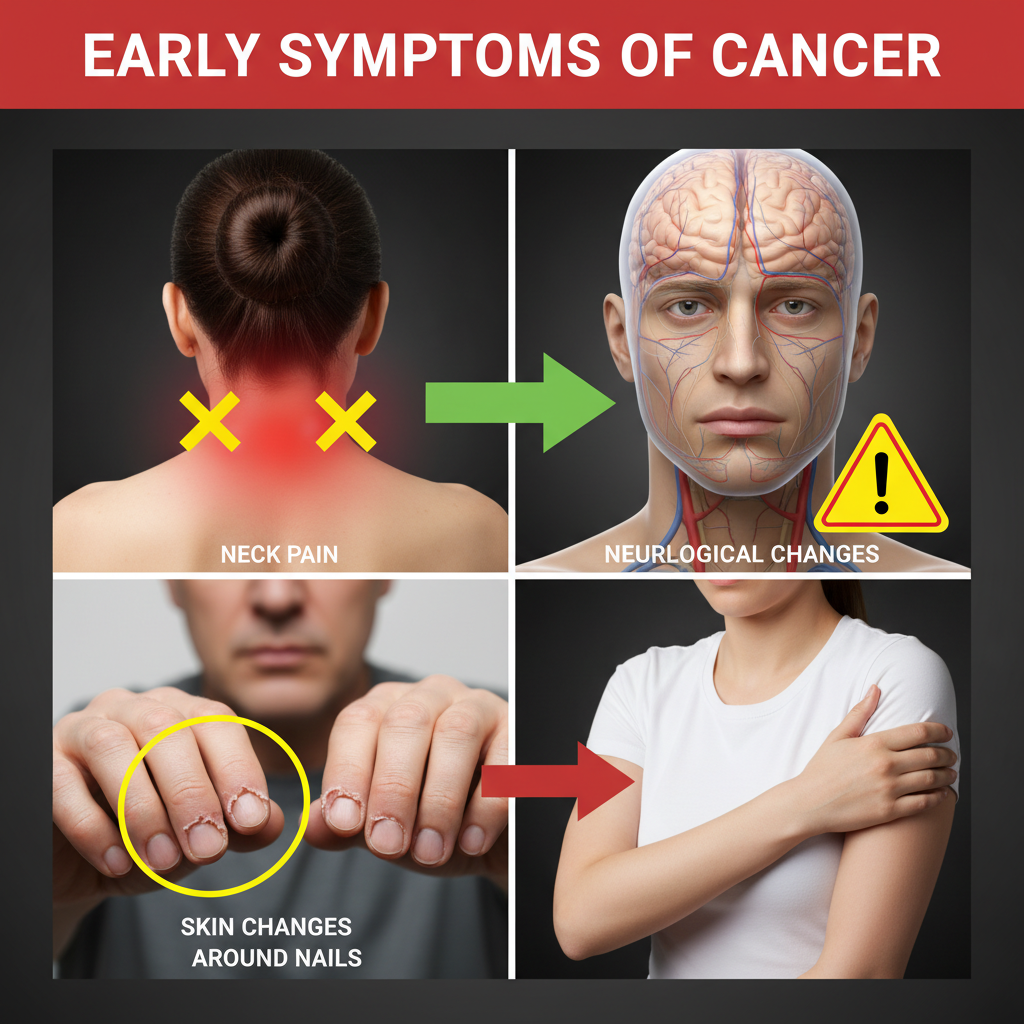
Any mole or skin spot that undergoes changes in size, shape, color, or begins to itch or bleed, represents a crucial cancer warning sign, especially for melanoma, a serious form of skin cancer. Dermatologists commonly utilize the ABCDE rule to evaluate the potential risk:
- Asymmetry: One half of the mole doesn’t match the other.
- Irregular Borders: The edges are ragged, notched, or blurred.
- Varied Colors: The color is not uniform and may include shades of brown, black, tan, white, red, or blue.
- Diameter: The spot is larger than 6 millimeters (about the size of a pencil eraser).
- Evolving: The mole is changing in size, shape, color, or developing new symptoms (like itching or bleeding).
Performing regular self-skin examinations and professional dermatological check-ups are vital for detecting these early cancer indicators when therapeutic interventions are most successful.
6. Persistent Alterations in Bowel Habits
Chronic diarrhea, ongoing constipation, or an alternating pattern between the two—especially when accompanied by blood in the stool or stools that are noticeably narrower than usual—can be significant cancer warning signs, particularly indicative of colorectal cancer. According to gastroenterology guidelines, any new and persistent changes in bowel habits lasting more than a few weeks warrant medical evaluation, often involving a colonoscopy, especially for adults over the age of 50, or sooner if other concerning symptoms are present.
7. Unrelenting Pain That Progresses
Persistent pain—whether located in the bones, abdomen, back, or any other part of the body—that gradually intensifies or fails to respond to typical remedies can be among the most frequently ignored cancer warning signs. It’s common for individuals to attribute such discomfort to benign conditions like arthritis, past injuries, or muscle strains. However, pain that continues or escalates despite conventional treatments necessitates thorough investigation, often requiring advanced imaging or a referral to a specialist.
8. Persistently Swollen Lymph Nodes
Lymph nodes, small, bean-shaped glands found throughout your body (e.g., neck, armpits, groin), play a crucial role in your immune system. While they commonly swell during infections, lymph nodes that remain enlarged for several weeks, particularly without any accompanying signs of infection or illness, can be a significant cancer warning sign. This persistence warrants medical evaluation, as it could indicate lymphomas, leukemias, or other cancers that have spread.
9. Persistent Cough or Hoarseness
A cough that doesn’t go away after a few weeks, or a persistent hoarseness in your voice, can sometimes be more than just a lingering cold or allergy. While often benign, a chronic cough (especially if accompanied by blood) or a voice change that lasts for an extended period could be a subtle cancer warning sign, particularly for lung, throat, or thyroid cancers. If these symptoms persist without improvement, a medical consultation is strongly recommended to rule out serious underlying conditions.
Recognizing these nine subtle cancer warning signs is the first crucial step towards proactive health management. While none of these symptoms alone definitively mean cancer, their persistence or combination warrants immediate medical attention. Your body often provides early signals, and listening to them can be life-saving. Don’t hesitate to discuss any new, unusual, or persistent symptoms with your doctor. Early detection significantly improves treatment success rates and overall prognosis. Prioritize your health and take action today.