 By admin
 As men navigate the journey of aging, particularly beyond the age of 50, it’s common to observe shifts in urinary patterns. Issues such as frequent nocturnal bathroom visits, a diminished urine stream, or a persistent sensation of incomplete bladder emptying can significantly disrupt both sleep and daily activities. These symptoms are frequently associated with Benign Prostatic Hyperplasia (BPH), a prevalent, non-cancerous enlargement of the prostate gland. Current research indicates that approximately half of all men may experience some degree of BPH by age 60, with this figure rising to an estimated 70-90% in older demographics.
The encouraging news is that a diet rich in a variety of fruits and vegetables delivers a powerful array of antioxidants, essential vitamins, and beneficial plant compounds crucial for overall prostate wellness. While no food can ever substitute for professional medical advice or prescribed treatments, certain fruits distinguish themselves due to their unique nutritional profiles. These include compounds like lycopene, beta-sitosterol, and resveratrol, which studies have linked to potential benefits for prostate health.
In this comprehensive guide, we will delve into eight accessible fruits, supported by nutritional science, exploring how they may contribute to prostate health and offering practical ways to integrate them into your daily routine. Continue reading to discover which fruit frequently earns top recognition for its exceptional blend of compounds.
Why Diet Matters for Prostate Health After 50
The gradual enlargement of the prostate can exert pressure on the urethra, leading to bothersome Lower Urinary Tract Symptoms (LUTS). These include a sudden urge to urinate, a weak urinary flow, and nocturia (the need to urinate multiple times during the night). Lifestyle factors, with diet being a significant component, play a vital role in maintaining optimal prostate function.
Observational studies and comprehensive reviews consistently suggest a correlation between a higher intake of antioxidant-rich foods and more favorable prostate health outcomes. Specific compounds, such as lycopene (a carotenoid abundant in red fruits), have demonstrated promise in both laboratory and population studies for supporting healthy cellular function within the prostate. Beta-sitosterol, a plant sterol, may contribute to improved urinary flow, while resveratrol and other polyphenols are instrumental in combating oxidative stress.
It’s crucial to remember, however, that these benefits stem from consistent, balanced dietary habits, not from isolated “miracle cures.” Here’s a brief moment for self-reflection: On a scale of 1 to 10, how significantly do urinary changes impact your current quality of life? Keep that thought in mind as we explore the beneficial fruits.
8 Fruits That Support Prostate Wellness
8. Red Grapes – A Source of Resveratrol for Inflammation Support
Red grapes are rich in resveratrol, a potent polyphenol extensively studied for its anti-inflammatory properties. Some research suggests that resveratrol may help mitigate prostate inflammation and support robust bladder function. To easily incorporate them, consider enjoying 15-20 grapes, preferably with the skin intact, in the evening. The skin and seeds are particularly concentrated with these beneficial compounds – chewing them can maximize their absorption. Freezing grapes also transforms them into a refreshing and nutrient-preserving snack. Pro tip: Pairing grapes with a small amount of healthy fat, such as a few nuts, can further enhance the absorption of resveratrol.
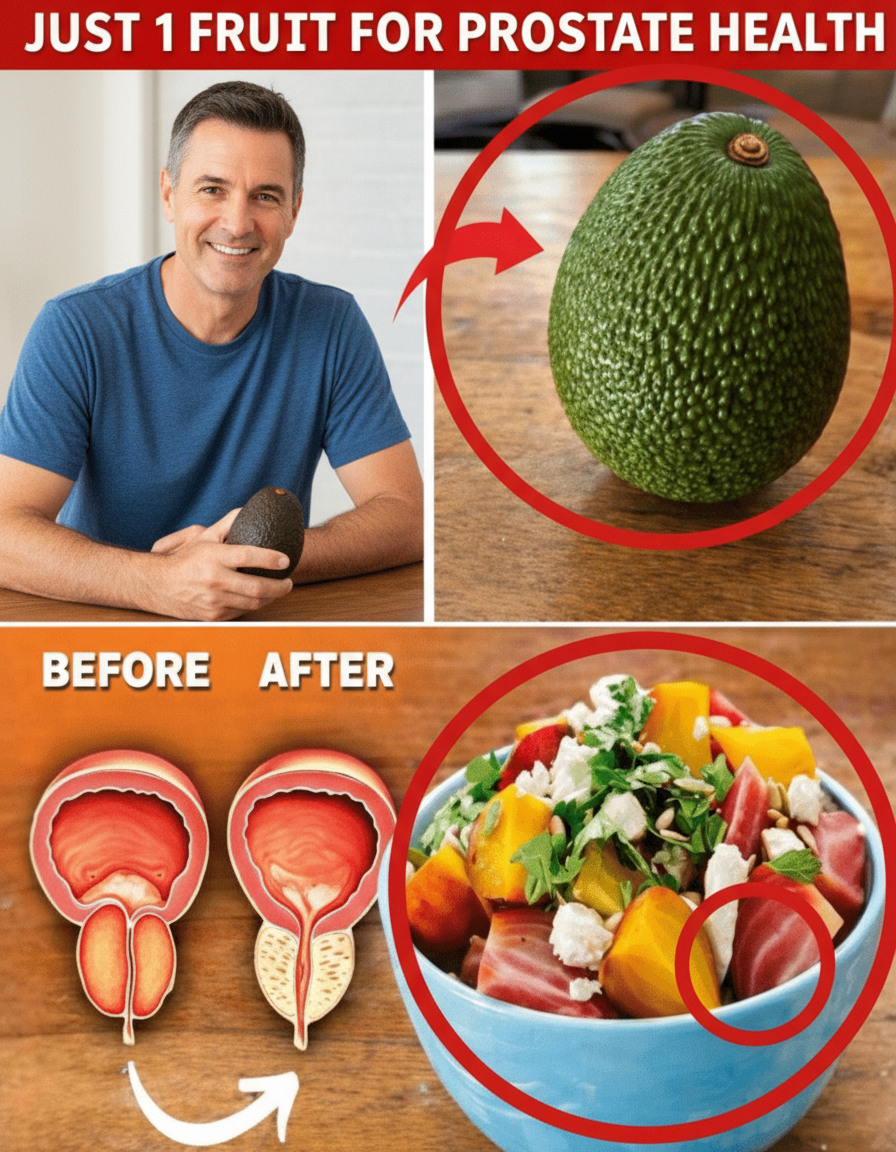
7. Avocado – A Key Source of Beta-Sitosterol for Urinary Flow
Avocados are an excellent source of beta-sitosterol, a plant sterol that studies have linked to improvements in urinary symptoms for men experiencing BPH. This nutrient may help alleviate swelling and promote a stronger, more consistent urinary flow. Aim for half an avocado daily – whether mashed on whole-grain toast or incorporated into your favorite salads. A squeeze of lime and a pinch of salt can not only enhance the flavor but also aid in nutrient uptake. Many men report gradual improvements in their urinary comfort when consistently including healthy fats, like those found in avocado, in their diet.
6. Cooked Tomatoes – The Lycopene Powerhouse
Tomatoes stand out as one of the most superior sources of lycopene, a powerful antioxidant with substantial evidence supporting its role in prostate health. The lycopene in tomatoes becomes more readily absorbed by the body when cooked, making tomato-based products like sauces, soups, or stews particularly beneficial. Strive to consume cooked tomato products 3-4 times a week. Drizzling them with olive oil can significantly multiply lycopene absorption, as healthy fats effectively transport this compound to bodily tissues. Population studies frequently highlight diets rich in tomatoes in relation to improved markers of prostate health.
5. Watermelon – Hydration Plus Lycopene and Citrulline
Watermelon not only provides lycopene but also offers citrulline, an amino acid known to support healthy blood flow and overall hydration. Maintaining adequate hydration is crucial for naturally flushing the urinary tract. Enjoy 2 cups of fresh watermelon daily, paying attention to the area near the rind, where lycopene tends to be more concentrated. This fruit is an excellent choice for staying hydrated, especially during warmer weather or extended travel. It masterfully combines refreshing taste with potential prostate-friendly nutrients.
4. Mixed Berries – An Antioxidant Boost Against Oxidative Stress
A diverse mix of berries, including strawberries, blueberries, raspberries, and blackberries, are packed with anthocyanins and vitamin C. These powerful antioxidants play a critical role in safeguarding cells from oxidative damage, a process implicated in prostate aging. Consuming a cup of mixed berries daily – whether fresh, frozen, or thawed – provides a robust protective shield. Interestingly, freezing and then thawing berries can even enhance the release of antioxidants by breaking down their cell walls. Berries offer an easy, delicious, and highly beneficial addition to any diet.
”
}
“`