 By admin
 It’s common for women to experience various bodily changes, often dismissing them as part of daily stress, the natural aging process, or typical menstrual fluctuations. However, certain persistent or unusual symptoms could indicate a more serious underlying health concern, such as cervical cancer. This condition typically progresses slowly, frequently without overt signs in its nascent phases, underscoring the critical importance of recognizing subtle shifts in your health.
Cervical cancer originates in the cervix, the lower segment of the uterus that connects to the vagina. The vast majority of cases are linked to persistent infection with the human papillomavirus (HPV), as highlighted by reputable organizations like the American Cancer Society and the CDC. Regular screenings, such as Pap tests and HPV tests, are instrumental in identifying precancerous changes at an early, highly treatable stage.
Below, we delve into 8 common warning signs of cervical cancer that warrant a discussion with your healthcare provider. Keep reading to learn about vital prevention strategies and essential next steps.
⚠️ Understanding Key Symptoms to Monitor
While these symptoms are not exclusively indicative of cervical cancer and can arise from numerous benign conditions, their new onset or persistence necessitates medical evaluation.
-
Abnormal Vaginal Bleeding
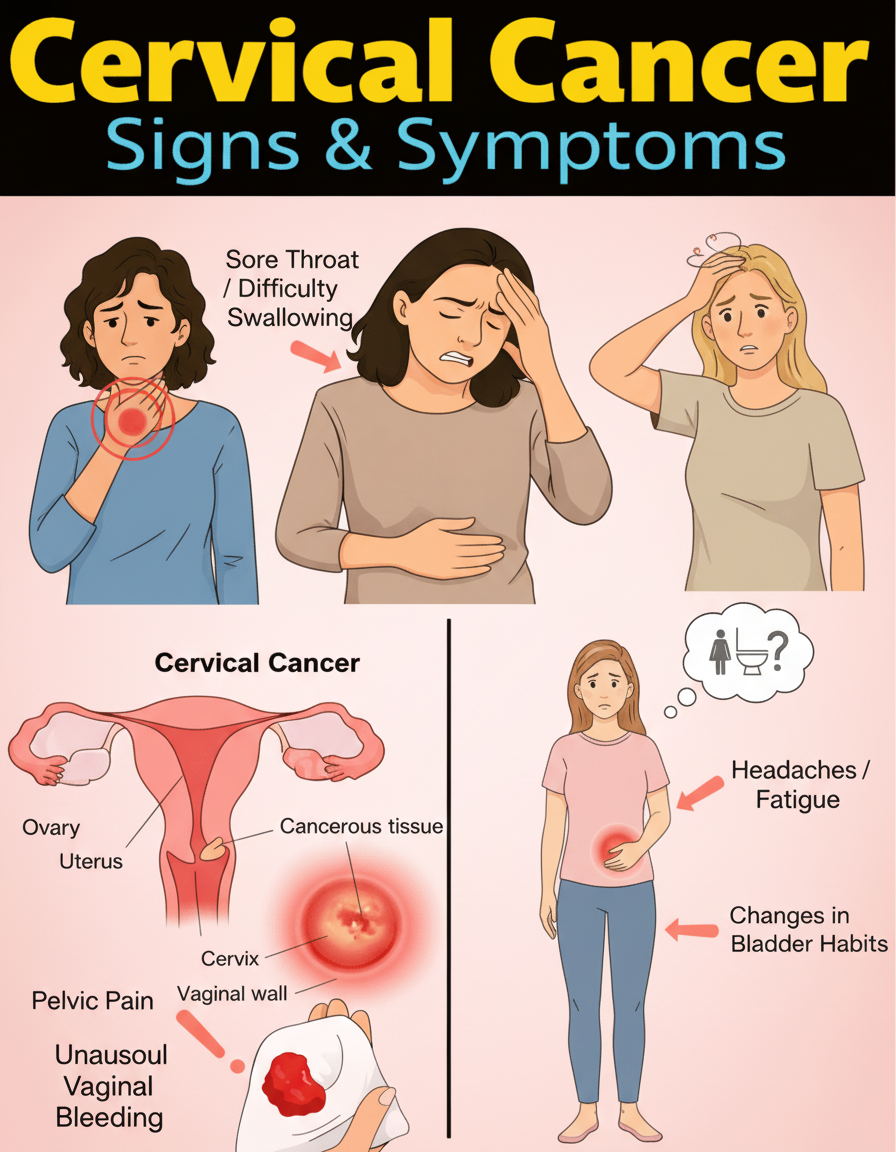
Experiencing bleeding that occurs between menstrual periods, following sexual intercourse, or after menopause is a frequently cited indicator. This bleeding can range from light spotting to a heavier flow and should never be overlooked as merely routine.
-
Unusual Vaginal Discharge
A notable change in vaginal discharge, particularly if it becomes watery, persistent, unusually odorous, or contains blood, merits attention. While various factors can alter discharge, ongoing changes require professional assessment.
-
Persistent Pelvic Discomfort or Pain
An ongoing ache or pressure in the pelvic region, lower abdomen, or back that does not resolve can sometimes be associated with more advanced stages of cervical conditions. It’s crucial to report any chronic discomfort.
-
Discomfort During Sexual Intercourse
Pain or a feeling of unease during sexual activity, medically known as dyspareunia, is a symptom reported by many women with cervical issues. This particular sign should prompt an immediate consultation with a doctor.
-
Unexplained Persistent Fatigue
Feeling unusually tired or weak without a clear explanation can sometimes accompany advancing health conditions, including cancer. This is often linked to anemia resulting from chronic blood loss or the body’s overall strain in fighting disease.
-
Unintentional Weight Loss
Losing a significant amount of weight without making conscious dietary changes or increasing physical activity, especially if accompanied by a reduced appetite, can be a non-specific but concerning symptom of various cancers, including cervical cancer.
-
Leg Swelling or Pain
In some instances, as cervical cancer progresses, it can press on nearby nerves and blood vessels, leading to swelling (edema) or pain in one or both legs. This symptom suggests a need for prompt medical investigation.
-
Changes in Urinary or Bowel Habits
While less common in the early stages, as the condition advances, pressure on the bladder or rectum can lead to symptoms such as frequent urination, urgency, difficulty urinating, or changes in bowel movements. These require evaluation.
Here’s a quick overview of these vital indicators:
| Sign | Common Timing | Why It Matters |
|---|---|---|
| Abnormal Bleeding | Between periods, after sex, or post-menopause | Often one of the earliest noticeable changes, signaling potential issues. |
| Unusual Discharge | Persistent, watery, or with an unusual odor | May indicate irritation, infection, or abnormal cell activity in the cervix. |
| Pelvic Pain | Ongoing or worsening discomfort | Could suggest inflammation or involvement of surrounding tissues. |
🔍 The Power of Screening and Early Detection
Cervical cancer stands out as one of the most preventable cancers, primarily through consistent routine screenings. Regular Pap tests and HPV screening are highly effective in identifying abnormal cellular changes or the presence of high-risk HPV types well before they develop into cancer. Leading health organizations recommend initiating these screenings around age 21 and continuing them regularly according to your doctor’s advice.
🛡️ Proactive Steps for Prevention
Adopting certain lifestyle choices and preventative measures can significantly reduce your risk of developing cervical cancer:
- Consider HPV Vaccination: The HPV vaccine is a powerful tool for prevention, highly effective against the HPV strains most commonly linked to cervical cancer. It is approved for a wide age range, and discussions with your healthcare provider can determine if it’s right for you.
- Attend Recommended Screenings: Adhere to your doctor’s schedule for Pap tests and HPV screenings. These regular check-ups are critical for early detection of cervical cancer.
- Practice Safer Sex: Using barrier methods like condoms can reduce the risk of HPV transmission, though it does not offer complete protection. Open communication with partners about sexual health is also important.
- Avoid Smoking: Smoking is a known risk factor that weakens the immune system, making it harder for the body to clear HPV infections and increasing the risk of cervical cancer. Quitting smoking significantly benefits overall cervical health.
Final Thoughts: Taking Charge of Your Health
Being aware of these common symptoms of cervical cancer empowers you to take proactive steps towards timely medical care. If you notice any changes in your body that feel unusual, particularly if they are persistent or worsening, do not hesitate to contact a healthcare professional promptly. Early diagnosis and intervention are paramount for effective treatment and improved outcomes.
Frequently Asked Questions
When should I consult a doctor about these signs?
You should seek medical advice for any new, persistent, or worsening changes in your body. It’s always best to address concerns promptly rather than waiting for multiple symptoms to appear.
How frequently should I undergo cervical cancer screening?
Guidelines, such as those from the USPSTF, recommend Pap tests every three years starting at age 21, or a combination of Pap and HPV testing every five years for women aged 30-65. Your doctor will advise the best schedule for you based on your individual risk factors.
Is the HPV vaccine beneficial for adults?
Yes, the HPV vaccine is approved for individuals up to age 45 in many regions. Even if you’ve been exposed to some HPV types, the vaccine can still protect against others. Discuss with your healthcare provider to understand its relevance for your specific situation.
Disclaimer: This article is intended solely for informational purposes and should not be used to diagnose, treat, cure, or prevent any disease. The information presented is based on general medical sources, including the American Cancer Society, CDC, and Mayo Clinic. Always consult a qualified healthcare professional for personalized medical concerns, screenings, or specific health advice. Early detection through professional medical care is crucial for optimal health outcomes.