 By admin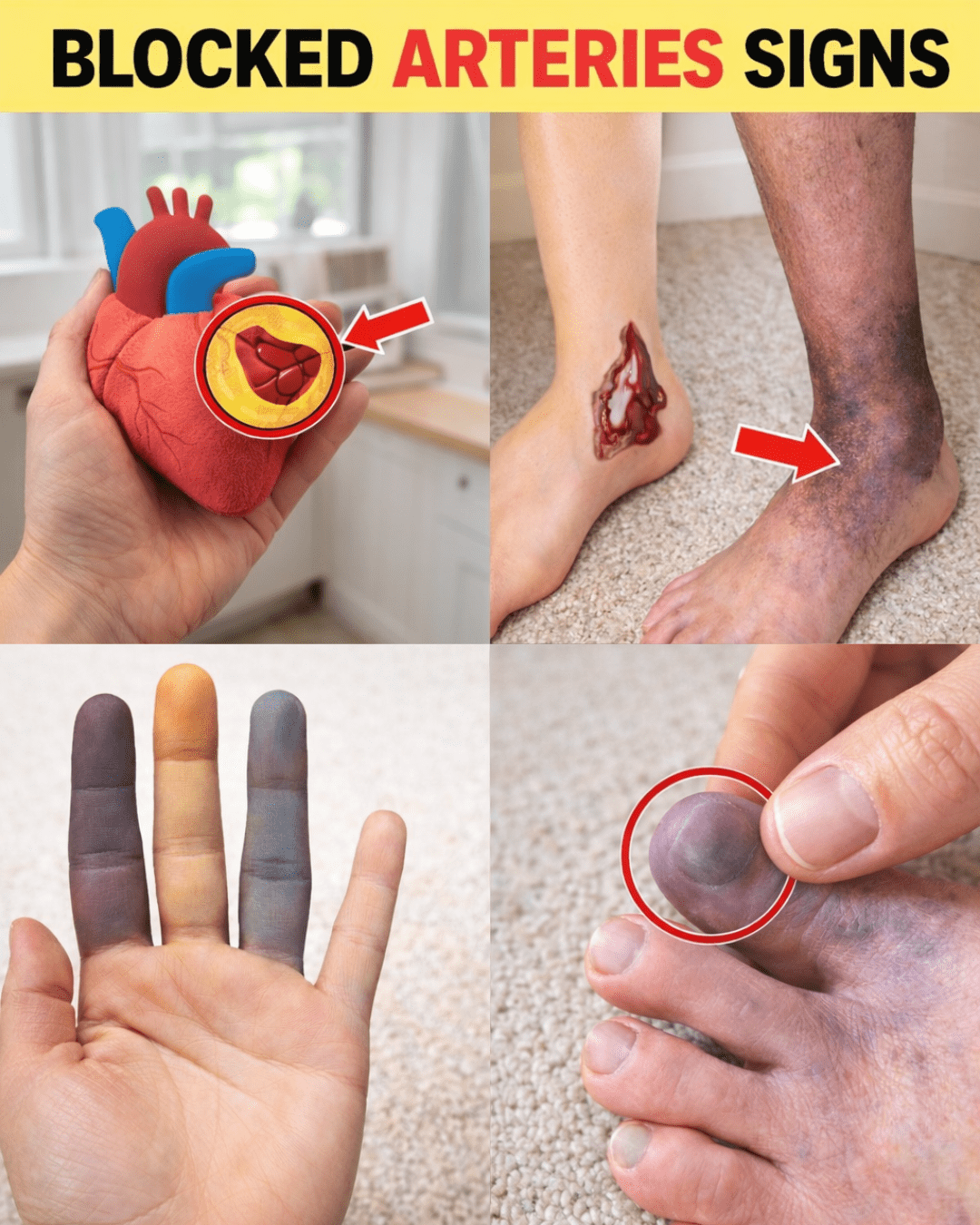
Peripheral artery disease (PAD) quietly affects millions, narrowing the arteries that carry blood to your legs and feet. Many people overlook early clues, mistaking them for normal aging or minor aches. This reduced blood flow can lead to persistent discomfort, slow-healing issues, and heightened risks for serious cardiovascular events like heart attack or stroke. The frustration builds when simple activities become painful or exhausting, yet most cases go unnoticed until complications arise. Recognizing these signs early offers a real chance to intervene and protect your mobility and overall health — and there’s one often-overlooked clue that could reveal the bigger picture before symptoms worsen.

Why Blocked Arteries in the Legs Are a Growing Concern After 40
As we age, plaque buildup in arteries becomes more common, restricting oxygen-rich blood from reaching muscles and tissues in the lower body. Studies show that PAD impacts around 6.5 million adults aged 40 and older in the United States, with prevalence rising sharply after age 60. Many remain unaware because symptoms start subtly and are often blamed on “getting older” or arthritis.
This isn’t just about inconvenience — poor circulation starves tissues of what they need, raising chances of chronic pain, infections, and even greater cardiovascular risks. Research from sources like the Centers for Disease Control and Prevention highlights how untreated PAD significantly increases the likelihood of heart-related events. But paying attention to your legs can provide vital clues about your vascular health.
Warning Sign #1: Intermittent Claudication – Pain That Strikes During Activity and Eases with Rest
The most recognized symptom of PAD is cramping, aching, or fatigue in the calves, thighs, or buttocks that appears during walking or exercise. The discomfort typically fades after a few minutes of rest, only to return when you move again. This pattern, known as intermittent claudication, happens because narrowed arteries can’t supply enough blood to meet the muscles’ increased demand during activity.
Research from the American Heart Association notes this as a key indicator in many PAD cases. If you find yourself stopping frequently on walks that used to feel easy, it’s worth noting — this isn’t always just stiffness or fatigue.

Warning Sign #2: Weak or Absent Pulses in the Legs and Feet
Healthy arteries produce strong, rhythmic pulses that doctors can feel at spots like behind the knee or on top of the foot. In PAD, these pulses may feel faint or disappear entirely due to restricted flow.
A physical exam often reveals this early, even before pain becomes prominent. The American Heart Association points out that absent pulses strongly suggest significant narrowing. While you might not check your own pulses reliably, noticing differences or asking during a checkup can flag potential issues.
Warning Sign #3: Changes in Skin Color or Temperature
One leg or foot may appear paler when elevated or take on a bluish tint when dangling. The affected area often feels noticeably cooler compared to the other side.
These visual and sensory changes stem from chronically reduced oxygen delivery to tissues. Sources like the Cleveland Clinic describe how severe blockages can cause such asymmetry. A simple side-by-side comparison in good lighting can highlight persistent differences that deserve attention.

Warning Sign #4: Slow-Healing Sores or Wounds on Legs and Feet
Minor cuts, blisters, or scrapes that linger for weeks without proper healing are a serious red flag. Poor circulation limits delivery of oxygen, nutrients, and immune support needed for repair.
This is especially concerning for those with diabetes, where PAD heightens risks of infections. Guidelines from health organizations emphasize that wounds lasting more than a couple of weeks aren’t normal and require prompt evaluation to prevent escalation.
Warning Sign #5: Shiny, Hairless Skin on the Legs
Over time, reduced blood flow can cause leg hair to thin or vanish below the knees, while skin becomes unusually smooth and shiny.
This subtle transformation occurs as hair follicles and skin structures suffer from inadequate circulation. Vascular studies have linked this appearance to moderate or advanced PAD in a notable portion of cases. Comparing both legs often makes the change more obvious.
Warning Sign #6: Erectile Dysfunction in Men as an Early Clue
In men, erectile dysfunction can appear years before leg symptoms emerge. The smaller arteries in the penis are affected earlier by the same plaque buildup causing PAD elsewhere.
Studies in medical journals indicate a strong overlap, with many men discovering broader vascular issues through this symptom. It’s not merely an age-related change — it may signal systemic arterial concerns worth discussing with a provider.

Warning Sign #7: Numbness, Tingling, or Ongoing Leg Weakness
Persistent heaviness, “pins and needles,” or weakness in the legs — even at rest — can develop as nerves and muscles receive insufficient blood supply over time.
This may mimic other conditions but often ties back to chronic ischemia in PAD. If unusual sensations linger or worsen, combining vascular and neurological checks becomes important.
Quick Comparison: The 7 Key Warning Signs of PAD
- Sign 1: Activity-related pain easing with rest — Oxygen demand unmet during movement — High urgency — Consult a doctor
- Sign 2: Weak or missing pulses — Severe flow restriction — Very high urgency — Immediate evaluation
- Sign 3: Skin color/temperature changes — Chronic low oxygen — High urgency — Check for asymmetry
- Sign 4: Non-healing wounds — Blocked healing resources — Critical (especially with diabetes) — Seek urgent care
- Sign 5: Shiny, hairless skin — Follicle and tissue starvation — Medium-high urgency — Compare legs
- Sign 6: Erectile dysfunction (men) — Early impact on smaller arteries — High urgency — Discuss openly
- Sign 7: Numbness/tingling/weakness — Nerve and muscle effects — High urgency — Combined assessment
Bonus Tips: Practical Steps You Can Take Today
Here are some evidence-based strategies to support leg circulation and overall vascular health:
- Quit smoking if you do — It’s one of the strongest modifiable factors, as it directly worsens artery narrowing.
- Stay active within comfort — Supervised walking programs can help build alternative blood pathways over time.
- Manage other risks — Control blood pressure, cholesterol, and blood sugar through diet, exercise, and any prescribed medications.
- Elevate legs periodically — This can ease swelling without aggravating flow issues.
- Schedule a check-up — Mention any signs to your provider; they may recommend a simple Ankle-Brachial Index (ABI) test, which compares arm and ankle blood pressures non-invasively to detect PAD early.
The Bottom Line: These Signs Are Your Body’s Early Warning System
Blocked arteries in the legs aren’t isolated — they often reflect broader vascular health. Catching PAD early through awareness and action can help maintain mobility, reduce discomfort, and lower risks for major events. Many people regain comfort and confidence with timely steps like lifestyle adjustments or medical guidance.
Don’t wait for symptoms to intensify. If even one of these signs resonates, reach out to a healthcare provider soon — early attention makes a meaningful difference.
FAQ
What is the most common early symptom of PAD?
The classic early sign is leg pain or cramping during walking that improves with rest, known as intermittent claudication.
Can PAD be reversed without surgery?
Lifestyle changes, such as quitting smoking, regular activity, and managing risk factors, often help slow progression and improve symptoms significantly for many people.
How is PAD typically diagnosed?
A common starting point is the Ankle-Brachial Index (ABI) test, a quick, painless comparison of blood pressures in arms and ankles; further imaging may follow if needed.
This article is for informational purposes only and is not a substitute for professional medical advice. Consult your healthcare provider if you notice any of these signs, especially rest pain, non-healing wounds, or sudden changes — prompt evaluation can help protect your health and limbs.