 By admin
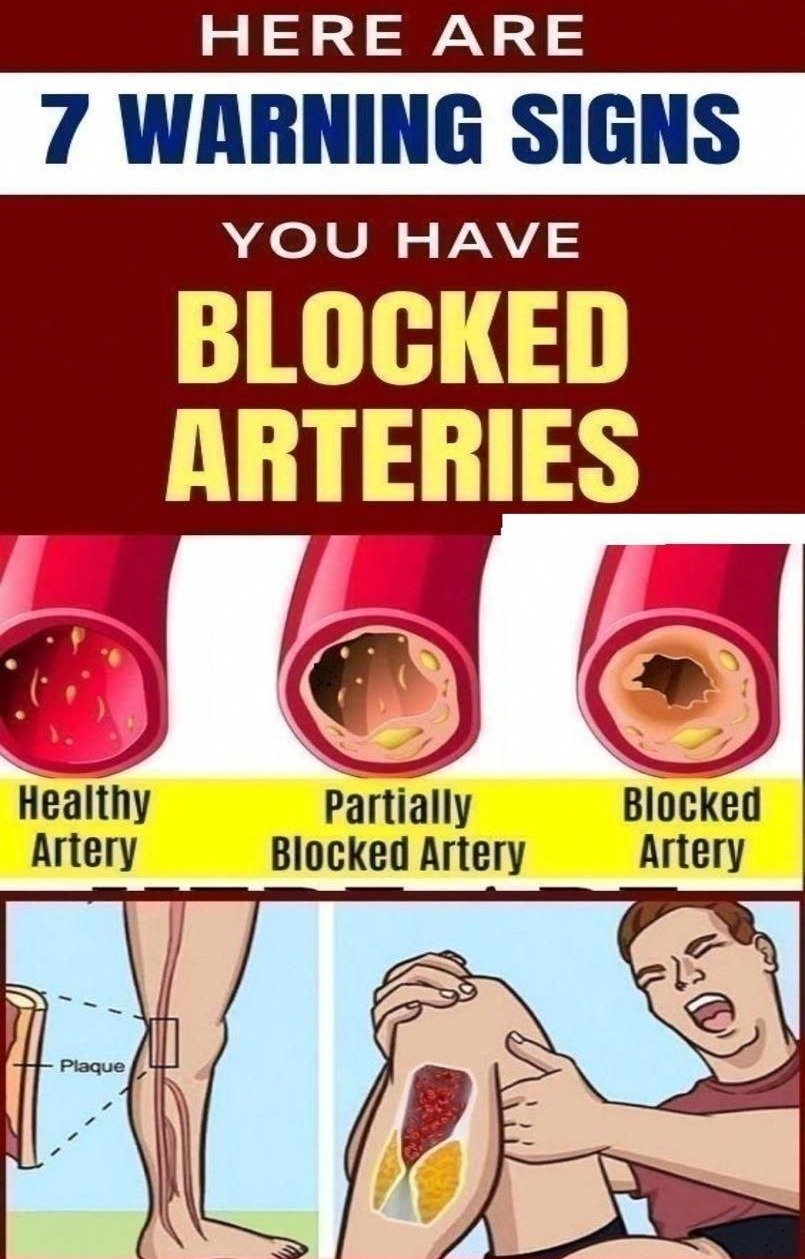
 When fatty deposits, commonly referred to as plaque, accumulate within your blood vessels, it leads to a condition known as atherosclerosis, or blocked arteries. This gradual buildup can progressively narrow the arteries, impeding vital blood flow and significantly elevating the risk of severe health complications such as a heart attack or stroke.
The difficulty lies in the fact that many individuals remain unaware of their blocked arteries until the symptoms reach an advanced stage. Consequently, being able to identify these early warning signs is absolutely vital for safeguarding your overall cardiovascular well-being.
Presented below are 7 critical warning signs that demand your attention and should never be overlooked.
1. Chest Pain (Angina)
Among the most frequently reported indicators of blocked arteries is chest pain, medically termed angina. This discomfort can manifest as:
-
A sensation of pressure or tightness in the chest area
-
A burning or squeezing feeling
-
Pain that radiates to your arms, neck, or jaw
This discomfort arises when the heart muscle is not receiving an adequate supply of oxygen-rich blood.
👉 Should you experience chest pain that is frequent or intensifies during physical activity, it is imperative to seek immediate medical assistance.
2. Shortness of Breath
When your arteries are obstructed, your heart’s ability to efficiently pump blood can be compromised. This inefficiency often results in:
-
Experiencing breathing difficulties during routine activities
-
A sensation of being out of breath even at rest
-
Profound fatigue following even minor physical effort
Shortness of breath frequently serves as an initial indicator of underlying cardiac problems.
3. Fatigue and Weakness
Unexplained or ongoing fatigue can be a subtle, yet significant, warning symptom. When the flow of blood is constricted:
-
Your muscles receive a diminished supply of oxygen
-
Your energy levels consequently decline
-
You might experience persistent tiredness without an obvious cause
This particular symptom is observed with greater frequency in women.
4. Numbness or Weakness in Limbs
Obstructed arteries can lead to a reduction in blood circulation to your arms or legs, manifesting as:
-
Sensations of numbness or tingling
-
Weakness affecting one side of your body
-
A feeling of coldness in your hands or feet (extremities)
If these symptoms manifest abruptly, they could also signal an elevated risk of stroke.
5. Dizziness or Lightheadedness
Inadequate circulation can impact your brain’s function, potentially resulting in:
-
Sudden onset of dizziness
-
A feeling of losing your balance
-
Sensations of faintness or lightheadedness
These occurrences often signal a temporary reduction in blood flow to the brain.
6. Swelling in Legs, Ankles, or Feet
When blood circulation becomes compromised, fluid can accumulate in the lower extremities, leading to:
-
Noticeable swelling in the ankles or feet
-
Skin that appears tight or unusually shiny
-
Discomfort experienced when standing or walking
This symptom is frequently associated with diminished heart function.
7. Erectile Dysfunction (in Men)
For men, erectile dysfunction can, in some cases, serve as an early warning sign of blocked arteries. This is because restricted blood flow impairs the body’s capacity to sustain adequate circulation to areas where it is essential.
Numerous medical professionals regard this as a significant potential early warning sign of cardiovascular disease.
What Causes Blocked Arteries?
A combination of lifestyle choices and existing health conditions can contribute to the accumulation of plaque in arteries, such as:
-
Elevated cholesterol levels
-
Tobacco smoking
-
Uncontrolled high blood pressure
-
Diabetes mellitus
-
Obesity
-
A sedentary lifestyle lacking physical activity
-
An unhealthy diet, particularly one rich in processed foods and saturated fats
How to Protect Your Arteries Naturally
Implementing straightforward lifestyle adjustments can substantially lower your risk of arterial blockage:
1. Eat a Heart-Healthy Diet
Prioritize the consumption of:
-
Abundant fruits and vegetables
-
Whole grains
-
Beneficial fats (such as olive oil and nuts)
-
Lean protein sources
2. Stay Physically Active
Strive for a minimum of 30 minutes of moderate physical activity on most days of the week.
3. Quit Smoking
Smoking is highly detrimental, as it directly harms blood vessels and significantly speeds up the process of plaque accumulation.
4. Manage Stress
Sustained, chronic stress can have adverse effects on your overall heart health.
5. Monitor Your Health
Regularly monitor your health status and consult with your healthcare provider for routine check-ups.