 By admin
 What if there was a cancer that’s almost entirely preventable, yet millions of women unknowingly miss its critical early warnings? Cervical cancer often whispers before it shouts, and understanding these subtle cues could literally be the difference between life and a devastating diagnosis. Catching these indicators early can dramatically boost treatment success and improve survival chances.
This comprehensive guide will empower you with essential knowledge, diving deep into the most crucial cervical cancer symptoms, exploring its underlying causes, and advising precisely when you need to seek professional medical attention.
What Is Cervical Cancer?
Cervical cancer originates in the cells lining the cervix, which is the narrow, lower section of the uterus linking to the vagina. The overwhelming majority of cases are triggered by a persistent, long-term infection with specific high-risk strains of the human papillomavirus (HPV).
Crucially, the initial stages of cervical cancer frequently present without any noticeable symptoms, underscoring why consistent, routine screenings are absolutely vital for early detection.
While it’s true that early-stage symptoms can be elusive, there are indeed critical warning signs that, once they appear, demand your immediate and unwavering attention. Here are the key indicators you absolutely cannot afford to overlook:
1. Unusual Vaginal Bleeding
Considered one of the most prevalent and concerning indicators, unusual vaginal bleeding can manifest in several ways, including:
- Bleeding between periods
- Bleeding after intercourse
- Bleeding after menopause
2. Abnormal Vaginal Discharge
Be alert for a vaginal discharge that is unusually persistent and exhibits any of the following characteristics:
- Watery or thick
- Foul-smelling
- Tinged with blood
Any of these characteristics in your vaginal discharge could potentially serve as an early alert for cervical cancer.
3. Pelvic Pain
If you experience persistent discomfort or sharp pain in your lower abdomen or pelvic region that appears unrelated to your regular menstrual cycle, it could be a significant red flag that warrants investigation.
4. Pain During Intercourse
Experiencing persistent discomfort or outright pain during sexual intercourse, medically termed dyspareunia, should never be dismissed as it can often indicate underlying cervical abnormalities.
5. Changes in Menstrual Cycle
Any noticeable shift towards significantly heavier or unusually prolonged menstrual periods, beyond your typical cycle, could also be a subtle yet crucial warning sign.
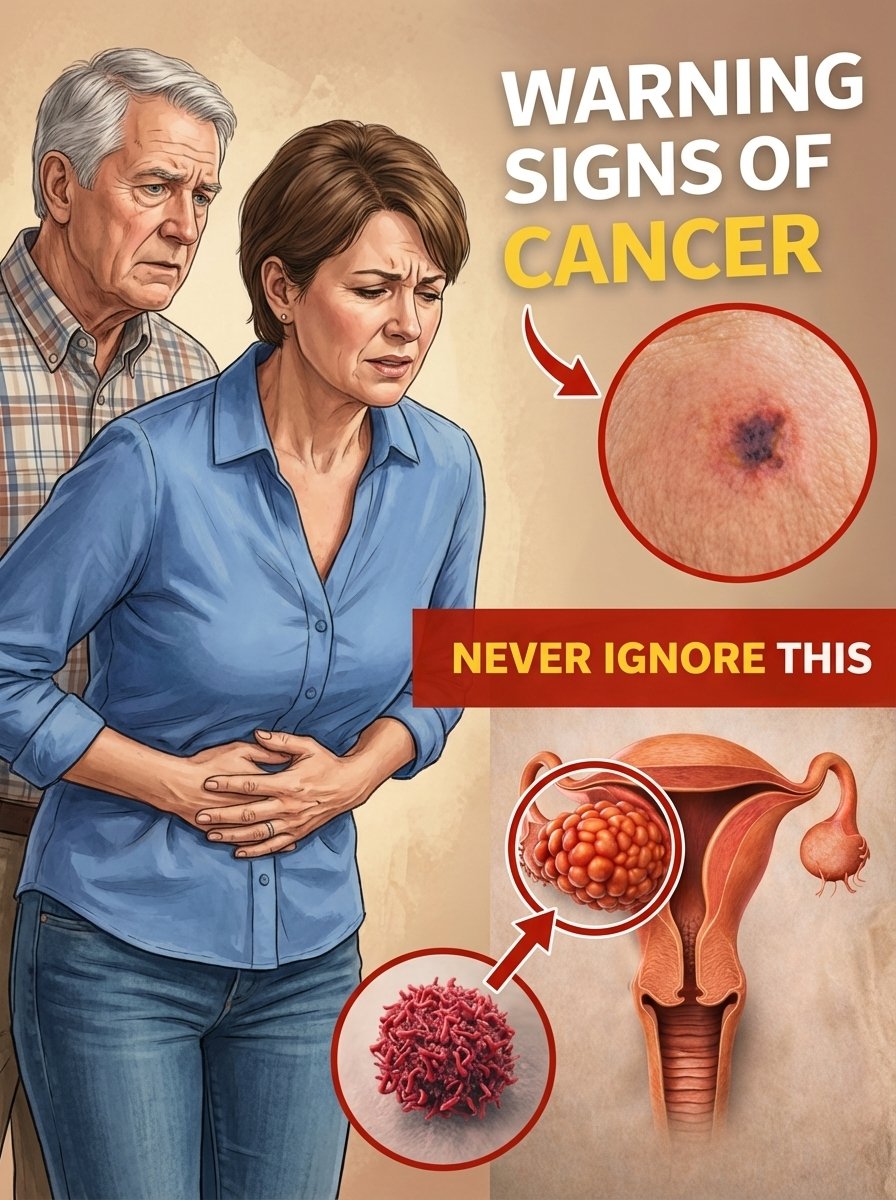
Advanced Symptoms of Cervical Cancer
Should the disease unfortunately advance, the symptoms you experience may escalate in severity and frequency, potentially encompassing issues such as:
- Persistent back or leg pain
- Difficulty urinating or bowel issues
- Fatigue and unexplained weight loss
- Swelling in the legs
The appearance of these more advanced signs strongly suggests that the cancer may have progressed or spread, necessitating immediate and urgent medical evaluation.
What Causes Cervical Cancer?
The single most significant cause of cervical cancer is a prolonged, persistent infection with high-risk strains of the human papillomavirus (HPV). However, several other factors can increase your risk, including:
- Smoking
- Weak immune system
- Early sexual activity
- Multiple sexual partners
- Lack of regular screening
How to Prevent Cervical Cancer
1. Get Regular Screenings
Regular Pap smears and HPV tests are incredibly powerful tools, capable of identifying abnormal cervical cells long before they have the chance to develop into cancerous growths.
2. HPV Vaccination
Fortunately, highly effective vaccines are available that offer robust protection against the most prevalent and dangerous high-risk HPV strains.
3. Practice Safe Sex
Consistently using barrier protection, such as condoms, significantly lowers your risk of HPV transmission and other sexually transmitted infections.
4. Maintain a Healthy Lifestyle
Adopting and maintaining a healthy lifestyle, including a balanced diet and regular exercise, strengthens your immune system, making your body more resilient in fighting off infections, including HPV.
When Should You See a Doctor?
It is absolutely critical to seek prompt medical attention and consultation with a healthcare professional if you begin to experience any of the following symptoms:
- Persistent unusual bleeding
- Ongoing pelvic pain
- Abnormal discharge
Remember, early diagnosis is your most powerful ally, dramatically improving the range of treatment options and significantly enhancing overall outcomes.
Final Thoughts
While cervical cancer can often progress silently in its initial stages, your body possesses an incredible ability to communicate through subtle warning signs. Being acutely aware of these potential symptoms and diligently adhering to your regular screening schedule are not just recommendations; they are vital actions that could genuinely save your life.
Never, under any circumstances, disregard the crucial messages your body is attempting to convey to you.