 By admin
 7 Potential Ways Your Body Reacts to a Period of Sexual Abstinence
Many individuals experience phases of sexual abstinence, whether by choice, due to life circumstances, or relationship shifts. During these times, you might observe subtle alterations in your physical or emotional state, often prompting questions about their origin. These changes can sometimes feel perplexing or frustrating, particularly when daily stressors or low energy seem harder to overcome. Gaining an understanding of these potential effects, supported by scientific insights, can empower you to better interpret your body’s signals and make informed choices for your well-being. Continue reading to discover seven common changes that studies link to prolonged periods without sexual activity.
Why Physical Intimacy Matters for Your Body
Consensual and enjoyable sexual activity triggers the release of crucial neurochemicals such as oxytocin, endorphins, and dopamine. These hormones play a significant role in promoting relaxation, stabilizing mood, and even bolstering immune function. Without regular engagement, some individuals may miss these natural physiological boosts, though personal experiences can vary widely. Research from reputable sources like WebMD and Healthline indicates that while abstinence itself isn’t inherently detrimental, the absence of these specific benefits can lead to noticeable differences over time. Let’s delve into the most frequently reported changes.
The 7 Potential Changes During Periods of Abstinence
1. Elevated Stress and Anxiety Levels
Sexual activity naturally helps to reduce cortisol, the body’s primary stress hormone, by stimulating the release of mood-enhancing endorphins and oxytocin. In the absence of this natural outlet, some people find that everyday stressors feel more pronounced and challenging to manage. Studies suggest that consistent sexual engagement can act as a protective barrier against anxiety. During a period of abstinence, you might notice an increase in general tension or irritability.
2. Noticeable Shifts in Mood
The surge of endorphins and dopamine experienced during sexual activity often contributes to a more positive outlook and improved emotional state. Extended periods without intimacy might leave some individuals feeling a bit more subdued, less vibrant, or with reduced motivation. While not everyone experiences this, research has connected frequent sexual activity to lower incidences of depressive symptoms in various populations.
3. Alterations in Sleep Quality
Orgasm triggers the release of prolactin and oxytocin, hormones known for inducing deep relaxation and promoting drowsiness. Without these natural sleep aids, some individuals may find it harder to fall asleep or maintain a restful night’s sleep. Many report superior rest after sexual activity, suggesting that longer dry spells could coincide with more restless nights or difficulty achieving restorative sleep.
4. Possible Impact on Immune System Function
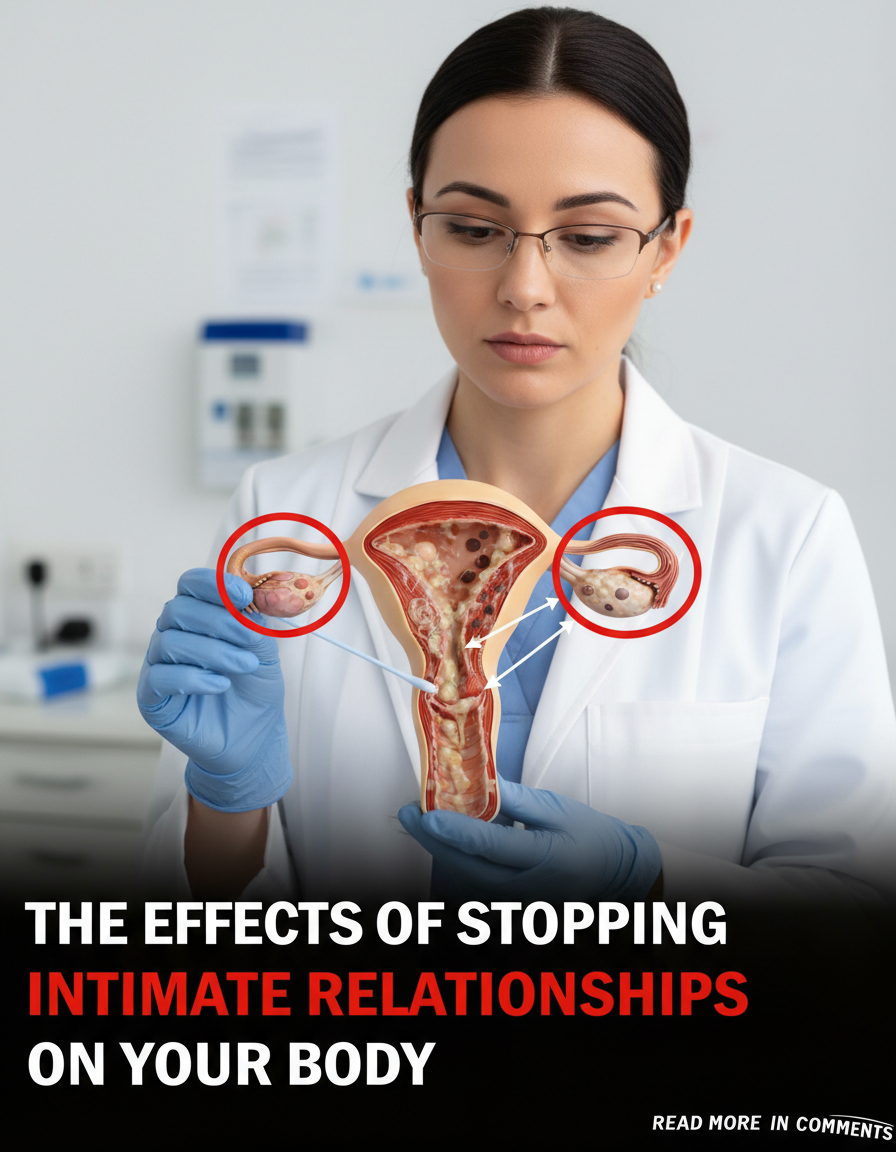
Certain studies have indicated a correlation between moderate sexual activity (defined as once or twice per week) and higher levels of immunoglobulin A (IgA), an antibody vital for immune defense. During abstinence, you might miss out on this subtle immune boost, though it’s important to remember that overall immunity is far more significantly influenced by factors such as diet, exercise, and adequate sleep.
5. Reduced Libido Over Time
Similar to many physiological functions, sexual desire can sometimes follow a “use it or lose it” principle for certain individuals. Less frequent activity may lead to a gradual decrease in interest, potentially making it more challenging to rekindle desire later on. According to sexual health experts, hormonal fluctuations and a reduction in the frequency of arousal play a role in this observed phenomenon.
6. Vaginal Changes (Especially Post-Menopause)
For women, regular sexual activity plays a role in maintaining the elasticity and natural lubrication of vaginal tissues. Prolonged abstinence, particularly after menopause, can contribute to thinner vaginal tissues or increased dryness. This is a recognized concern in menopause research, although the extent of its impact varies from person to person.
7. Considerations for Men’s Prostate Health
Some extensive research studies suggest that frequent ejaculation (e.g., 21 or more times per month) is linked to a reduced risk of prostate cancer later in life. While abstinence itself does not directly cause prostate issues, less frequent activity might mean foregoing this potential protective factor. It’s an area of ongoing research and discussion in men’s health.
Quick Reference Table: Potential Changes at a Glance
| Change | Possible Connection to Abstinence | What Research Suggests |
|---|---|---|
| Higher stress | Less cortisol reduction | Endorphins and oxytocin provide natural relief |
| Mood shifts | Fewer feel-good hormones | Linked to lower depressive symptoms with activity |
| Sleep difficulties | Reduced relaxation hormones | Prolactin and oxytocin aid drowsiness |
| Immune function | Lower antibody levels in some studies | Moderate activity correlates with higher IgA |
| Lower libido | Reduced arousal frequency | Desire can diminish without regular stimulation |
| Vaginal dryness/thinning | Less tissue stimulation (women) | More common post-menopause |
| Prostate considerations | Less frequent ejaculation (men) | Potential link to higher cancer risk in studies |
Simple Ways to Support Your Well-Being During Abstinence
Periods without sexual intimacy are entirely normal and can be a healthy choice for many individuals. If you find yourself noticing any of the aforementioned changes, incorporating these strategies can help support your overall well-being:
- Prioritize effective stress management through practices like regular exercise, meditation, mindfulness, or engaging in fulfilling hobbies.
- Focus on achieving consistent, high-quality sleep by maintaining a regular sleep schedule and creating a conducive sleep environment.
- Ensure a balanced and nutritious diet, rich in whole foods, to support overall physical and mental health.
- Engage in regular physical activity, which is known to boost mood, reduce stress, and improve sleep.
- Cultivate strong social connections with friends and family to foster emotional support and reduce feelings of isolation.
- If you experience persistent or concerning changes, consider consulting a healthcare professional or a therapist for personalized advice and support.
”
}
“`