 By admin
 Cancer remains a significant global health concern, touching countless lives and prompting widespread anxiety about genetic predispositions or lifestyle factors. It’s natural to wonder what measures you can take to exert some control over your well-being. The encouraging news is that daily choices, particularly those concerning your diet, play a crucial role in maintaining overall health. Extensive research from reputable health organizations consistently demonstrates that certain plant-based foods, abundant in beneficial compounds, are associated with a reduced risk of various cancers when integrated into a balanced dietary pattern.
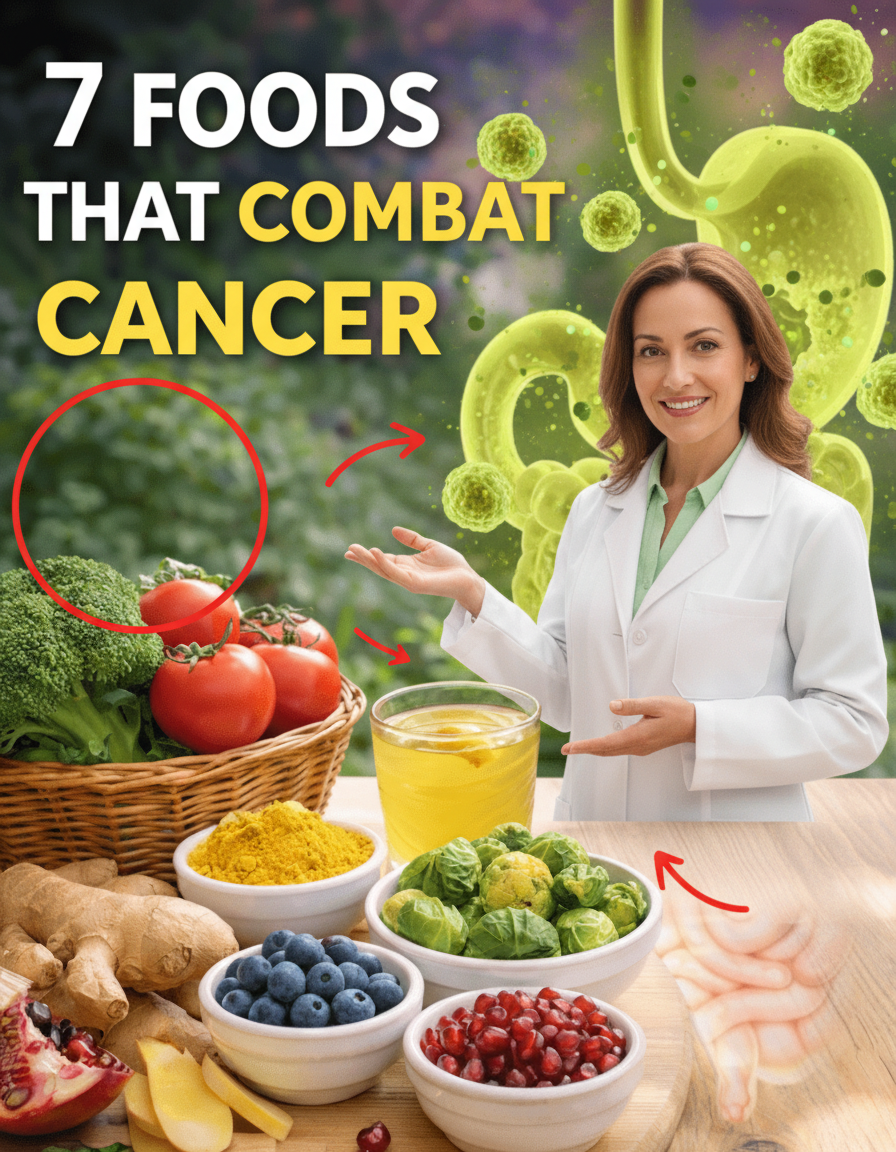
What’s particularly compelling is how some everyday foods distinguish themselves through their unique protective elements, rigorously supported by scientific studies. In this article, we’ll delve into seven such foods that research highlights for their profound potential benefits. Discover why these nutritional powerhouses deserve a more prominent place in your daily routine, and stay with us until the end for practical, straightforward tips on how to start incorporating them today.
The Vital Role of Plant-Based Foods in Cancer Prevention
A growing body of scientific evidence underscores the importance of diets rich in fruits, vegetables, whole grains, and legumes in supporting a reduction in cancer risk. Leading health authorities, such as the American Institute for Cancer Research (AICR) and the National Cancer Institute, consistently emphasize that while no single food can prevent or cure cancer, consistent healthy eating patterns are profoundly impactful. The compounds found abundantly in these foods—including potent antioxidants, essential fiber, and diverse phytochemicals—work synergistically. They help combat chronic inflammation, bolster cellular health, and may actively interfere with the complex processes that contribute to cancer development.
Numerous studies reveal a strong correlation between higher consumption of these nutrient-dense foods and lower risks for specific cancers, including colorectal, breast, prostate, and others. Now, let’s get specific and explore seven foods that frequently appear in research for their exceptional protective properties.
1. Cruciferous Vegetables (Broccoli, Brussels Sprouts, Cauliflower, and More)
Cruciferous vegetables consistently rank high on lists of cancer-protective foods, and for good reason. They are packed with glucosinolates, which, upon chewing or digestion, convert into powerful active compounds like sulforaphane and indoles. Research from institutions such as the National Cancer Institute suggests these substances may shield cells from damage, enhance the body’s natural detoxification pathways, and have shown promise in both laboratory and population studies for mitigating the risks of cancers such as colorectal, lung, and breast cancer.
Pro Tip: Aim for 2–3 servings weekly. Gentle cooking methods like steaming or light roasting help preserve their vital nutrients, as overcooking can diminish their beneficial effects.
2. Berries (Blueberries, Strawberries, Raspberries, Blackberries)
Berries are bursting with a rich array of antioxidants, notably anthocyanins and ellagic acid, which are responsible for their vibrant hues. Laboratory investigations indicate that these compounds effectively neutralize harmful free radicals and may contribute to reducing systemic inflammation. Population-based research has linked regular berry consumption to a potential decrease in the risk of cancers affecting the digestive tract. The American Institute for Cancer Research specifically notes that blueberries can significantly boost antioxidant activity within the bloodstream.
- High in fiber, promoting excellent gut health
- Naturally low in calories, making them easy to incorporate into meals
- Highly versatile, whether fresh, frozen, or blended into smoothies
3. Tomatoes (Especially Cooked or Processed Forms)
Tomatoes are an excellent source of lycopene, a potent carotenoid antioxidant. This beneficial compound is actually absorbed more efficiently by the body when tomatoes are cooked or consumed with healthy fats. Studies consistently associate a higher intake of lycopene with a potential reduction in the risk of prostate cancer, among others. The AICR recognizes tomatoes as a key component of protective plant-food dietary patterns. Incorporate them into sauces, soups, or roasted dishes—the application of heat surprisingly enhances lycopene’s bioavailability.
4. Garlic and Other Allium Vegetables (Onions, Leeks, Shallots)
Garlic is renowned for containing allicin and other organosulfur compounds, which are formed when it’s crushed or chopped. Research connects frequent garlic consumption to lower risks of colorectal and stomach cancers, potentially by supporting DNA repair mechanisms and reducing inflammatory responses. To maximize their benefits, add fresh garlic to stir-fries, homemade dressings, or roasts. While cooking mellows its pungent flavor, it doesn’t significantly diminish its health-promoting properties.
5. Leafy Greens (Spinach, Kale, Swiss Chard)
These verdant greens are nutritional powerhouses, delivering a wealth of folate, carotenoids, and dietary fiber. Scientific evidence ties a higher intake of leafy greens to enhanced cellular protection and a reduced risk for several types of cancer. Their impressive nutrient density makes them indispensable additions to any health-conscious diet. Enjoy them lightly sautéed or raw in salads; varying your preparation keeps meals exciting and ensures a broad spectrum of nutrient intake.
6. Nuts (Especially Walnuts)
Nuts offer a valuable combination of healthy fats, fiber, and unique bioactive compounds, such as the ellagitannins found prominently in walnuts. Comprehensive analyses suggest that individuals who regularly consume nuts may experience lower overall cancer risks, with walnuts particularly standing out for their notable anti-inflammatory effects. A small daily handful (approximately 1 ounce) can be effortlessly integrated into your diet—try sprinkling them over yogurt, oatmeal, or salads.
7. Whole Grains (Oats, Brown Rice, Quinoa)
Whole grains are fundamental to a cancer-protective diet due to their high fiber content, which supports digestive health and aids in the removal of carcinogens. Beyond fiber, they provide a spectrum of antioxidants, vitamins, and minerals. Regular consumption of whole grains like oats, brown rice, and quinoa is linked to a reduced risk of colorectal cancer and other digestive tract cancers. They help regulate blood sugar, promote satiety, and contribute to a healthy gut microbiome. Make them a staple in your meals, opting for whole grain breads, pastas, and cereals, and incorporating grains like quinoa or farro into side dishes and salads.
Empower Your Health Through Diet
Embracing a diet rich in these seven plant-based foods is a proactive and delicious way to support your body’s natural defenses against cancer risk. Remember, the journey to wellness is about consistent, informed choices rather than single solutions. By integrating these nutrient-dense ingredients into your daily meals, you’re not just eating well—you’re actively investing in a healthier, more resilient future.