 By admin
 As we step into our 40s and beyond, the body often communicates subtle changes that can easily be dismissed as typical signs of aging. Perhaps it’s a sudden appearance of dry, unyielding skin, a surprising number of gray hairs showing up prematurely, or an energy slump that hits earlier in the day. While these shifts might seem like normal parts of maturing, they can frequently indicate underlying nutritional imbalances that become more prevalent with age due to factors like slower digestion, reduced nutrient absorption, and fluctuating hormone levels. Extensive research highlights that many adults experience deficits in essential micronutrients, even without immediate, glaring symptoms. However, proactively addressing these gaps can significantly boost overall vitality and comfort.
The encouraging news is that your body often provides these vital clues through noticeable physical changes long before more serious health issues emerge. Recognizing these signals early empowers you to make simple yet impactful adjustments to your lifestyle and diet. There’s one particular sign that often goes unnoticed until it becomes a source of daily annoyance – continue reading to discover if it resonates with your experience.
Why These Signals Become More Apparent After 40
With advancing age, the body’s efficiency in processing and utilizing nutrients tends to decrease. Gastric acid production may decline, intestinal absorption can slow down, and cellular repair processes take longer. Consequently, even individuals maintaining a balanced diet might develop minor nutritional gaps over time. Studies consistently show that adults over 40 frequently fall short on key vitamins and minerals. This can be exacerbated by various lifestyle elements such as chronic stress, certain medications, or reduced outdoor exposure. These initial indicators commonly manifest in areas like the skin, hair, nails, and mouth – regions that readily reflect internal equilibrium. Paying close attention to these patterns can help you intervene before they accumulate and begin to significantly impact your daily life.
Sign #6: Persistent Cracks at the Corners of the Mouth
Imagine smiling or enjoying a tart meal, only to feel a sharp, stinging sensation at the edges of your lips. Small fissures or areas of redness appear, and while lip balm might offer temporary relief, the problem stubbornly returns. Often known as angular cheilitis, this condition is frequently attributed to dry weather or chapped lips. However, scientific investigations link recurring cases to deficiencies in critical nutrients such as iron, zinc, or B vitamins (especially riboflavin). These specific nutrients are vital for supporting skin healing and maintaining immune function in delicate areas. When their levels are insufficient, the body’s repair mechanisms slow down, leading to persistent discomfort. Many individuals find lasting relief by prioritizing nutrient-dense foods rather than relying solely on endless topical applications. If this sign seems relatively minor, the next one often feels much more personal.
Sign #5: Unexpected Hair Graying
You might notice a few silver strands appearing earlier than you expected, perhaps even before your family history suggests. Initially, it might seem insignificant, but then more begin to follow. While genetics undeniably play a dominant role, research continues to explore how trace minerals influence the production of pigment. Copper, for instance, is a crucial component of enzymes that help maintain melanin, the natural compound responsible for hair color. Some studies have indicated a correlation between lower copper levels and earlier changes in hair pigment. While not the sole determinant, it represents one vital piece of the intricate puzzle of overall cellular health. Shifts in hair appearance can often mirror broader patterns of nutrient status. And speaking of patterns, the subsequent sign frequently poses a more noticeable disruption to daily life.
Sign #4: Unexplained Sweating on Palms or Scalp
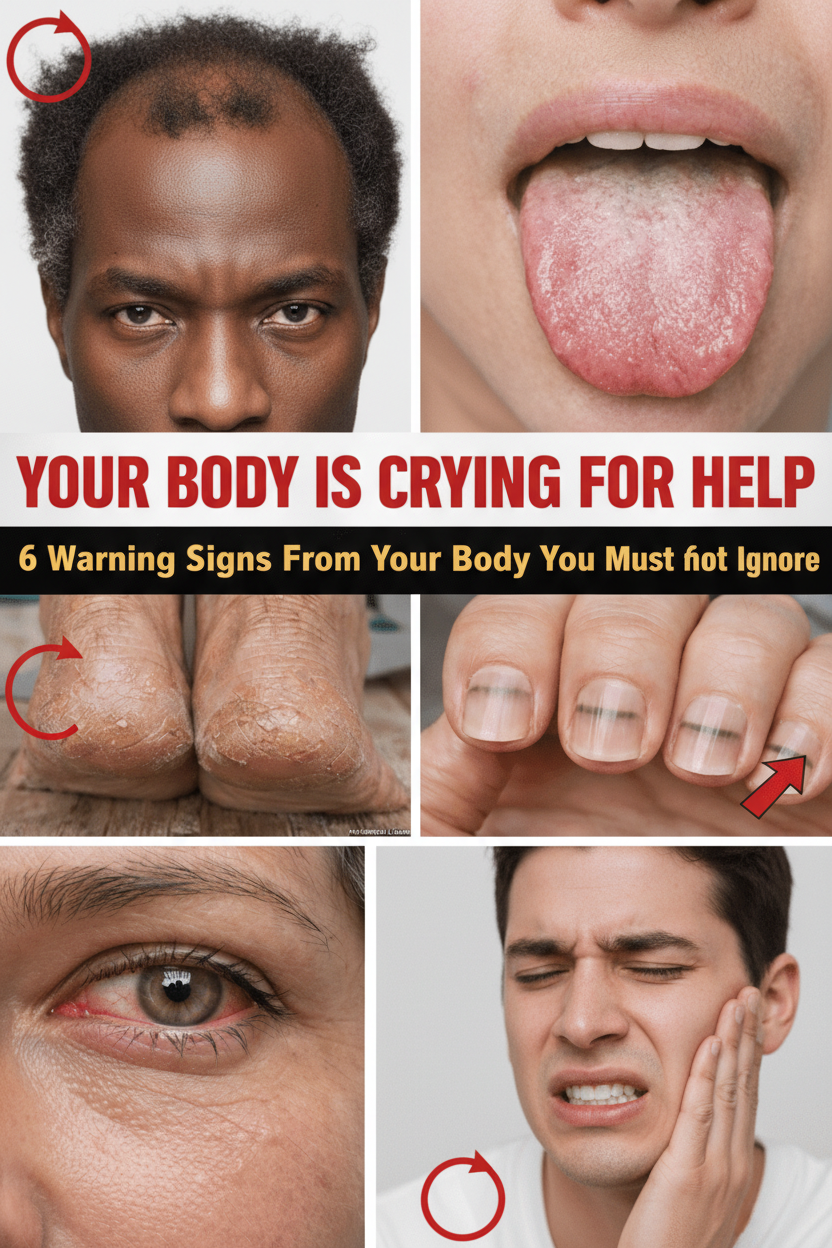
Have you ever found your palms becoming clammy in cool environments, or your scalp feeling damp without any exertion or exposure to heat? Such moments can be perplexing and even embarrassing. Emerging evidence suggests a connection between unusual sweating patterns and vitamin D levels, a nutrient essential for optimal nerve function and the regulation of body temperature. Low vitamin D levels are remarkably common, particularly with the reduced sun exposure often experienced by individuals over 40. Enhancing vitamin D status through safe, moderate sun exposure and dietary sources can frequently help restore balance. You’re halfway through our list – stay with me, because the following signs are often among the most frustrating for many.
Mid-Article Check-In
So far, we’ve covered persistent mouth cracks, premature graying, and unexpected sweating. Which of these resonate most with you? It’s important to recognize how these seemingly unrelated changes might collectively paint a larger picture – your body often communicates through a cluster of signals. Take a moment to reflect. The next sign often sends many individuals directly to the skincare aisle, often with limited long-term success.
Sign #3: Stubborn Dry, Flaky Skin
You might diligently try various new lotions, switch to gentler soaps, or even use hypoallergenic detergents, yet your arms and legs remain tight, flaky, and rough to the touch. When topical treatments fail to provide lasting relief, it’s a strong indicator that internal support might be lacking. Studies consistently link ongoing skin dryness and scaliness to challenges with vitamin A metabolism or issues with fat absorption, as vitamin A is crucial for maintaining the skin’s protective barrier and its moisture content. After 40, incorporating a diverse range of colorful vegetables alongside healthy fats can significantly aid skin renewal and hydration. Digestive health also plays a critical role here. However, your nails often tell an entirely different story.
Sign #2: Distinct Vertical Ridges on the Nails
Take a closer look at your fingernails – do you observe distinct vertical lines running from the base to the tip? Many people automatically attribute this to aging alone. While age can be a contributing factor, research increasingly connects more pronounced ridges to deficiencies in nutrients vital for keratin production and oxygen delivery, such as iron, vitamin B12, or biotin. When levels of these essential nutrients dip, nail growth can become compromised, manifesting as noticeable ridges or increased brittleness.