 By admin
 Introduction: The Imperative of Early Breast Cancer Detection
Breast cancer remains a prevalent health concern for women globally. The cornerstone of effective treatment and improved survival rates lies in early detection. While many are familiar with common indicators, it’s crucial to recognize the more subtle early warning signs that often go overlooked. Identifying these signs promptly can dramatically influence treatment efficacy and overall prognosis. This comprehensive guide will delve into four critical early warning signs of breast cancer that every woman should be aware of. Empowering yourself with this knowledge fosters proactive health management, paving the way for timely intervention and significantly better health outcomes.
1. Unexplained Alterations in Breast Shape or Size
One of the initial subtle indicators of potential breast cancer can manifest as an inexplicable change in the size or contour of one or both breasts. This might involve a sudden enlargement or reduction in breast volume, or simply one breast appearing distinctly different from the other in overall form.
Why This Matters for Breast Health:
Malignant tumors can induce swelling or shrinkage in the surrounding breast tissue, leading to noticeable changes in the breast’s natural shape. These alterations can develop either abruptly or progressively, ranging from barely perceptible to quite obvious.
Key Indicators to Observe:
- A distinct change in the overall size or shape of a breast.
- One breast positioned noticeably higher or lower than the other.
- Breast skin that appears unusually stretched, tightened, or dimpled/puckered.
Recommended Action Steps:
Regularly perform self-checks to monitor your breasts for any unusual changes, paying close attention to symmetry. Should you observe any persistent or concerning alterations in the shape or size of your breasts, it is crucial to consult a healthcare provider promptly for a thorough evaluation.
2. New Lumps or Thickened Areas in the Breast or Underarm
Discovering a new lump or a distinct area of thickening within your breast tissue or underarm is among the most recognized potential symptoms of breast cancer. While the majority of breast lumps are benign, it is absolutely essential to have any new finding examined by a medical professional to exclude serious underlying conditions.
Understanding the Significance:
A palpable lump can serve as a critical early indicator of breast cancer, particularly if it feels firm, unmoving, and is often painless. Furthermore, the presence of lumps in the underarm region might signal that cancer cells have potentially spread to adjacent lymph nodes, underscoring the urgency of medical assessment.
What to Actively Monitor:
- A firm or hard lump within the breast that feels distinctly different from the surrounding glandular tissue.
- Any new or unusual lump detected in the underarm (axilla) or clavicle (collarbone) area.
- An area of thickened breast tissue that persists and does not resolve over time.
Immediate Steps to Take:
Make breast self-awareness a routine practice, regularly checking for any new lumps or areas of thickening. If you detect a lump, especially one that is hard, fixed, and non-tender, seek prompt medical attention from your doctor for a comprehensive diagnostic evaluation.
3. Noticeable Changes in Breast Skin Appearance
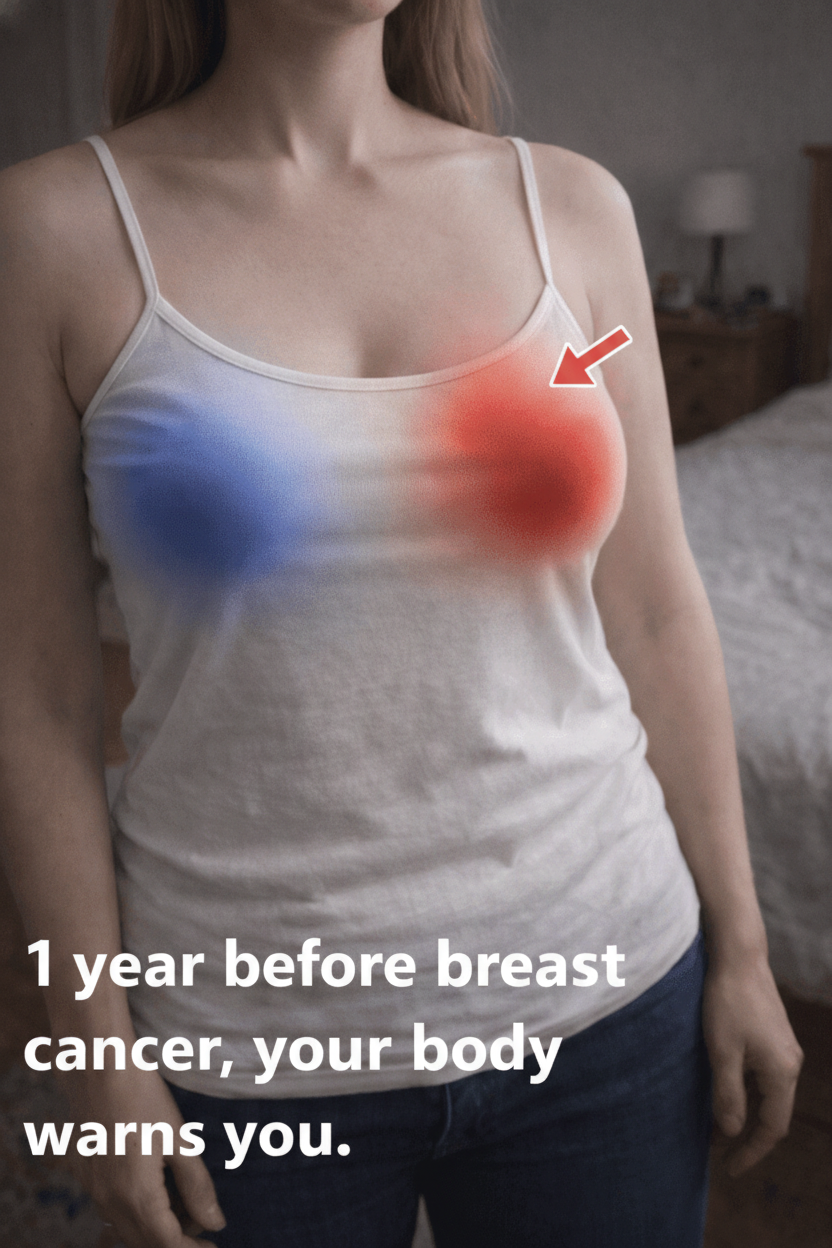
Alterations in the skin covering your breast can serve as a crucial indicator of potential breast cancer. Such changes may encompass persistent redness, unusual dimpling, or a distinctive skin texture often likened to the surface of an orange peel.
The Critical Link to Inflammatory Breast Cancer:
These specific skin manifestations are frequently associated with Inflammatory Breast Cancer (IBC), a less common but highly aggressive subtype of breast cancer. IBC directly impacts the skin and lymph nodes within the breast, causing these visible changes. They typically arise when cancer cells obstruct the lymphatic vessels in the breast’s dermal layer, resulting in swelling, erythema (redness), and pronounced textural shifts.
Specific Skin Symptoms to Watch For:
- Persistent redness, a rash-like appearance, or unexplained swelling on the breast skin.
- Skin that develops a dimpled, pitted, or thickened appearance, famously known as peau d’orange.
- Unusual warmth or tenderness felt across the breast region.
What Immediate Action to Take:
Should you observe any concerning changes in the texture, color, or overall appearance of your breast skin, it is imperative to contact a healthcare provider without delay. Promptly seek medical evaluation if you experience persistent redness, swelling, or warmth in your breast area, as these could be signs requiring urgent attention.
4. Persistent or Unexplained Breast Pain or Tenderness
Breast pain, or mastalgia, is a frequently reported symptom that can stem from numerous benign causes, including hormonal fluctuations, infections, or even minor injuries. Nevertheless, unexplained or persistent pain and tenderness that does not subside or evolves over time could potentially signal an early warning sign of breast cancer.
Why Persistent Pain Warrants Attention:
While the vast majority of breast pain is not indicative of malignancy, chronic or atypical discomfort may be a symptom of developing cancer, particularly if it’s unrelated to your menstrual cycle. In certain scenarios, breast cancer can manifest as referred pain, where the sensation of discomfort is perceived in other regions such as the back, arm, or neck, rather than directly in the breast itself.
Specific Pain Characteristics to Monitor:
- Ongoing pain or tenderness localized to a specific area of the breast or nipple that does not resolve naturally.
- Pain that intensifies gradually or exhibits noticeable changes in its severity or character over time.
- Discomfort that appears disconnected from your regular menstrual cycle.
Recommended Response:
Maintain a vigilant record of any breast pain or tenderness you experience, noting its duration, intensity, and any associated factors. If the pain feels abnormal, is unremitting, or lacks an obvious benign explanation, it is imperative to seek professional medical advice without delay.
Conclusion: Empowering Yourself Through Awareness and Action
Understanding these four critical early warning signs of breast cancer is a powerful step toward safeguarding your breast health. While experiencing any of these symptoms doesn’t automatically mean you have cancer, they warrant immediate attention from a healthcare professional. Regular self-examinations, awareness of your body, and timely medical consultations are invaluable tools in the fight against breast cancer. Remember, early detection significantly improves treatment outcomes and survival rates. Don’t hesitate to prioritize your health and seek expert advice if anything feels unusual or concerning. Your proactive approach could make all the difference.