 By admin
 As we navigate life past 50, many of us encounter those quiet, often unspoken moments: a slight struggle to rise from a chair, or a sudden ache after a simple task like tying shoelaces. We often chalk it up to “normal aging.” Yet, beneath this seemingly natural progression, certain everyday habits may be silently eroding your bone strength and mobility. The good news? Recognizing these hidden pitfalls is the first step towards making small, impactful adjustments that can transform your health. And the final mistake on this list might just surprise you the most.
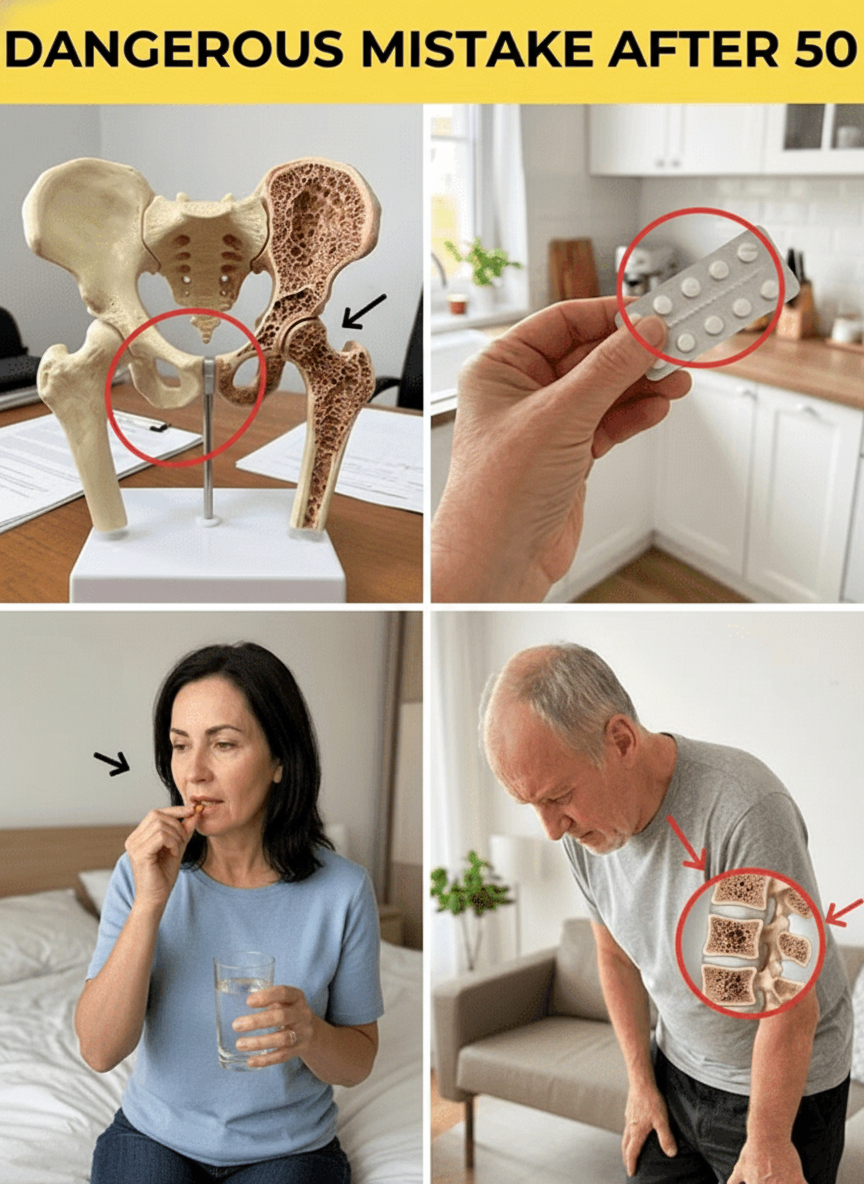
Mistake 1: Ignoring Early Bone Health Warning Signs
Our bones naturally begin to lose density as we age, a process that often accelerates after 50. What many overlook are the subtle early warnings, dismissing them as minor inconveniences. These include:
- Mild, recurring back discomfort after basic movements.
- A gradual loss of height over time.
- Developing a stooped posture or rounded shoulders.
- Frequent muscle fatigue, even without strenuous activity.
The truth is, bone resilience isn’t just about genetics; it’s profoundly shaped by your daily lifestyle. Research in aging and bone metabolism highlights how crucial factors like nutrition, physical activity, and even sun exposure are for maintaining robust bone structure. The critical error? Many wait until a fracture occurs to address bone health, by which point years of silent damage have already accumulated.
Simple Habits to Bolster Bone Strength:
- Embrace the Outdoors: Regular sun exposure helps your body produce vital Vitamin D.
- Prioritize Calcium-Rich Foods: Incorporate leafy greens, dairy products, or fortified alternatives into your diet.
- Engage in Gentle Weight-Bearing Activities: Walking, jogging, or light resistance training are excellent choices.
- Maintain a Balanced Diet: Ensure adequate protein and a spectrum of micronutrients.
Remember, consistency in these habits yields far greater results than sporadic intensity.
Mistake 2: Taking Supplements Without Understanding Them
Walk into any pharmacy, and you’ll see a vast array of supplements targeting bone health, joint support, and general wellness for those over 50. It’s easy to fall into the trap of taking them simply because they were recommended or heavily advertised. However, the reality is more intricate. While some supplements offer benefits in specific circumstances, the “more is better” approach can be counterproductive:
- Nutrient Imbalance: Excessive intake of certain minerals can disrupt your body’s delicate balance.
- Medication Interactions: Some supplements can negatively interact with prescribed medications.
- Digestive Stress: High doses may cause discomfort or issues for sensitive individuals.
Nutrition experts often champion a fundamental principle for older adults: “Food first, supplements second.”
A Quick Comparison:
- Balanced Diet with Varied Nutrients: Supports overall body systems efficiently.
- Random Supplement Stacking: Can lead to nutrient imbalances and unforeseen side effects.
- Discussing Supplements with a Professional: Ensures a safer, more personalized, and effective approach.
Supplements aren’t inherently bad, but they demand thoughtful consideration. Crucially, your body absorbs nutrients most effectively when they come from whole foods, integrated into healthy daily routines.
Mistake 3: Becoming Less Physically Active Without Realizing It
One of the most insidious shifts after 50 is a gradual decline in physical activity. It often begins subtly: perhaps you stop taking those long walks, opt for elevators over stairs, and eventually, sitting becomes the default. Your body, however, responds swiftly and negatively to this inactivity. Muscles weaken, balance deteriorates, and joints stiffen.
Extensive studies on aging populations consistently underscore the profound benefits of regular movement for maintaining mobility, improving posture, and preserving independence. This doesn’t mean you need intense, high-impact workouts. In fact, gentle, consistent movement often proves most effective.
Practical Movement Habits for Adults Over 50:
- Daily Walks: Aim for 20-30 minutes most days.
- Morning Stretches: Incorporate light stretching to improve flexibility.
- Strength Training: Utilize body weight exercises or resistance bands.
- Balance Exercises: Practice standing on one foot to enhance stability.
Interestingly, individuals who maintain moderate activity levels frequently report feeling years younger than their chronological age, a testament to how profoundly mobility impacts energy, confidence, and overall independence.
A Simple Daily Routine for Healthy Aging
Many wonder about the easiest way to begin. Here’s a straightforward approach recommended by many healthcare professionals for adults over 50:
Morning:
- Drink a glass of water immediately after waking up.
- Dedicate 10 minutes to gentle stretching.
By recognizing and addressing these three common, often overlooked mistakes, you can proactively safeguard your bone health, optimize your nutrient intake, and maintain vital mobility, paving the way for a more vibrant and independent life after 50.