 By admin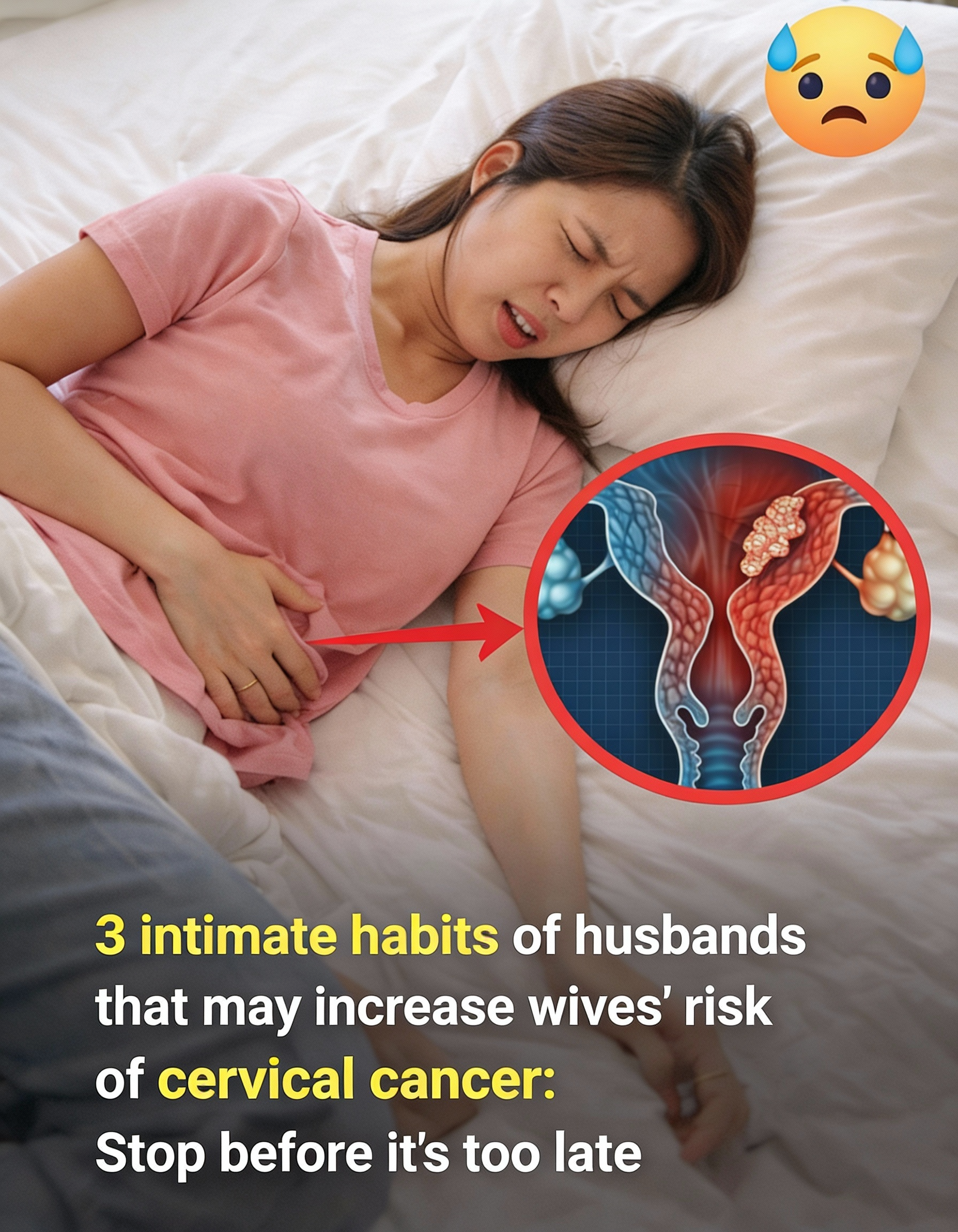
Cervical cancer remains one of the most preventable cancers, yet many women face unnecessary risks due to factors tied to intimate relationships. The primary cause is persistent infection with high-risk types of human papillomavirus (HPV), a common virus spread mainly through sexual contact. While most HPV infections clear on their own, when they linger, they can lead to changes in cervical cells over time.
What many don’t realize is that certain behaviors by male partners can increase a woman’s exposure to HPV, heightening her long-term risk. These aren’t always obvious, but research from organizations like the American Cancer Society and studies on sexual health show clear links. The good news? Awareness and simple changes can make a real difference in reducing that risk.
In this article, we’ll explore three key intimate habits of husbands that may contribute to elevated cervical cancer risk for their wives—and most importantly, what couples can do right now to protect their health together. Keep reading to discover practical steps that could safeguard your future.

Understanding the Main Culprit: HPV and Cervical Cancer
HPV is incredibly common—most sexually active people encounter it at some point. High-risk strains (like HPV-16 and HPV-18) are responsible for the vast majority of cervical cancer cases. The virus spreads through skin-to-skin contact during intimate activity, including vaginal, anal, or oral sex.
A woman’s risk rises when she’s exposed to these high-risk types repeatedly or when the infection persists. Factors like a partner’s sexual history play a big role here, as they can introduce or reintroduce the virus.
Studies, including those reviewed by the American Cancer Society, highlight that behaviors increasing HPV transmission directly influence cervical cancer odds.
3 Intimate Habits of Husbands That May Increase Risk
Here are three habits backed by scientific evidence that can unknowingly raise a wife’s cervical cancer risk through greater HPV exposure.
1. Having Multiple Sexual Partners (Past or Present)
One of the strongest risk factors is a partner’s history of multiple sexual partners. Research shows that men with more lifetime partners are more likely to carry and transmit high-risk HPV.
For example, studies have found that husbands with premarital or extramarital relationships significantly elevate their wife’s risk—even if she’s had only one partner. The more partners a man has had, the higher the chance of encountering and passing on high-risk HPV strains.
But that’s not all… This doesn’t just apply to the past. Ongoing multiple partners outside the marriage continue to introduce new exposures.

2. Inconsistent or No Condom Use During Intimacy
Condoms aren’t perfect against HPV (since the virus can affect areas not covered), but consistent use reduces transmission risk substantially. When husbands skip condoms regularly, it allows easier spread of the virus during skin-to-skin contact.
Evidence from longitudinal studies demonstrates that women whose partners use condoms consistently have lower rates of new HPV infections. Without this barrier, especially in longer-term relationships where habits feel “safe,” the cumulative exposure builds up.
The truth is, many couples in committed relationships stop using condoms after a while, assuming monogamy protects them—but if HPV was already present or gets reintroduced, it can persist.

3. Smoking and Its Impact on Intimate Health
Smoking isn’t just a personal habit—it affects both partners. Women who smoke (or whose partners smoke heavily) face about twice the risk of cervical cancer compared to non-smokers, according to the American Cancer Society.
Tobacco by-products damage cervical cells and weaken the immune system’s ability to clear HPV. If a husband smokes, secondhand exposure or shared lifestyle factors can compound this.
This habit often ties into intimacy indirectly, as smoking is linked to poorer overall sexual health and higher-risk behaviors.

Quick Comparison: Risk Factors vs. Protective Habits
To make it clearer, here’s a simple breakdown:
- Higher Risk Habits:
- Multiple lifetime or current sexual partners
- Skipping condoms regularly
- Smoking (personal or heavy secondhand exposure)
- Lower Risk Habits:
- Mutual monogamy in a long-term relationship
- Consistent condom use when appropriate
- Being smoke-free and supporting quitting
These small shifts can dramatically change the picture.
Actionable Tips: Steps Couples Can Take Today
The best part? You don’t need drastic changes—just informed, loving actions. Here’s a step-by-step guide to lower risk together:
- Talk openly about sexual health — Start a non-judgmental conversation about past exposures and current habits. Knowledge reduces fear and builds teamwork.
- Get vaccinated against HPV — The HPV vaccine is highly effective for preventing high-risk strains. It’s recommended for adults up to age 45 in many cases—both partners should discuss eligibility with a doctor.
- Use protection thoughtfully — Incorporate condoms during intimacy, especially if there’s any uncertainty about exposures. This reduces (though doesn’t eliminate) transmission.
- Commit to regular screenings — Women should follow guidelines for Pap tests and HPV co-testing (typically starting at age 21-25, every 3-5 years depending on age and results). Early detection catches changes before they become serious.
- Support quitting smoking — If either partner smokes, seek help together—resources like counseling or apps make it easier.
- Maintain overall health — A strong immune system helps clear HPV faster. Eat well, exercise, manage stress, and limit alcohol.
These steps empower couples to take control without blame.
Conclusion: Protect What Matters Most
Cervical cancer is largely preventable when couples address hidden risks like HPV exposure from certain intimate habits. By understanding how a partner’s behaviors influence risk and making mutual choices—like open communication, vaccination, protection, and healthy lifestyles—you can significantly lower the chances.
Don’t wait for symptoms—proactive steps today mean peace of mind tomorrow. Share this with your partner and prioritize your shared health.
FAQ
What is the main cause of cervical cancer?
Persistent infection with high-risk HPV types, spread primarily through sexual contact.
Can condom use completely prevent HPV?
No, but consistent and correct use lowers the risk of transmission and supports faster clearance of the virus.
Should both partners get the HPV vaccine?
Yes, if eligible—vaccination protects against the most dangerous strains and benefits mutual health.
Disclaimer: This article is for informational purposes only and not a substitute for professional medical advice. Always consult a qualified healthcare provider for personalized guidance on sexual health, screening, or vaccination. Early detection through regular check-ups remains key to prevention.