 By admin
 As we navigate life beyond 50, many of us encounter those quiet moments: a sudden ache after tying shoes, or a subtle struggle to rise from a chair. We often dismiss these as “just aging.” But what if these seemingly minor issues are whispers of deeper, often unnoticed, habits quietly undermining our bone strength and mobility?
The good news? Recognizing these common pitfalls is the first step towards reclaiming vitality. Small, consistent adjustments can make a profound difference, empowering you to move with greater ease and confidence. Let’s uncover these three hidden mistakes and discover simple ways to counteract them.
Mistake 1: Dismissing Early Bone Health Signals
Our bones naturally lose density with age, a process that typically begins in our 40s and becomes more apparent after 50. Yet, many overlook the initial subtle warnings, mistaking them for general aches and pains. Ignoring these early signs can allow silent damage to accumulate for years before a serious issue like a fracture occurs.
Common Early Warning Signs:
- Mild back discomfort after simple movements.
- Gradual loss of height.
- Developing a stooped posture or rounded shoulders.
- Frequent muscle fatigue without clear cause.
Research consistently shows that bone strength isn’t just about genetics; it’s heavily influenced by daily habits, including nutrition, physical activity, and sun exposure. Don’t wait for a crisis to prioritize your skeletal health.
Simple Daily Habits for Stronger Bones:
- Embrace the Outdoors: Regular, safe sun exposure helps your body produce vital Vitamin D.
- Boost Calcium Intake: Incorporate calcium-rich foods like leafy greens, dairy, or fortified alternatives.
- Engage in Gentle Weight-Bearing Activities: Walking, light jogging, or simple resistance training strengthens bones.
- Prioritize a Balanced Diet: Ensure adequate protein and micronutrients for overall bone metabolism.
Remember, consistency in these small actions is far more impactful than sporadic, intense efforts.
Mistake 2: Mindlessly Taking Supplements
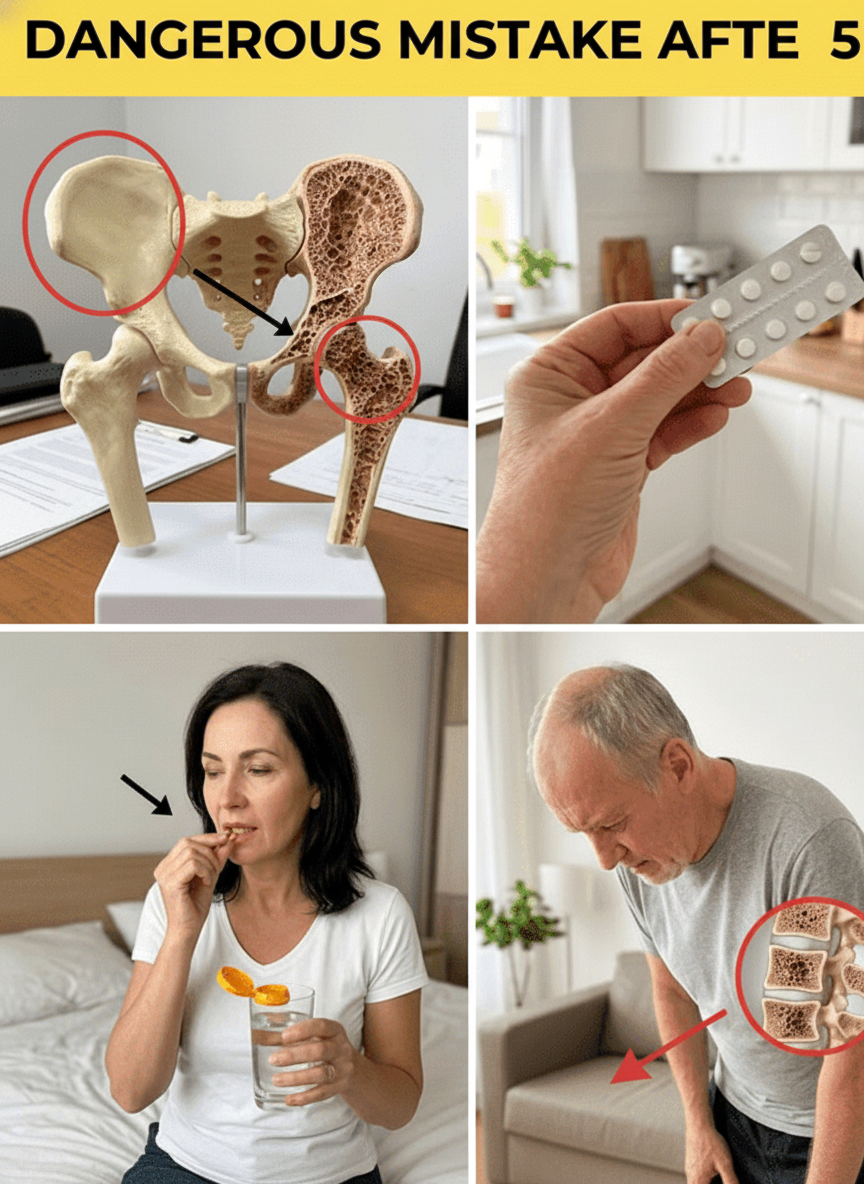
Walk into any pharmacy, and you’ll find shelves brimming with supplements promising bone support, joint health, and anti-aging benefits. It’s easy to fall into the trap of taking them simply because a friend recommended them or an ad caught your eye. However, this common mistake can be counterproductive.
While some supplements can be beneficial in specific scenarios, more isn’t always better. Excessive intake of certain minerals can disrupt your body’s delicate nutrient balance, and some supplements can dangerously interact with prescribed medications. Furthermore, high doses might even cause digestive distress.
Nutrition experts often champion the principle: “Food first, supplements second.” Your body generally absorbs nutrients most effectively from whole foods, which offer a complex synergy of vitamins, minerals, and fiber.
Smarter Supplement Habits:
- Prioritize Whole Foods: A diverse, balanced diet should be your primary source of nutrients.
- Consult a Professional: Always discuss supplements with your doctor or a registered dietitian, especially if you’re on medication.
- Understand Your Needs: Get tested for deficiencies before starting a supplement regimen.
Supplements are tools, not magic bullets. Use them thoughtfully and strategically.
Mistake 3: The Silent Slide into Inactivity
One of the most insidious changes after 50 is the gradual reduction in physical activity. It often starts subtly: you opt for the elevator instead of stairs, spend more time sitting, and eventually, movement becomes less of a priority. Your body, however, is quick to respond to this inactivity.
Muscles weaken, balance becomes less stable, and joints stiffen, making everyday tasks feel harder. Numerous studies confirm that consistent, even gentle, movement is crucial for maintaining mobility, posture, energy levels, and independence as we age. It’s not about intense workouts; it’s about staying active.
Practical Movement Habits for Over 50:
- Daily Walks: Aim for 20-30 minutes most days.
- Morning Stretches: A few minutes of gentle stretching can improve flexibility and reduce stiffness.
- Strength Building: Use your body weight or resistance bands for simple exercises like squats, lunges, or push-ups against a wall.
- Balance Exercises: Practice standing on one foot or walking heel-to-toe to enhance stability and prevent falls.
People who maintain moderate activity often report feeling years younger, not just physically, but also in their overall energy and confidence. Your body is designed to move; keep it active!
Reclaim Your Vitality
These three common mistakes often go unnoticed, quietly eroding our health and independence. But by understanding them, you’re empowered to make simple, impactful changes. Prioritizing bone health, being mindful of supplement use, and committing to consistent movement are not just about adding years to your life, but adding life to your years.
Start today with one small adjustment. Your future self will thank you.