 By admin
 Do you find yourself constantly parched, despite drinking plenty of fluids? Are nightly bathroom trips disrupting your sleep, or does a persistent tiredness linger even after a good rest? Many adults dismiss these common frustrations, attributing them to stress, a hectic lifestyle, or simply the natural process of aging. However, these seemingly minor annoyances can actually be quiet, subtle indicators of escalating blood sugar levels, a condition silently impacting millions. Understanding and recognizing these potential diabetes symptoms early is crucial, paving the way for prompt discussions with your doctor and proactive health management.
🩺 Why Diabetes Often Develops Without Notice
Type 2 diabetes frequently progresses subtly, often without obvious warning signs in its initial stages. This gradual onset means that elevated blood sugar levels can trigger minor physiological shifts that are easily misattributed or overlooked. Leading health organizations, including the American Diabetes Association and the Mayo Clinic, highlight that a significant number of adults, particularly those aged 40 and above, live with undiagnosed diabetes. A primary culprit behind this is insulin resistance, where the body’s cells don’t respond effectively to insulin. Consequently, early diabetes symptoms can be ambiguous, sometimes mimicking symptoms of stress, fatigue, or other benign conditions. If left unaddressed, consistently high blood sugar can lead to severe health complications. However, heightened awareness and proactive screening can significantly alter this trajectory. Let’s delve into the most common indicators…
⚠️ 20 Potential Diabetes Signs Adults Should Watch For
These indicators are compiled from reputable health organizations. It’s important to remember that not everyone will experience every symptom, and the severity can vary. Recognizing even a few persistent signs warrants attention:
- Excessive Thirst (Polydipsia): Elevated blood sugar draws fluid from your body’s tissues, leading to persistent dehydration and an unquenchable thirst, no matter how much you drink.
- Frequent Urination (Polyuria): Your kidneys work overtime to filter and remove excess glucose from your blood, resulting in more frequent trips to the bathroom, especially throughout the night.
- Unexplained Fatigue: When your cells struggle to absorb glucose for energy, your body lacks its primary fuel source, leading to constant exhaustion that isn’t relieved by rest.
- Unexpected Weight Loss: If your body can’t utilize glucose effectively, it starts burning fat and muscle for energy, leading to unintentional and often rapid weight loss.
- Blurred Vision: Fluctuations in blood sugar levels can affect the fluid balance in your eye lenses, causing temporary and sometimes fluctuating visual impairment.
- Slow-Healing Sores or Bruises: High blood sugar can impair circulation and immune function, significantly delaying the healing process of cuts, scrapes, and bruises.
- Tingling or Numbness (Neuropathy): Prolonged high blood sugar can begin to damage nerves, particularly in the hands and feet, manifesting as tingling, numbness, or a “pins and needles” sensation.
- Recurrent Infections: High glucose environments provide fertile ground for bacteria and yeast, making individuals more susceptible to frequent infections, including skin, urinary tract, and yeast infections.
- Dark Skin Patches (Acanthosis Nigricans): The appearance of velvety, dark patches of skin, often in the armpits, groin, or around the neck, is a common sign of insulin resistance.
- Increased Hunger (Polyphagia): Despite eating regularly, your cells may not be receiving adequate energy, leading to a persistent feeling of hunger.
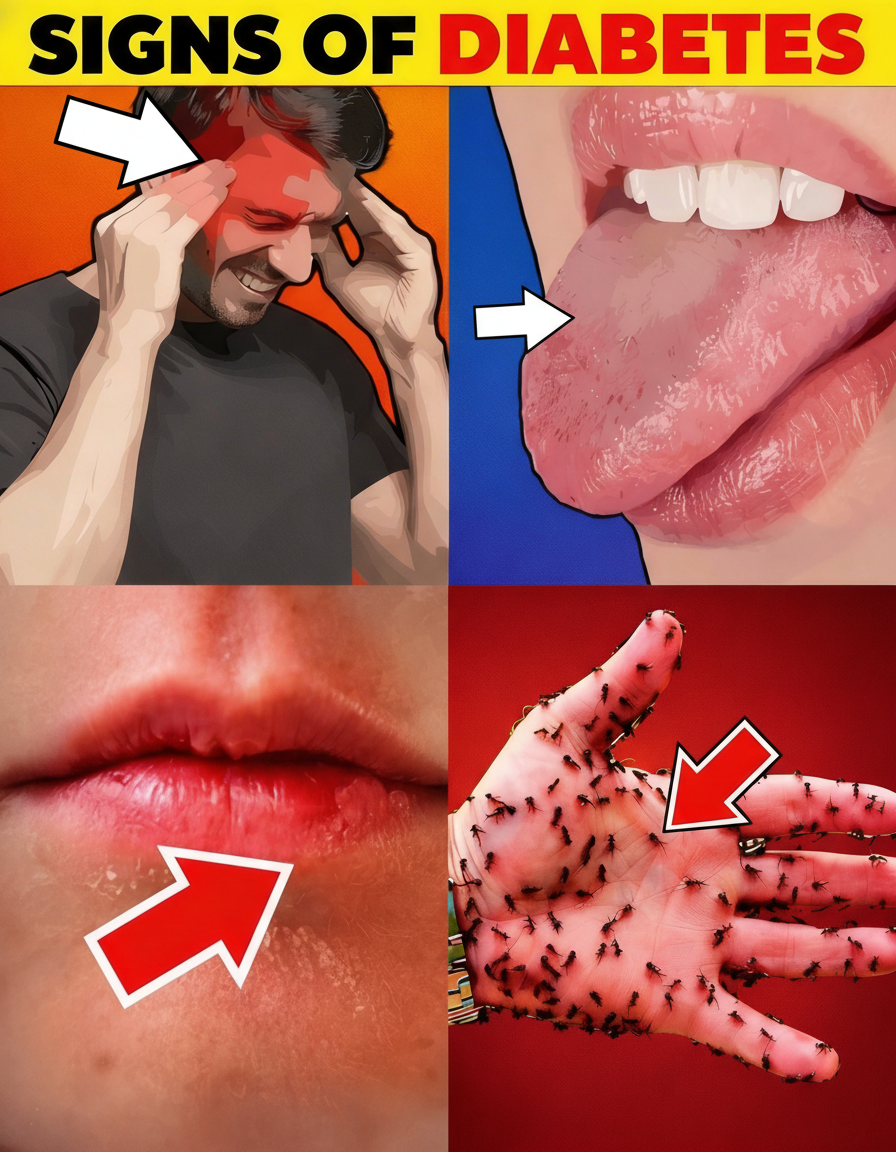
- Dry Mouth and Itchy Skin: Dehydration, a common consequence of high blood sugar, can manifest as a dry mouth and dry, itchy skin.
- Frequent Headaches: Swings in blood sugar levels can trigger recurrent headaches.
- Mood Swings and Irritability: Unstable glucose levels can impact brain function, leading to unexplained irritability, anxiety, or general mood changes.
- Sleep Disturbances: Frequent nighttime urination, discomfort, or other symptoms can severely disrupt sleep patterns.
- Reduced Sensation in Extremities: A progression from tingling, this can involve a noticeable decrease in the ability to feel pain, temperature, or touch in the hands and feet.
- Gum Disease: High blood sugar makes individuals more prone to gum inflammation, infections, and other periodontal issues.
- Brain Fog: Inconsistent energy supply to the brain due to fluctuating glucose levels can lead to difficulty concentrating, memory issues, and a general feeling of mental fogginess.
- Fruity Breath Odor: A rare but serious sign, a sweet or fruity smell on the breath can indicate diabetic ketoacidosis (DKA), a life-threatening condition where the body burns fat for fuel, producing ketones.
- Fluctuating Vision: Vision that occasionally improves or worsens, often linked directly to changes in blood sugar concentration.
- Family History of Diabetes: A genetic predisposition significantly increases your risk, making it crucial to pay closer attention to any potential diabetes symptoms.
🛡️ Immediate Steps If You Identify Potential Diabetes Signs
If you recognize several of these symptoms, don’t delay in taking proactive steps. Early intervention is key:
- Document Your Observations: Keep a detailed log of any symptoms you experience, noting their frequency, intensity, and any patterns you observe. This information will be invaluable for your healthcare provider.
- Consult Your Doctor: Schedule an appointment with your physician without delay. They can order simple, definitive blood tests, such as an A1C test or a fasting glucose test, to assess your blood sugar levels.
- Assess Your Risk Profile: Be prepared to discuss your personal risk factors, including your age, body weight, physical activity levels, dietary habits, and any family history of diabetes.
- Embrace Lifestyle Adjustments: Even before a diagnosis, adopting a healthier lifestyle can be beneficial. Prioritize balanced nutrition, incorporate regular physical activity into your routine, and practice effective stress management techniques.
- Adhere to Medical Advice: Should your doctor confirm a diagnosis or identify pre-diabetic conditions, it’s crucial to follow their medical guidance and treatment plan diligently.
📊 Diabetes Symptoms vs. Other Common Conditions
It’s important to differentiate potential diabetes symptoms from other conditions that might present similarly. This table offers a quick comparison:
| Symptom | Potential Diabetes Connection | Other Possible Explanations |
|---|---|---|
| Fatigue | Cells unable to effectively convert glucose into energy. | Chronic stress, inadequate sleep, anemia, thyroid issues. |
| Excessive Thirst/ Frequent Urination |
Kidneys working overtime to excrete high levels of glucose. | Dehydration, excessive caffeine or alcohol intake, diuretic medications, urinary tract infections. |
| Blurry Vision | Fluid shifts in the eye lenses due to fluctuating blood sugar. | Normal aging, eye strain, cataracts, refractive errors. |
| Slow Wound Healing | Impaired circulation and compromised immune response. | Nutritional deficiencies, certain medications, poor hygiene, other underlying health conditions. |
| Tingling/Numbness in Limbs | Early signs of nerve damage (neuropathy) from sustained high sugar. | Poor posture, vitamin B deficiencies, carpal tunnel syndrome, pinched nerves. |
Final Thoughts
Identifying these subtle diabetes symptoms should not be a cause for alarm, but rather an opportunity for empowerment through informed awareness. With prompt action, early diagnosis, and consistent professional guidance, many individuals effectively manage their condition and maintain a good quality of life. Your health is in your hands – listen to your body.
Frequently Asked Questions
- How many diabetes symptoms should I have before consulting a doctor?
If you notice two or more persistent and unexplained changes in your body, particularly if you have existing risk factors for diabetes, it’s highly advisable to discuss them with a healthcare professional. - Can these diabetes symptoms resolve on their own?
While some symptoms may fluctuate in intensity, the underlying imbalance causing them (high blood sugar) typically requires medical evaluation and management. Waiting for symptoms to disappear often delays necessary treatment. - Which groups are at a higher risk of overlooking diabetes symptoms?
Individuals over the age of 40, those with a family history of diabetes, people who are overweight or obese, and those with sedentary lifestyles are particularly susceptible to developing and potentially overlooking early diabetes signs.
Disclaimer: This article is intended solely for informational purposes and should not be considered a substitute for professional medical advice, diagnosis, or treatment. Always seek the advice of your qualified healthcare provider for any health concerns or before making any decisions related to your health or treatment.