 By admin
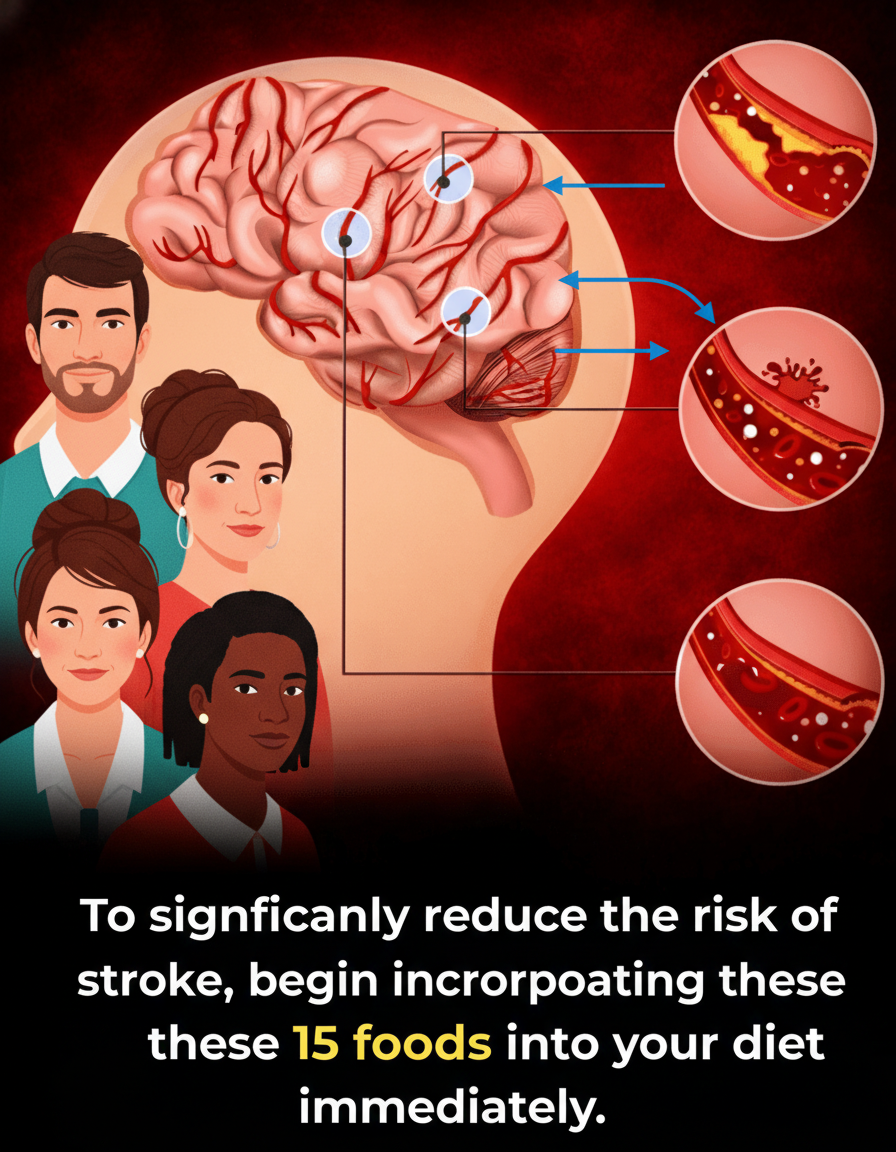
 Are you concerned about the silent, life-altering threat of a stroke, an event that can dramatically impact your ability to move, communicate, and cherish moments with family? The gradual accumulation of risk factors like elevated blood pressure, compromised circulation, and chronic inflammation can significantly heighten the likelihood of such a debilitating cerebrovascular event, presenting profound challenges for you and your loved ones. However, there’s empowering news: incorporating specific, nutrient-rich foods into your daily diet can offer substantial nutritional support for both cardiovascular and brain health, granting you a greater sense of control over your well-being. Scientific research has consistently highlighted a particular group of foods associated with remarkable reductions in stroke risk. Continue reading to discover all 15 of these vital ingredients and understand their profound impact.
🧠 Understanding Stroke and the Role of Diet in Risk Reduction
A stroke is a serious medical emergency that happens when the blood supply to part of your brain is cut off, leading to brain cell damage or death. The consequences can be devastating, impacting vital functions such as speech, motor skills, memory, and overall autonomy. There are primarily three categories of stroke: ischemic strokes, which result from blood clots obstructing arteries; hemorrhagic strokes, caused by ruptured blood vessels that lead to bleeding within the brain; and transient ischemic attacks (TIAs), often referred to as “mini-strokes,” which involve a temporary interruption of blood flow that resolves quickly but serve as crucial warning signs for future, more severe events.
Extensive scientific research consistently underscores the critical influence of dietary choices in mitigating key stroke risk factors, including hypertension (high blood pressure), elevated cholesterol, systemic inflammation, and issues with blood clotting. For instance, numerous studies examining the Mediterranean diet, which features many of the foods discussed in this article, have revealed significant reductions in stroke incidence. Embracing a diet rich in nutrient-dense foods represents a powerful, proactive strategy for stroke prevention and overall well-being.
🍃 15 Key Foods for Stroke Prevention, Backed by Research
The following foods are brimming with essential vitamins, beneficial fats, dietary fiber, and powerful antioxidants—all crucial components for bolstering vascular health and optimizing circulation. Here’s a closer look at why each deserves a place in your diet:
Leafy Greens (Spinach, Kale, Swiss Chard)
These vibrant greens are powerhouses of nutrients, rich in vitamin K, folate, and a spectrum of antioxidants. They play a vital role in blood pressure regulation and enhancing circulatory health – both fundamental for mitigating stroke risk. Research published in the American Journal of Clinical Nutrition, among others, consistently correlates increased consumption of leafy greens with a reduced incidence of stroke. Incorporating them regularly offers natural support for maintaining healthy blood pressure levels.
Fatty Fish (Salmon, Mackerel, Sardines)
Abundant in beneficial omega-3 fatty acids, these fish are instrumental in combating inflammation, decreasing triglyceride levels, and inhibiting the formation of harmful blood clots. Extensive reviews, including those featured in Circulation, highlight that consistent intake of fatty fish is strongly linked to a notable reduction in stroke risk. Their potent omega-3 content contributes significantly to overall cardiovascular well-being.
Berries (Blueberries, Strawberries, Blackberries)
Bursting with anthocyanins and other potent antioxidants, berries are crucial for safeguarding blood vessels and minimizing oxidative stress within the brain. Significant research, including studies conducted at Harvard, has identified robust connections between the flavonoid content in berries and a decreased risk of stroke, particularly in women. A daily serving offers a delightful way to potentially enhance brain and vascular health.
Extra Virgin Olive Oil
As a foundational element of the Mediterranean diet, extra virgin olive oil is a rich source of monounsaturated fats and powerful polyphenols. These components effectively contribute to lowering “bad” LDL cholesterol levels and reducing systemic inflammation. The landmark PREDIMED trial notably demonstrated a significant association between higher olive oil consumption and a substantial reduction in stroke risk. Integrating it into your meals, such as salad dressings or vegetable preparations, is an effortless way to reap its protective advantages.
Nuts (Almonds, Walnuts, Pistachios)
Nuts are packed with heart-healthy fats, vital minerals like magnesium, and vitamin E, all of which contribute to robust cardiovascular health and help mitigate inflammation. Long-term observational studies consistently indicate that individuals who regularly consume nuts exhibit lower incidences of stroke. A modest daily portion not only satisfies cravings but also delivers a concentrated dose of protective nutrients.
Avocados
These creamy fruits are an excellent source of potassium and monounsaturated fats, both crucial for supporting healthy blood pressure levels and safeguarding arterial integrity. Studies suggest that individuals who incorporate avocados into their diet often display improved markers of cardiovascular health, which are directly associated with a diminished stroke risk. Their versatility and satisfying texture make them a smart alternative to less healthy fat sources.
Carrots
Carrots are loaded with beta-carotene and other antioxidants, which are instrumental in promoting vascular health and minimizing oxidative damage within the body. Epidemiological studies have established a correlation between higher dietary intake of carotenoids and a reduced risk of stroke. Their naturally sweet flavor and satisfying crunch make them an effortless and beneficial addition to any meal.
Tomatoes
Tomatoes are a prime source of lycopene, a potent antioxidant that, according to Finnish research, has been specifically linked to a reduced risk of stroke, particularly in men. The bioavailability of lycopene is enhanced when tomatoes are cooked, making tomato-based sauces, soups, and stews excellent options for maximizing their protective benefits in your daily diet.
Garlic
Garlic is renowned for its natural compounds, such as allicin, which contribute to its abilities to naturally thin the blood, help lower cholesterol levels, and reduce blood pressure. Numerous scientific studies consistently affirm its significant cardiovascular benefits, positioning garlic as a valuable dietary addition for stroke prevention and overall heart health.
Whole Grains (Oats, Brown Rice, Quinoa)
Rich in fiber, whole grains help regulate cholesterol and blood sugar levels, both vital for heart health. They also contain magnesium, which supports healthy blood pressure. Studies indicate that a diet rich in whole grains is associated with a lower risk of cardiovascular diseases, including stroke. Swapping refined grains for whole grain options is a simple yet impactful dietary change.
Legumes (Lentils, Beans, Chickpeas)
Legumes are excellent sources of plant-based protein, fiber, and essential minerals like potassium and magnesium. Their high fiber content aids in managing cholesterol and blood pressure, while their nutrient profile contributes to overall vascular health. Regular consumption of legumes has been linked to a reduced risk of heart disease and stroke in various population studies.
Citrus Fruits (Oranges, Grapefruit, Lemons)
Loaded with vitamin C and flavonoids, citrus fruits offer powerful antioxidant and anti-inflammatory benefits. They can help improve blood vessel function and reduce blood pressure, particularly due to their potassium content. Research suggests that consistent intake of citrus fruits may contribute to a lower risk of stroke, especially ischemic strokes.
Dark Chocolate (High Cocoa Content)
When consumed in moderation, dark chocolate with a high cocoa content (70% or more) is rich in flavonoids and antioxidants. These compounds can improve blood flow, lower blood pressure, and reduce inflammation, all beneficial for cardiovascular health. Studies have shown an association between moderate dark chocolate consumption and a decreased risk of stroke.
Turmeric
This vibrant spice contains curcumin, a compound with potent anti-inflammatory and antioxidant properties. Curcumin has been studied for its potential to improve endothelial function (the lining of blood vessels) and reduce plaque buildup, thereby supporting cardiovascular health and potentially lowering stroke risk. Incorporating turmeric into cooking is an easy way to add this beneficial spice.
Green Tea
Green tea is packed with catechins, powerful antioxidants that have been shown to improve blood vessel function, reduce blood pressure, and lower cholesterol levels. Regular consumption of green tea has been associated with a significantly reduced risk of heart disease and stroke in numerous epidemiological studies, making it a simple, healthy beverage choice.
Incorporating these 15 nutrient-rich foods into your daily diet is a powerful and proactive step toward significantly reducing your risk of stroke. While diet is a cornerstone of prevention, remember to also consult with healthcare professionals for personalized advice, especially if you have existing health conditions. Embrace these delicious, health-promoting choices to nourish your brain, protect your heart, and live a healthier, more vibrant life.