 By admin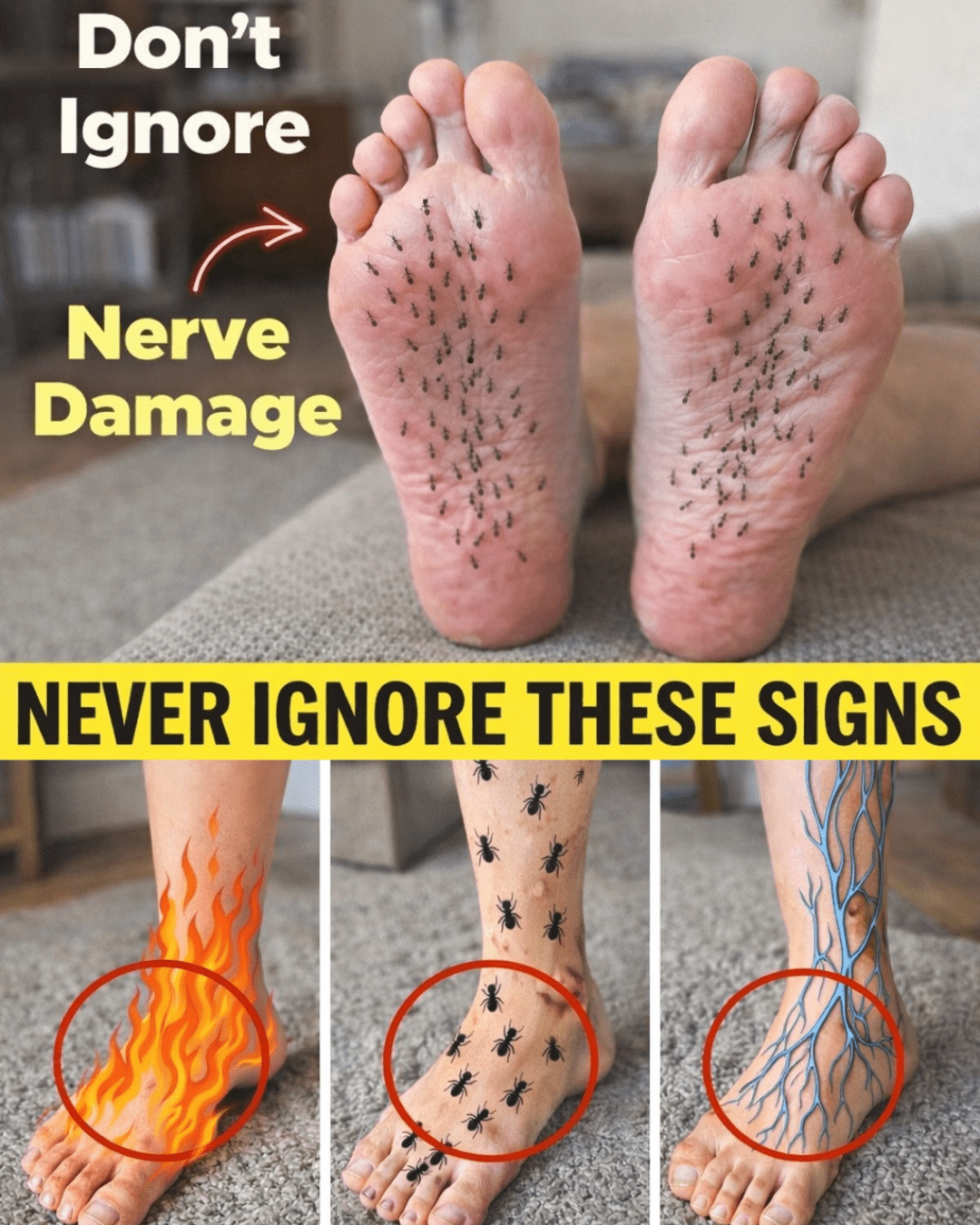
Peripheral neuropathy, a common type of nerve damage, affects millions of people, with estimates suggesting over 20 million Americans living with it, many undiagnosed for years according to major health organizations. You might brush off that strange tingling in your toes or the burning sensation in your hands as simple fatigue, poor circulation, or just part of getting older—but these subtle changes can signal something more serious brewing in your nervous system. When nerves that carry signals for sensation, movement, and automatic body functions become damaged from causes like diabetes, vitamin deficiencies, infections, or other factors, early recognition matters because prompt medical attention can help identify underlying issues and potentially slow progression.
What if those odd feelings you’ve been ignoring are your body’s way of asking for help before things worsen? In this article, we’ll explore 15 key early warning signs backed by medical insights, share why they often get overlooked, and offer practical steps to take next. Stick around—the most important insight on protecting your nerve health comes toward the end.

Why Nerve Damage Often Starts Quietly—and Why Spotting It Early Makes a Difference
Your peripheral nerves act like electrical wires, transmitting messages between your brain, spinal cord, and the rest of your body. When these nerves are damaged, signals can become distorted or lost, leading to a range of uncomfortable sensations and changes.
Research shows that peripheral neuropathy affects about 2-8% of adults, with higher rates in older populations or those with conditions like diabetes. Many people delay seeking help because symptoms feel vague, come and go, or seem minor at first. But here’s the reality: untreated nerve issues can progress to more noticeable problems like muscle weakness, balance difficulties, or even complications from unnoticed injuries.
The good news? Many causes are manageable when addressed early through medical evaluation, lifestyle adjustments, and targeted care.
But that’s not all—let’s dive into the signs that often appear first.
The Earliest Sensory Clues: What Your Body Might Be Trying to Tell You
Nerve damage frequently starts in the longest nerves, which reach your hands and feet, creating a classic “stocking-glove” pattern where symptoms begin distally and may spread.
1. Tingling or “Pins-and-Needles” Sensations
A prickling feeling, like your limbs are falling asleep, that comes and goes without obvious reason. This is one of the most reported early symptoms.

2. Numbness or Reduced Sensation
Areas in your feet or hands feel oddly numb, as if you’re wearing invisible socks or gloves. You might not notice temperature changes or minor injuries.
3. Burning or Shooting Pains
Sudden, sharp, electric-like jolts or a constant burning that feels like it’s coming from inside the skin—often worse at night.
4. Extreme Sensitivity to Touch (Allodynia)
Everyday contact, like bedsheets or clothing, causes discomfort or pain that wouldn’t normally bother you.
5. The “Tight Band” or Pressure Feeling
A squeezing sensation around your feet or hands, even when nothing is there.
These sensory changes are often the first whispers of trouble. But there’s more—the autonomic nervous system can be involved too.

Autonomic and Hidden Signs That Are Easy to Dismiss
Autonomic nerves control involuntary functions like sweating, digestion, and blood pressure. When affected, symptoms can feel unrelated at first.
6. Unusual Sweating Patterns
Too much sweating in some areas or too little in others, such as dry feet despite heat or excessive facial sweating at rest.
7. Trouble with Body Temperature Regulation
Hands and feet that feel unusually cold or overly warm without environmental cause.
8. Lightheadedness When Standing Up
A sudden drop in blood pressure causing dizziness or faintness upon rising (orthostatic hypotension).
9. Digestive Changes
Bloating, constipation, early fullness after meals, or other gut slowdowns due to affected nerves.
10. Bladder Control Issues
Difficulty fully emptying the bladder, frequent urges, or weak stream.
Here’s a quick comparison to help you see how these get mistaken for other issues:
- Sign → Common Nerve-Related Cause → Often Mistaken For → Why Early Attention Helps
- Tingling/Numbness → Sensory nerve irritation → Poor circulation or “sleeping” limb → Can indicate progressive change
- Burning Pain → Small-fiber damage → Muscle strain or arthritis → Points to active nerve involvement
- Lightheadedness → Autonomic dysfunction → Dehydration or low blood sugar → May signal blood pressure instability
- Digestive Slowdown → Gut nerve issues → Diet or stress → Could link to broader systemic factors

Motor and Functional Signs That Signal Progression
As nerve damage advances, motor nerves can be affected, leading to changes in strength and coordination.
11. Muscle Twitching or Cramps
Involuntary twitches (fasciculations) or frequent cramps without heavy exercise.
12. Balance or Coordination Problems
Feeling unsteady, especially with eyes closed, or stumbling more often.
13. Muscle Weakness
Grip strength fading or legs feeling heavy during routine activities.
14. Heightened Reflex Changes or Loss
Reflexes that seem diminished when tested (noted by a doctor).
15. Unnoticed Cuts or Slow-Healing Injuries
Minor wounds go unnoticed due to reduced sensation, leading to slower healing or infection risk.
Real-life examples show how paying attention early can help: Many people with reversible factors like vitamin B12 deficiency or prediabetes see improvement with timely evaluation and management.
Timeline: How Symptoms Might Progress—and When to Act
If ignored, early intermittent symptoms can become more constant over months to years.
- Weeks to Months — Occasional tingling or mild pain; track in a journal.
- 3-6 Months — Numbness spreads, weakness appears; consider seeing a healthcare provider.
- 6+ Months — Balance issues, chronic discomfort; seek prompt evaluation to help prevent complications like falls.
Practical Next Steps You Can Take Today
Start a simple symptom diary: Note the date, sensation, intensity (1-10), triggers, and duration. This helps spot patterns and provides valuable information for your doctor.
Monitor blood sugar if you have risk factors like prediabetes. Ensure adequate nutrition, especially B vitamins, through a balanced diet (consult a professional before supplements).
Most importantly, consult a healthcare provider if you notice multiple signs. They may recommend blood tests, nerve conduction studies, or other evaluations to identify potential causes.
Conclusion: Listen to Your Body Before It’s Too Late
Recognizing these 15 early warning signs of nerve damage isn’t about fear—it’s about empowerment. Acting on them early often leads to better outcomes through proper medical guidance.
You’ve made it to the end—great job staying engaged! Bookmark this page for reference, share it with someone who might benefit, and note any matching symptoms today.
FAQ
What is the most common cause of peripheral neuropathy?
Diabetes is a leading cause, but other factors like vitamin deficiencies, infections, autoimmune conditions, and certain medications can also contribute.
Can early nerve damage be reversed?
Some causes, when addressed promptly (such as nutritional deficiencies), may allow significant improvement or stabilization—always discuss with a healthcare provider.
When should I see a doctor for tingling in my hands or feet?
If symptoms persist, worsen, or come with other signs like weakness or balance issues, seek medical advice sooner rather than later.
Disclaimer: This article is for informational purposes only and is not a substitute for professional medical advice, diagnosis, or treatment. Always consult a qualified healthcare provider regarding any health concerns or before making changes to your care routine.