 By admin
 Many women, particularly those over the age of 35, often attribute minor bodily changes to the natural aging process, daily stress, or their demanding lifestyles. However, these seemingly insignificant signals can sometimes be crucial indicators of serious underlying health conditions, including certain types of cancer that develop quietly and without dramatic symptoms in their early stages. Research consistently highlights that paying close attention to persistent symptoms and seeking timely medical advice can dramatically improve health outcomes.
What if understanding these frequently dismissed clues could empower you to take proactive steps for your well-being? In this comprehensive article, we will delve into 14 common warning signs that demand your attention – backed by insights from leading health authorities – and provide practical guidance on how to manage your health effectively.
The Challenge of Early Detection: Why Women Overlook Subtle Cancer Signs
As women navigate their mid-30s and beyond, life responsibilities often intensify, encompassing careers, family, and a multitude of daily commitments. A 2023 women’s health survey, for example, revealed that a significant number of women tend to dismiss ongoing tiredness or mild discomfort, labeling them as merely “part of getting older” or stress-induced. Institutions like the American Cancer Society and Mayo Clinic consistently note that vague, persistent symptoms are frequently among the earliest indicators for various cancers, such as ovarian, breast, and colorectal cancer.
The critical point is that these signs rarely manifest loudly; instead, they often present as subtle whispers. Ignoring these signals for weeks or months can allow potential health issues to advance. Conversely, recognizing patterns and changes early on provides the power to act swiftly. The encouraging news is that simple habits, like monitoring your body for unusual or persistent changes, can help identify potential concerns before they escalate.
14 Subtle Warning Signs Every Woman Should Know
Your body communicates through nuanced shifts. Here are 14 symptoms that health experts, including those from MD Anderson Cancer Center and UCSF Health, strongly advise women not to disregard if they persist:
1. Persistent Bloating
Experiencing abdominal bloating for several weeks that doesn’t resolve or has no obvious cause, such as dietary changes, warrants attention. This isn’t just about feeling full after a meal; it’s a persistent distention. Medical professionals frequently associate ongoing abdominal swelling with potential issues like ovarian cancer or other gastrointestinal concerns.
2. Unexplained Fatigue
Constant, overwhelming exhaustion that fails to improve with adequate rest or sleep is distinct from typical tiredness. Studies indicate that such persistent fatigue can be a symptom in various undiagnosed conditions, including certain blood cancers or early signs of breast cancer. If fatigue significantly impacts your daily life, it’s time to investigate.
3. Abnormal Vaginal Bleeding
Any irregular spotting, unusually heavy periods, bleeding between menstrual cycles, or any form of postmenopausal bleeding requires immediate medical assessment. Organizations like the Mayo Clinic emphasize this as a crucial red flag for potential cervical or endometrial concerns.
4. Unexplained Weight Loss
Losing a significant amount of weight (e.g., 10 pounds or more) without making any conscious efforts to diet or increase physical activity can signal underlying health changes. Johns Hopkins Medicine lists this among the top early indicators that should prompt a discussion with your doctor.
5. Persistent Pain
Ongoing aches or discomfort in the pelvis, back, or abdomen that linger for an extended period without a clear explanation should be evaluated. This can include persistent pelvic pressure, which is often discussed in relation to ovarian health.
6. Changes in Bowel Habits
Prolonged constipation, persistent diarrhea, or a noticeable narrowing of stools that lasts for several weeks could indicate colorectal issues, as advised by Cancer Research UK guidelines. Any significant and lasting change deserves medical scrutiny.
7. Chronic Heartburn or Indigestion
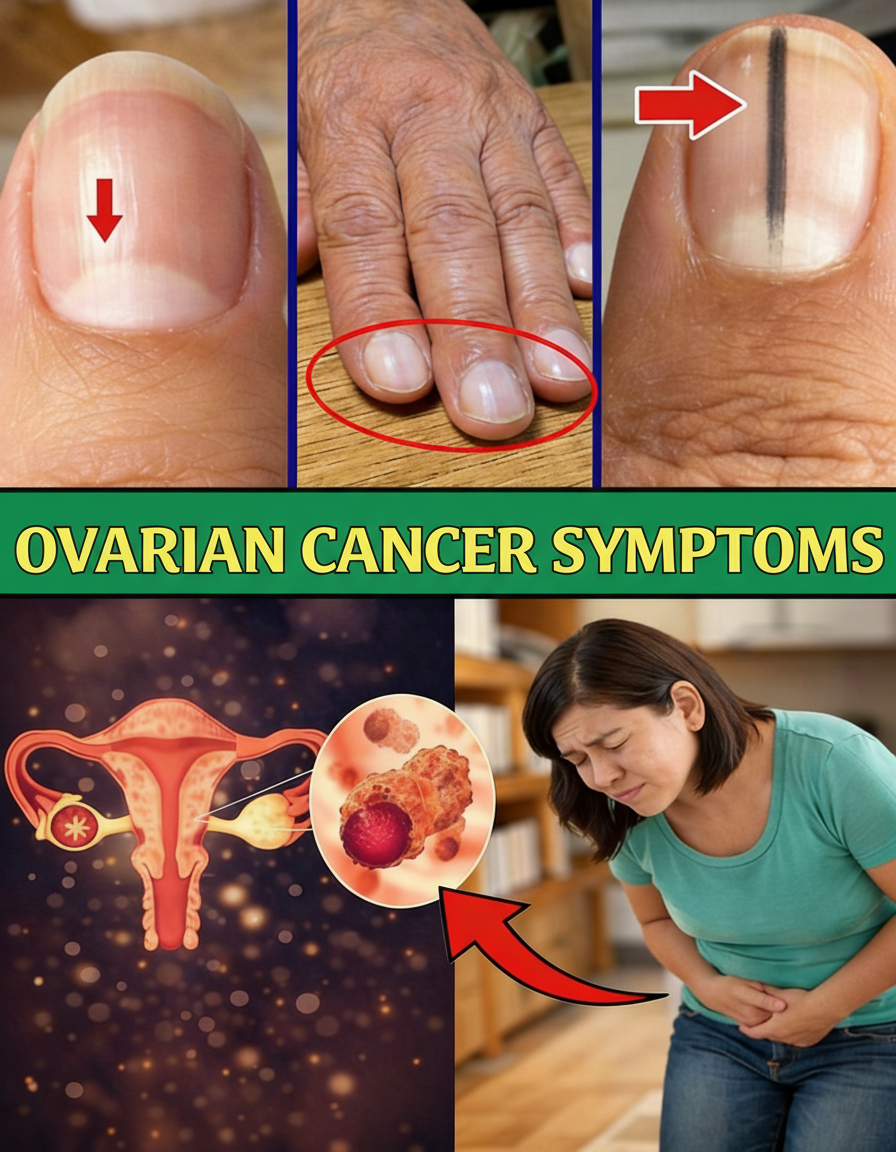
Frequent burning sensations in the chest or upper abdomen that do not subside with over-the-counter antacids or persist over time might point to problems with the esophagus or stomach. While often benign, chronic symptoms warrant a check-up.
8. Skin Changes
The appearance of new moles, changes in existing moles (size, shape, color, border), sores that do not heal, or unusual skin patches require professional examination. Dermatology experts highlight these as potential indicators of skin cancer or other related conditions.
9. Difficulty Swallowing
If food consistently feels stuck, or if you experience painful swallowing over a period of time, these symptoms can indicate issues with the throat or esophagus. Early evaluation is key to identifying the cause.
10. Persistent Cough
A cough that lasts for more than a few weeks, especially if it’s dry, accompanied by shortness of breath, or if you notice other respiratory changes, is a common concern in discussions about lung health. It should be investigated by a doctor.
11. Breast Changes
Any new lumps, dimpling of the skin, redness or thickening, nipple discharge (that isn’t breast milk), or alterations in the shape or size of the breast should prompt an immediate medical visit. Organizations like WebMD and breast cancer awareness groups strongly emphasize self-awareness and prompt action here.
12. Night Sweats
Drenching sweats at night, particularly if they are excessive and occur beyond typical menopausal experiences, are sometimes discussed in the context of certain lymphomas or other systemic conditions. If you’re experiencing severe night sweats, consult a doctor.
13. Loss of Appetite
Feeling full very quickly after eating only a small amount of food, or a reduced interest in food for no apparent reason, can be subtle signals related to ovarian or gastrointestinal health. Persistent changes in appetite should be discussed with a healthcare provider.
14. Swollen Lymph Nodes
Enlarged lymph nodes in areas such as the neck, armpit, or groin that persist for weeks without a clear underlying infection warrant medical review. While often benign, persistent swelling can sometimes indicate more serious conditions.
It is crucial to remember that many of these symptoms can overlap with various non-cancerous health conditions. This is precisely why professional medical evaluation is absolutely essential for an accurate diagnosis.
Quick Reference: When to Act on These Signs
Here’s a simplified overview to help you prioritize when to seek medical advice for persistent symptoms:
| Symptom | Potential Concern Area | Action Timeline |
|---|---|---|
| Persistent Bloating | Ovarian/Gastrointestinal | Monitor for 2+ weeks; see doctor if ongoing |
| Unexplained Fatigue | Various (e.g., blood-related, breast) | Consult if rest doesn’t help or it’s debilitating |
| Abnormal Vaginal Bleeding | Cervical/Endometrial | Prompt medical attention |
| Unexplained Weight Loss | Various (e.g., GI, metabolic) | See doctor immediately if 10+ lbs lost without trying |
| Persistent Pain | Pelvic, abdominal, back (e.g., ovarian) | Consult if pain lingers for weeks without cause |
| Changes in Bowel Habits | Colorectal | See doctor if changes persist for more than a few weeks |
| Chronic Heartburn/Indigestion | Esophageal/Stomach | Consult if frequent and not relieved by antacids |
| Skin Changes | Skin cancer/related issues | Prompt check for new/changing moles, non-healing sores |
| Difficulty Swallowing | Throat/Esophageal | Consult if persistent or painful |
| Persistent Cough | Lung/Respiratory | See doctor if cough lasts more than 3-4 weeks |
| Breast Changes | Breast cancer | Immediate medical visit for any lumps, discharge, or changes |
| Night Sweats | Lymphoma/systemic issues | Consult if drenching and beyond typical experiences |
| Loss of Appetite | Ovarian/Gastrointestinal | See doctor if persistent and unexplained |
| Swollen Lymph Nodes | Various (e.g., infection, lymphoma) | Consult if persistent without obvious infection |
Ultimately, your body is your best advocate. While this list provides essential information, it is not a substitute for professional medical advice. If you experience any of these symptoms persistently or notice any unusual changes in your health, do not hesitate to schedule an appointment with your healthcare provider. Early detection can be a powerful tool in managing and treating cancer effectively.